
Smoked Meatloaf: A Juicy, Cheesy Comfort-Food Upgrade for the Smoker
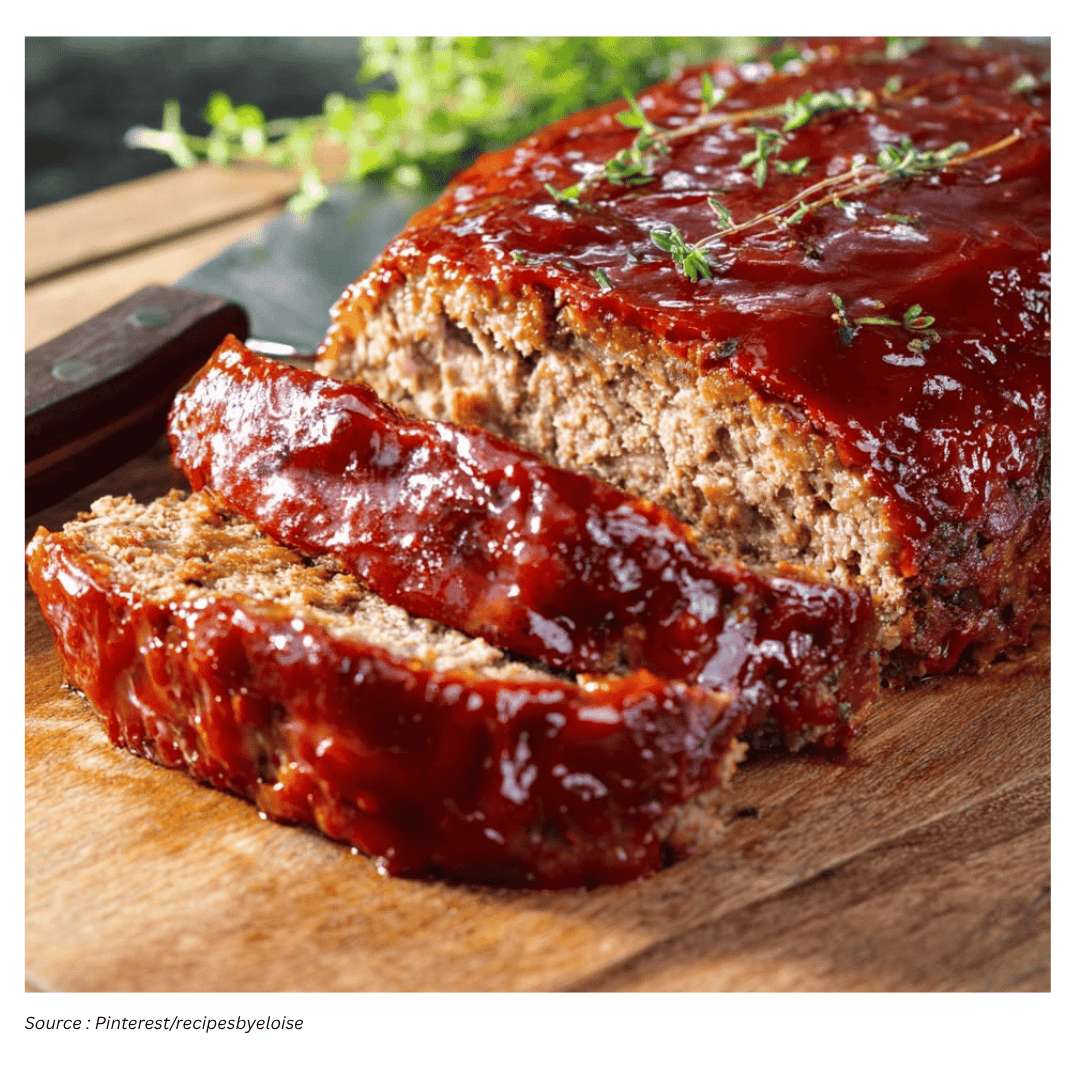
A classic meatloaf, reimagined for the smoker
Meatloaf has long been a reliable comfort-food staple: hearty, familiar, and built for family dinners. Smoking it, however, changes the experience entirely. A smoked meatloaf aims for the same satisfying sliceability you expect from the classic, but with a richer aroma and a deeper flavor that comes from low-and-slow cooking in a steady stream of smoke. The result is a loaf that’s described as tender, juicy, and cheesy—still comfort food at its core, yet noticeably elevated.
This style of meatloaf fits naturally into backyard cooking. It’s the kind of dish that works for a casual barbecue as easily as it does for a weeknight dinner where you want something substantial. The guiding idea is simple: take a prototypical dish and make it more interesting by layering in smoky flavor and a gentle, slow cook that helps keep the interior moist.
What makes smoked meatloaf different
Traditional meatloaf is typically baked in an oven, where heat surrounds the loaf and the exterior browns quickly. In a smoker, the cooking environment is lower in temperature and often more humid, with smoke circulating around the meat as it gradually comes up to temperature. That slower pace is one reason smoked meatloaf is often described as especially juicy. It’s also why the final flavor can feel like a step beyond the standard version: the smoke becomes part of the seasoning.
Another difference is the crust. Many smoked meatloaf recipes incorporate a glaze—often a barbecue sauce—brushed on during the cook. While it’s not required, the glaze can create a caramelized finish that contrasts with the tender interior. In other words, it’s not just about smoke; it’s also about building layers: savory meat, creamy richness from cheese, and a sweet-tangy top coat if you choose to add one.
Core method: mix, shape, smoke, and glaze
The process is straightforward and approachable, even if you’re new to smoking. The key steps are mixing the ingredients, shaping the loaf, and smoking it at a steady 225°F until the internal temperature reaches 165°F. Along the way, you can baste with barbecue sauce to build that glossy, flavorful exterior.
- Mix: Combine the ingredients in a large bowl until evenly distributed.
- Keep the meat cold: A practical tip is to keep the meat cold until the loaf is formed. If it warms too much, the fat can become soft and sticky, making the mixture harder to handle.
- Smoke: Place the meatloaf in the smoker at 225°F and cook until it reaches an internal temperature of 165°F.
- Baste (optional but popular): Brush on barbecue sauce every hour to enhance flavor and help form a caramelized crust.
While the method is simple, the details matter. Temperature control, timing, and the thickness of the loaf all play a role in how quickly it cooks and how moist it stays.
Timing: how long smoked meatloaf takes
At 225°F, smoked meatloaf typically takes about 3 to 4 hours to reach the target internal temperature of 165°F. That said, the exact time can vary. The thickness of the loaf is a major factor: a thicker loaf takes longer for heat to reach the center. Smoker type can also influence cooking time, since airflow and heat retention differ from one setup to another.
Because timing can vary, the most reliable approach is to cook to temperature rather than to the clock. A meat thermometer is the best tool for getting the result you want—fully cooked, but not dried out. The goal is to hit 165°F in the center and pull it at the right moment, rather than leaving it in “just in case” and risking a drier texture.
Temperature targets and why 165°F matters
The stated endpoint for this smoked meatloaf is 165°F internal temperature. Reaching that number is the clearest sign that the loaf is cooked through. It also provides a consistent benchmark regardless of smoker model or outdoor conditions. In practice, checking the temperature is also a way to protect texture: once you hit the target, you can stop the cook before the meat continues to lose moisture.
If there’s one piece of equipment that makes smoked meatloaf easier to nail, it’s a thermometer. It removes guesswork and helps you avoid the two most common disappointments: slicing too early into an undercooked center or smoking too long and ending up with a dry loaf.
Choosing wood: hickory, oak, or applewood
Wood choice shapes the character of the smoke. For meatloaf, three options are highlighted as especially good fits: hickory, oak, and applewood. Each brings a different intensity and profile.
- Hickory: A strong, classic barbecue flavor that reads as bold and unmistakably smoky.
- Oak: Balanced smokiness that tends to be steady and versatile.
- Applewood: Mild and slightly sweet, a profile that pairs well with beef and pork.
If you want the smoke to be a prominent feature, hickory leans in that direction. If you’re aiming for a more even, middle-of-the-road smokiness, oak is a dependable choice. And if you prefer a gentler smoke that still adds depth—especially when paired with a sweet-tangy glaze—applewood offers a softer approach.
Glazing with BBQ sauce: optional, but impactful
A barbecue glaze isn’t mandatory, but it’s frequently recommended because it adds more than just flavor. Brushing on BBQ sauce during the cook can enhance the taste and help create a caramelized crust. That crust becomes a textural highlight: sticky and glossy on the outside, tender and juicy inside.
One suggested approach is to baste with BBQ sauce every hour. This repeated basting builds layers, allowing the sauce to set gradually rather than simply coating the loaf at the end. The end result is a sweet, tangy finish that complements the savory meat and the smoky background.
Make-ahead flexibility and reheating
Smoked meatloaf is also practical from a planning standpoint. You can prepare and shape the loaf up to 24 hours in advance, then store it in the refrigerator until you’re ready to smoke it the next day. This can be especially helpful if you want to streamline a gathering or simply reduce prep time on the day you plan to cook.
Leftovers are manageable, too. Smoked meatloaf reheats well: wrap it in foil and warm it in the oven at 300°F until heated through. The foil helps protect moisture during reheating, which is important for maintaining that tender, juicy texture the dish is known for.
Serving ideas: sides that match the smoky richness
Because smoked meatloaf is rich and smoky, the best side dishes tend to either lean into comfort-food creaminess or add a contrasting freshness. Pairing is about balance: you can complement the savory depth with smooth, buttery sides, or lighten the plate with vegetables that bring sweetness and texture.
Here are side options that are specifically recommended as strong matches:
- Mac and cheese variations: Three cheese mac and cheese, four cheese mac and cheese, or smoked mac and cheese for a creamy, crowd-pleasing pairing.
- Mashed potatoes: Cream cheese mashed potatoes for a smooth, buttery counterpoint.
- Vegetables: Smoked asparagus, roasted carrots and green beans, or maple roasted carrots for freshness and a slightly sweet note.
- Hearty classics: Smoked baked potatoes for a familiar, filling side.
- Southern-inspired sweetness: Sweet corn pudding to add a soft, sweet complement to the savory meat.
These sides can also help you tailor the meal to the occasion. For a backyard barbecue, smoked baked potatoes and a vegetable side keep things casual and hearty. For a family dinner, mashed potatoes and a roasted vegetable can make the plate feel more traditional. And for a comfort-food spread, mac and cheese alongside the smoked meatloaf creates a rich, satisfying combination.
Practical tips for better texture and easier handling
Small handling choices can make a noticeable difference. One of the most useful tips is to keep the meat cold until the loaf is formed. If the mixture warms up too much while you’re mixing and shaping, the fat can soften and become sticky, which makes it harder to work with and can leave the mixture clinging to your hands. Starting cold keeps the process cleaner and more controlled.
Another practical point is to rely on internal temperature rather than appearance. Smoke can darken the exterior and glaze can deepen color, so the surface isn’t always a reliable indicator of doneness. A thermometer keeps the cook consistent and helps you pull the meatloaf at the moment it’s properly cooked.
Why this version wins over skeptics
Meatloaf can be divisive, often because people associate it with dry texture or muted flavor. Smoking addresses both issues in a direct way: low-and-slow cooking helps protect moisture, while the smoke adds a bold layer of flavor that makes the dish taste more dynamic. Add in the cheesy element and an optional barbecue glaze, and the result is a meatloaf designed to feel anything but ordinary.
It’s also a reminder of what smoking can do for familiar recipes. When you apply smoke to a classic dish, you’re not just changing the cooking method—you’re changing the overall personality of the food. In this case, the end goal is a smoked meatloaf that’s tender, juicy, cheesy, and packed with smoky flavor, suitable for everything from a relaxed backyard cook to a satisfying family meal.
At-a-glance checklist
- Smoke at 225°F.
- Plan for about 3–4 hours, depending on loaf thickness and smoker type.
- Cook to an internal temperature of 165°F.
- Consider basting with BBQ sauce every hour for a caramelized crust.
- Use hickory, oak, or applewood depending on your preferred smoke intensity.
- Make ahead: shape up to 24 hours in advance and refrigerate.
- Reheat: wrap in foil and warm at 300°F until heated through.
With these basics in place, smoked meatloaf becomes a repeatable, dependable smoker recipe—one that keeps the comfort-food appeal of the original while delivering a more pronounced, barbecue-ready flavor.