
Beef Carbonara: A Hearty Twist on a Classic Egg-and-Cheese Pasta
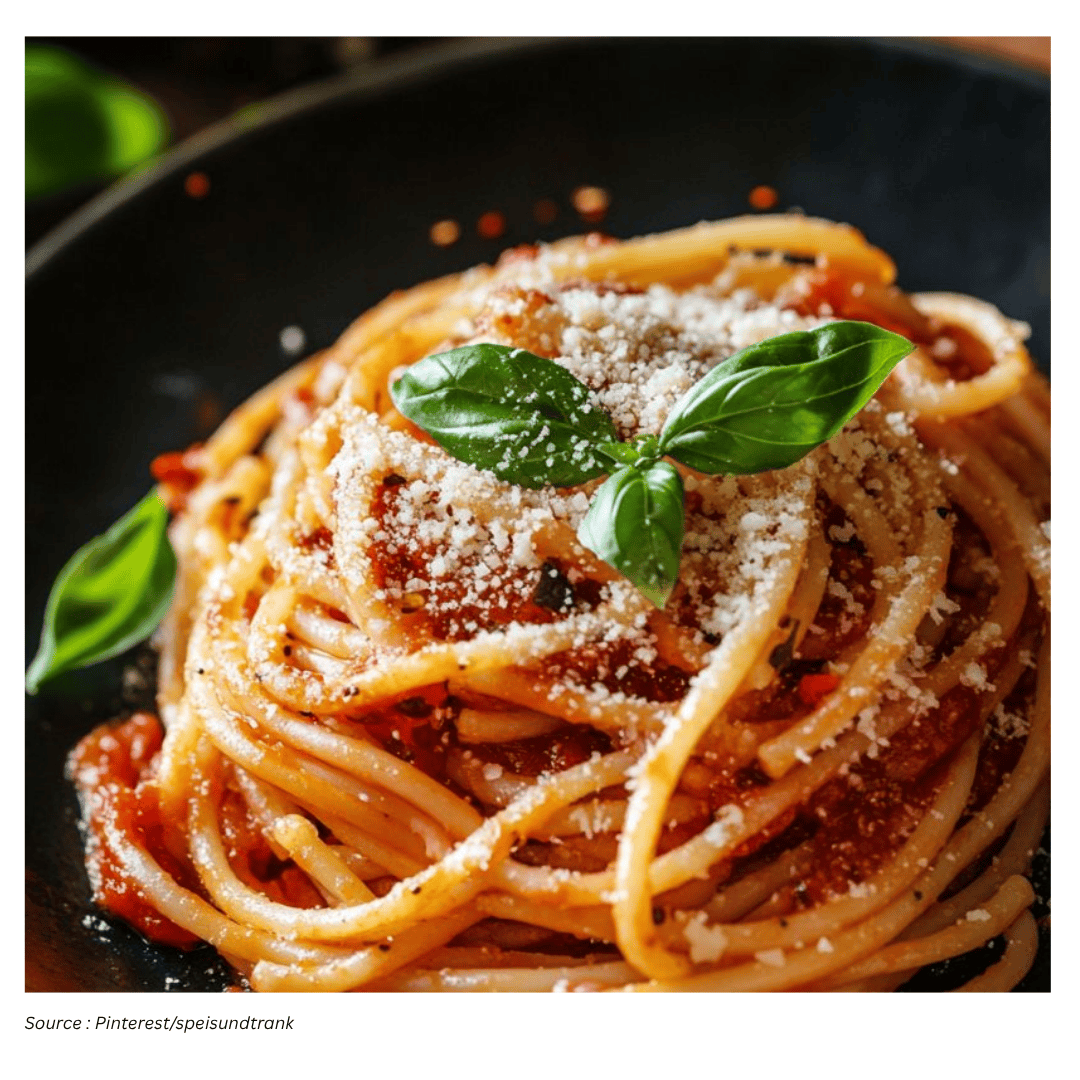
A comforting carbonara idea for beef lovers
Carbonara has a reputation for feeling both simple and luxurious at the same time. At its core, it’s a pasta dish built on a few essentials: hot pasta, eggs, cheese, and just enough reserved pasta water to turn those ingredients into a smooth, glossy sauce. There’s no need for complicated steps or a long ingredient list to make it feel special.
This version—beef carbonara—keeps the classic technique but changes the personality of the dish by using seasoned ground beef. The result is creamy and savory, with a hearty twist that fits right into an easy weeknight dinner routine. If you love pasta dishes in general, carbonara is often the one that wins people over because the sauce is rich without relying on heavy additions. This beef-forward approach offers a different kind of comfort while still delivering that signature carbonara-style finish.
What makes this “carbonara” (and what it doesn’t include)
One of the most common points of confusion around carbonara is whether it contains cream. In traditional carbonara, the creamy texture comes from eggs and cheese emulsified with hot pasta water. That’s also the approach here. The sauce is egg-based, and the pasta water is used strategically to help the mixture coat the noodles in a silky layer.
Because the sauce is built from eggs and cheese, temperature control and timing matter. The goal is to warm the egg mixture just enough to thicken into a sauce—without turning it into scrambled eggs. That’s why the process emphasizes moving quickly and using pasta water gradually to reach the consistency you want.
The key components of beef carbonara
Even though the full ingredient list is typically laid out in a recipe card, the method itself tells you what the dish depends on. Beef carbonara is essentially three parts that come together at the end:
- The beef base: ground beef cooked with onion, with garlic added briefly at the end for aroma and flavor.
- The carbonara-style sauce: whisked eggs combined with cheese, loosened with reserved pasta water.
- The pasta: cooked until hot and ready to be tossed immediately so the sauce turns creamy.
That structure is what makes the dish flexible and practical. You can prepare the components in parallel—boil the pasta while browning the beef—then bring everything together quickly while the pasta is still hot.
Step-by-step method: how the dish comes together
The technique is straightforward, but carbonara rewards attention to the order of operations. Here’s the process, broken down in a way that highlights why each step matters.
1) Brown the ground beef and onion
Start by heating olive oil in a large skillet over medium heat. Add the ground beef and onion, cooking until the beef is browned. This typically takes about 7–10 minutes. As it cooks, break the beef into small pieces so it distributes evenly throughout the pasta later.
If you notice excess grease in the skillet once the beef is browned, drain it. This helps keep the final dish rich but not heavy, and it allows the egg-and-cheese sauce to cling to the pasta without being diluted by too much fat.
2) Add garlic briefly for freshness
Stir in the garlic for the last 30 seconds of cooking. Garlic can turn bitter if it’s cooked too long at this stage, so a quick finish is enough to release its flavor without overpowering the dish.
3) Whisk the eggs until smooth
While the beef cooks—or just after—prepare the sauce base. In a bowl, whisk the eggs until smooth. This step is more important than it looks: thoroughly whisked eggs are less likely to cook unevenly when they hit the hot pasta, and they blend more seamlessly with the cheese.
4) Add cheese to the eggs
Once the eggs are smooth, add the cheese and mix. This creates the foundation of the carbonara-style sauce. The cheese contributes saltiness and body, while the eggs provide richness and the ability to thicken into a velvety coating.
5) Loosen the mixture with reserved pasta water
Mix in about ¼ cup of reserved pasta water. This small amount starts the emulsification process before the sauce even touches the pasta. Pasta water is starchy, and that starch helps the egg-and-cheese mixture turn into a cohesive sauce rather than a clump of cooked egg.
Keep additional pasta water on hand. You may want more later depending on how thick you like the sauce and how quickly it tightens as it meets the hot pasta.
6) Toss the hot pasta with the egg mixture—quickly
Now comes the defining carbonara moment. Toss the hot pasta with the egg mixture, adding more pasta water if needed to reach a creamy consistency. The pasta should be hot enough to gently cook the eggs, but the motion and the added water help prevent the eggs from setting too fast.
A practical tip: work quickly when mixing pasta with the egg and cheese mixture to prevent scrambling. This is the part where carbonara can go wrong if you hesitate. Have everything ready—beef cooked, eggs whisked, pasta drained (with water reserved)—so you can combine without delays.
7) Fold in the beef mixture and serve immediately
Once the pasta is coated in the sauce, fold in the ground beef mixture and serve right away. Carbonara-style sauces are at their best when they’re freshly made: glossy, creamy, and clinging to the pasta. Waiting too long can cause the sauce to tighten or lose its silky texture.
How to avoid scrambled eggs in carbonara-style pasta
The biggest concern for many home cooks is the eggs. The good news is that a few simple habits make success much more likely.
- Start with room-temperature eggs: Room-temperature eggs are less likely to seize when they meet hot pasta.
- Whisk until completely smooth: A uniform egg mixture cooks more evenly and blends better with cheese.
- Work off the heat if needed: You can toss the eggs with cooked spaghetti off the heat, which reduces the risk of scrambling.
- Use warm pasta water gradually: Adding warm pasta water a little at a time helps create a silky sauce and gives you control over texture.
- Move quickly: The sauce comes together fast; speed and preparation matter more than complicated technique.
Another approach some cooks find helpful is to add hot pasta to a bowl of beaten eggs rather than pouring eggs into a hot pan. Either way, the principle is the same: combine hot pasta, eggs, cheese, and pasta water in a way that encourages a creamy emulsion instead of curds.
Pasta choices that work well for beef carbonara
Carbonara-style sauces cling best to pasta shapes that can hold onto the coating. Long, thick pasta is often recommended because it gives the sauce plenty of surface area to wrap around. Options that work particularly well include spaghetti, rigatoni, or fettuccine.
The goal is to choose a noodle that feels substantial enough to match the richness of the egg-and-cheese sauce and the heartiness of ground beef. Whatever shape you use, the most important factor is that the pasta is hot when you toss it with the sauce mixture.
Make-ahead strategy: what you can prep (and what you shouldn’t)
Beef carbonara is best served immediately, when the sauce is at its smoothest. That said, you can still make the process easier by preparing elements ahead of time.
For optimal texture, prep the beef and pasta separately and combine just before serving. Cooking the beef mixture in advance can save time, especially on busy nights. The pasta, however, is most effective at creating the sauce when it’s freshly cooked and still hot, because that heat is what gently thickens the eggs.
If you do prep components, think in terms of staging: have the beef ready, have your eggs and cheese measured and ready to whisk, and cook the pasta right before you plan to eat.
Reheating leftovers without breaking the sauce
Carbonara-style sauces can be delicate when reheated because eggs can continue to cook and tighten. If you have leftovers, the best approach is gentle heat and a little added liquid to bring back creaminess.
Reheat creamy beef pasta over low heat on the stovetop or in the microwave, adding a splash of pasta water or milk to keep the sauce creamy. Stir frequently and heat slowly to prevent the eggs from scrambling. The added liquid helps loosen the sauce so it returns to a smoother texture rather than clumping.
Why ground beef works especially well here
Classic carbonara is often associated with cured pork, but using ground beef changes the dish in a way that feels familiar and approachable. Browning ground beef with onion builds a savory base, and folding it into the finished pasta makes the meal feel more substantial without changing the carbonara technique itself.
It’s also a practical choice: ground beef cooks quickly, is easy to break into bite-size pieces, and distributes evenly throughout the pasta so you get a bit of beef in most forkfuls. Paired with the silky egg-and-cheese sauce, it creates a rich, satisfying bowl that still feels rooted in the carbonara style of cooking.
Serving notes: timing and texture
The final moments—tossing the pasta with the egg mixture and then folding in the beef—are what define the dish. Serve immediately for the best texture. That’s when the sauce is glossy and creamy, and the pasta is coated evenly.
If the sauce looks too thick as you toss, add a little more reserved pasta water. If you prefer a looser, more flowing sauce, keep adjusting with small splashes until it looks the way you want. Because the sauce is egg-based, it can tighten as it sits, which is another reason serving right away makes a noticeable difference.
A weeknight-friendly carbonara with a hearty twist
Beef carbonara delivers what many people love about carbonara—richness, simplicity, and that silky sauce—while adding the comfort of seasoned ground beef. It’s a dish that feels special enough for a relaxed dinner at home but straightforward enough to make on a busy evening.
With a hot pot of pasta, a quick skillet of browned beef and onion, and a bowl of whisked eggs and cheese, the meal comes together fast. The key is respecting the timing: reserve pasta water, mix quickly, and use gentle heat so the sauce stays creamy. Do that, and you’ll end up with a satisfying pasta dish that’s likely to earn a spot in your regular rotation.