
The Viral Two-Ingredient “Japanese Cheesecake” You Can Make with Yogurt and Biscoff
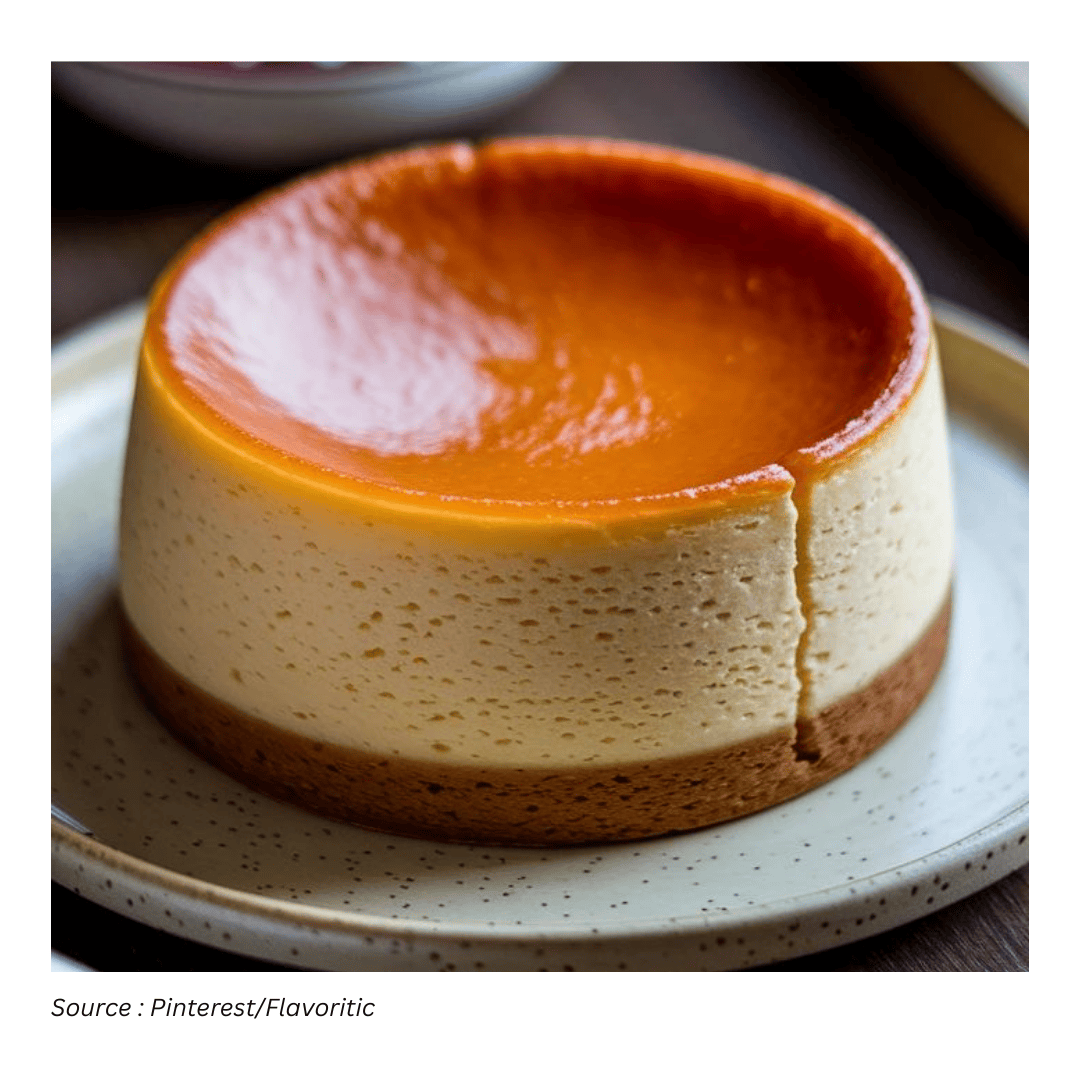
A social media trend that’s surprisingly worth trying
Some of the internet’s most enduring food ideas share a common trait: they’re low-effort, low-stress, and easy to repeat. When a recipe doesn’t demand special tools, a long ingredient list, or careful technique, it has a better chance of becoming part of real life rather than a one-time experiment. That’s part of why certain viral dishes stick around—because they work on busy weeknights, they fit into routines, and they still feel like a small treat.
The latest trend to earn that kind of attention is a “two-ingredient Japanese cheesecake” made with nothing more than yogurt and Biscoff cookies. It’s been circulating widely on social media, and it’s notable for what it doesn’t require: no baking, no stovetop, no mixer, and no detailed recipe. The method is more like an assembly trick than traditional baking—yet the result is creamy, tangy, and rich enough to remind many people of cheesecake.
It’s also easy to make ahead, which is why it’s being framed not only as a dessert but also as a breakfast option. Yogurt brings protein and a natural tang, while the cookies contribute sweetness, spice, and a crust-like flavor once they soften. The combination doesn’t replicate classic cheesecake exactly, but it lands close enough to satisfy the craving—especially when you choose the right ingredients and ratios.
Why it’s called “Japanese cheesecake” (and what it isn’t)
The name can be confusing. Japan is known for light, soufflé-style cheesecakes, and this trend doesn’t resemble those airy, baked cakes in texture or technique. Instead, the “Japanese” label points to where the social media idea took off: home cooks in Japan shared a simple approach using sablé cookies and yogurt to create a two-ingredient dish that tastes like cheesecake.
As the trend traveled, American versions leaned into Biscoff cookies for their caramelized, spiced profile. That choice helps push the flavor in a direction that feels familiar to anyone who associates cheesecake with a buttery crust and a rich, sweet base. The end result is less like a baked cake and more like a chilled, spoonable dessert—closer in spirit to a no-bake cheesecake filling paired with softened cookie layers.
The two ingredients—and why your choices matter
Because the recipe is so minimal, the quality and style of each ingredient makes a noticeable difference. The basic formula is simple: insert cookies into a container of yogurt and let time do the work. But the details determine whether you end up with a pleasantly cheesecake-adjacent treat or something that tastes like plain yogurt with a few soggy crumbs.
- Cookies: You can use any cookie that’s crispy, crumbly, and buttery. The original versions focused on sablé-style biscuits. Biscoff is popular because its browned-butter character and warm spice notes come closest to the flavor many people expect from an American cheesecake crust.
- Yogurt: Choose a thick yogurt, such as Greek yogurt or Icelandic skyr. These tend to be tangier, which helps mimic the cream cheese-like bite associated with cheesecake.
Both plain and flavored yogurts can work, as long as the flavor complements the cookie. Vanilla is an easy match with Biscoff’s caramelized spice. The key is thickness: a thinner yogurt can make the final texture less satisfying, while a thicker one helps the mixture feel creamy and substantial.
Some creators have used blended cottage cheese instead of yogurt, but that adds effort (you have to blend it) and cottage cheese can be salty. If the goal is a simple two-ingredient method with a clean, cheesecake-like tang, thick yogurt is the more straightforward choice.
Cookie options: Biscoff, graham crackers, and a note on sandwich cookies
Biscoff cookies are the signature choice in many versions of this trend, but they’re not the only option. If you can’t find the classic cookies, graham crackers can stand in. The overall concept—crisp cookie plus thick yogurt—still works, and graham crackers naturally evoke cheesecake crust.
Another alternative is Biscoff sandwich cookies, which include a layer of cookie butter. These can work well, but they change the texture slightly: you may end up with firmer chunks of cookie butter throughout the mixture. Some people will love that effect; others may prefer the smoother consistency you get with plain cookies.
Whichever cookie you pick, aim for something that can soften into a spoonable texture while still contributing flavor. The cookies are doing more than adding sweetness—they’re responsible for the “crust” impression that makes the whole dessert feel cheesecake-inspired.
How to make it: the simple overnight method
The technique is straightforward and doesn’t require special equipment. You’re essentially letting the cookies hydrate and soften inside the yogurt, transforming from crisp biscuits into tender, cake-like bites you can scoop with a spoon.
- Start with a container of thick yogurt. If it’s filled to the brim, remove a few spoonfuls first to make room.
- Insert as many Biscoff cookies as you can directly into the yogurt container.
- Push the cookies in vertically, leaving a little space between them.
- Cover the container and refrigerate overnight or for at least a few hours.
As the mixture sits, the cookies absorb moisture from the yogurt. The transformation is the point: the biscuits become soft and spoonable, so you can scoop up a bite that includes both creamy yogurt and tender cookie.
How many cookies should you use? It depends on your taste, but the yogurt flavor can be strong. If you want the finished dish to read as “cheesecake-like,” leaning Biscoff-heavy helps ensure the cookie flavor comes through clearly.
What it tastes like (and why it’s not exactly cheesecake)
It’s worth setting expectations. Yogurt and cookies won’t taste identical to cheesecake, largely because the combination doesn’t include cream cheese, lots of sugar, or eggs. Those ingredients are central to classic cheesecake’s richness and structure. This trend skips all of that in favor of convenience and a lighter feel.
Still, the result can be genuinely delicious. The cookies soften in a way that’s familiar if you’ve ever eaten banana pudding with Nilla wafers or dipped Oreos in milk: tender, saturated, and easy to spoon. Paired with thick, tangy yogurt and the spiced sweetness of Biscoff, the overall impression lands surprisingly close to a cheesecake-inspired dessert—especially when chilled and eaten straight from the container.
One of the biggest differences is sweetness. Without the sugar load of a traditional cheesecake filling, the dish tastes more balanced and less dessert-heavy. That’s part of why it can work for breakfast as well as dessert: you’re essentially eating yogurt, just in a more indulgent format.
Small upgrades that keep it simple
Even though the appeal is its two-ingredient simplicity, there are a couple of low-effort tweaks that can improve the experience without turning it into a full recipe project.
- Add crunch at the end: Right before serving, crush a few still-crisp Biscoff cookies and sprinkle them on top. This adds textural contrast, which makes each bite more interesting.
- Make it more dessert-like: If you want a sweeter, more decadent flavor, swirl maple syrup into the yogurt before adding the cookies. This keeps the method quick while pushing the taste closer to a classic dessert profile.
These adjustments stay true to the spirit of the trend: minimal active effort with a payoff that feels more special than a standard bowl of yogurt.
Serving ideas: breakfast, snack, or a fast dessert
Part of the trend’s popularity is how flexible it is. Because it’s chilled, make-ahead, and portionable, it fits into several moments of the day. For breakfast, it offers the protein and tang of yogurt with a treat-like cookie element. For dessert, it scratches the cheesecake itch without requiring baking or a long cooling time.
It can also work as a low-effort option when you need something sweet quickly. If you’re hosting and want a dessert that takes only minutes of active time, the assembly is fast—then the refrigerator handles the rest. The key is planning ahead by a few hours (or overnight) so the cookies have time to soften properly.
Getting the best result: practical tips
When a dish relies on only two ingredients, small decisions matter. A few practical considerations can help you get a better texture and a more “cheesecake-like” flavor.
- Use thick yogurt: Greek yogurt or skyr provides the body and tang that makes the final dish feel rich rather than watery.
- Don’t be shy with cookies: If the yogurt dominates, the dessert can taste more like a snack than a cheesecake-inspired treat. Using more cookies helps balance the flavors.
- Mind the container space: If your yogurt tub is full, remove a few spoonfuls first. The yogurt level rises as you add cookies.
- Refrigerate long enough: A few hours can work, but overnight gives the most consistent softening.
The overall process is forgiving, which is part of the appeal. You’re not baking a cake that can crack or overcook; you’re letting yogurt and cookies meet in the middle. With the right cookie choice and a thick, tangy yogurt, the final dish becomes a creamy, spiced, spoonable treat that feels far more indulgent than its short ingredient list suggests.
The takeaway
The viral two-ingredient “Japanese cheesecake” is best understood as a clever, no-cook dessert hack rather than a traditional cheesecake recipe. It started as a simple idea shared by home cooks, and it’s gained traction because it’s easy, make-ahead friendly, and genuinely enjoyable to eat.
Biscoff cookies bring a buttery, caramelized spice that evokes cheesecake crust, while thick yogurt supplies tang and creaminess. The result won’t replace a classic baked cheesecake, but it doesn’t need to. It offers a different kind of satisfaction: minimal effort, familiar flavors, and a chilled, spoonable texture that works equally well as a quick breakfast treat or a low-lift dessert.