
Smoked Hot Dogs: A Quick, Flavor-Packed Cook for Any Smoker
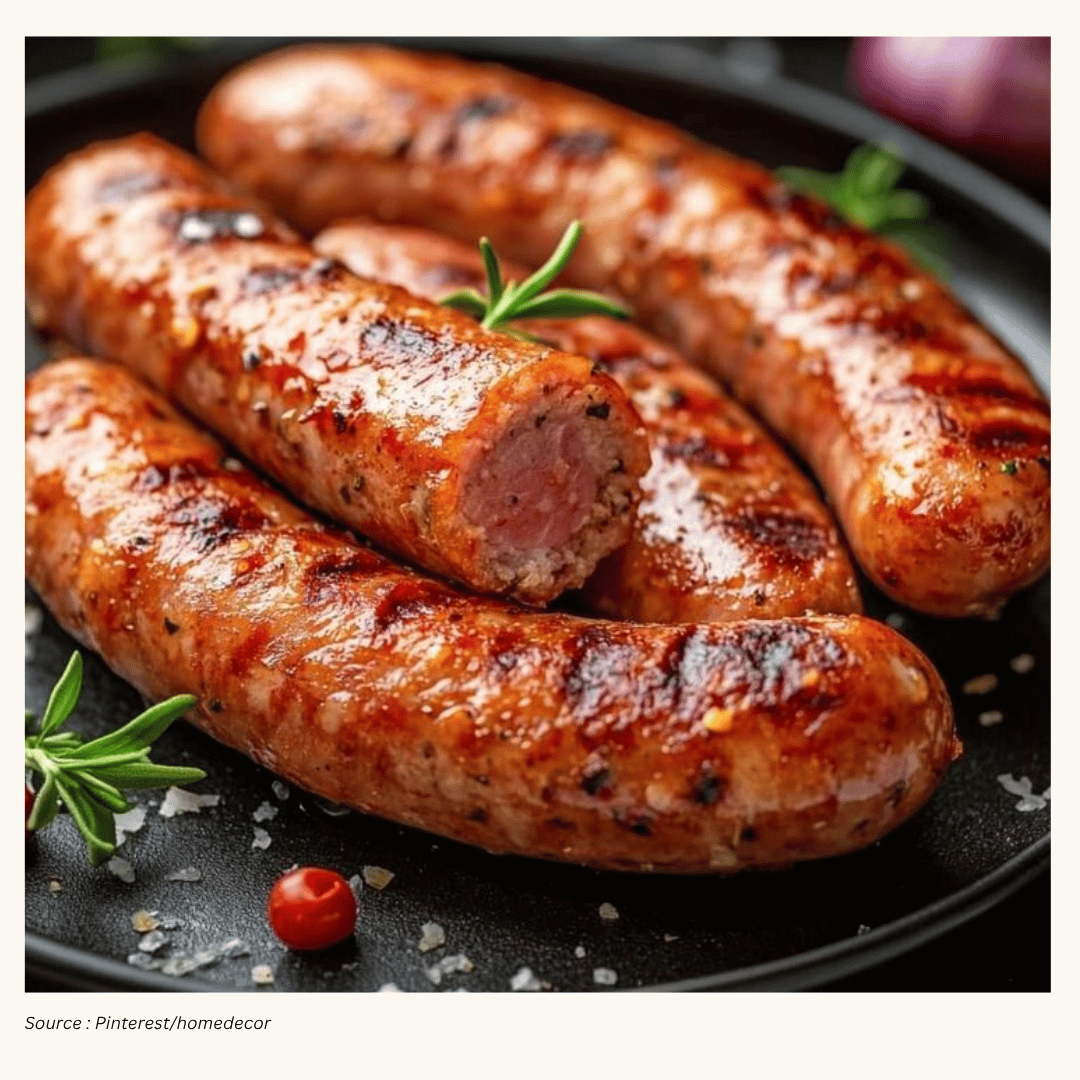
Why smoked hot dogs are worth trying
Hot dogs are often associated with quick grilling, a fast sear, and that familiar snap and char. Smoking them takes the same idea—simple, handheld comfort food—and adds a layer of flavor that’s difficult to get any other way. The approach is straightforward: score the hot dogs, toss them in a seasoning blend, then smoke them until they reach the right internal temperature. The result is a hot dog that still delivers the classic grilled-style appeal, but with an added smoky depth that stands out in a single bite.
Smoking is sometimes reserved for longer projects—pulled chicken, pork butt, lobster tails, carnitas, or crispy chicken wings—but hot dogs fit surprisingly well into the smoker routine. They’re quick, they’re easy to scale for a crowd, and they don’t require complicated preparation. If you’ve ever wondered whether hot dogs “belong” in a smoker, the simplest answer is that they take on smoke beautifully, and the method is forgiving enough for beginners while still delivering a noticeable upgrade in flavor.
The basic method: score, season, smoke
The foundation of this recipe is built around two small steps that make a big difference: scoring and seasoning. Scoring means cutting a crosshatch pattern into the skin of each hot dog. This does more than add visual appeal—it helps the spices cling to the surface and gives smoke more access to the exterior. Once scored, the hot dogs are tossed in a mixed seasoning blend and placed in the smoker.
From there, the cooking process is simple: smoke at 250°F for about an hour, or until the hot dogs are done. In practice, the cook time can be closer to 45 minutes depending on your setup and how quickly your smoker stabilizes. What matters most is not the clock but the internal temperature.
Cook to temperature, not time
One of the most important principles in smoking is to cook to temperature rather than relying strictly on time. For smoked hot dogs, the target internal temperature is 155°F. That number is your most reliable indicator that the hot dogs are cooked through and ready to serve.
Time estimates are helpful for planning, but they can’t account for differences in equipment, weather, hot dog size, or how often the smoker lid is opened. If you smoke at 250°F, you’ll typically land in the neighborhood of an hour, but the thermometer is the final authority.
Choosing wood for a short smoke
Because hot dogs spend less time in the smoker than larger cuts of meat, wood choice matters. A short smoke needs a wood that can deliver noticeable flavor quickly. Stronger woods are recommended for this reason, including hickory, mesquite, or oak.
The goal is to balance speed and impact: you’re not building layers of smoke over many hours, so you want a wood that makes its presence known within 45–60 minutes. If you enjoy a more pronounced smoke profile, leaning into these stronger woods helps ensure the flavor comes through clearly.
Temperature and finishing for extra char
Smoking at 250°F delivers a steady cook and a clean smoke profile. But if you like a hot dog with extra char, there’s an optional finishing step: once the hot dogs reach temperature, you can increase the heat to 400°F and cook them for another couple of minutes. This brief high-heat finish intensifies browning and adds a more grill-like bite on the exterior.
This approach is also useful if you want the best of both worlds—smoke flavor plus a punchier exterior texture. The key is to keep the high-heat portion short so you don’t overcook the hot dogs.
Scaling up for a crowd
The recipe is written for eight smoked hot dogs, but it scales easily. The main limitation is space: you can smoke as many as your smoker can comfortably fit. In practice, that means arranging them so smoke and heat can circulate around each one.
Because hot dogs are quick to prepare and quick to cook, they’re a practical option when you want to use your smoker without committing to an all-day session. They can also be a convenient add-on when you already have the smoker running.
Equipment choices and why they matter
The type of equipment you use can have a noticeable impact on flavor. Since this is a smoked recipe, the goal is to impart smoke character, and different setups deliver that in different ways. What matters most is that your equipment can maintain a steady temperature and produce clean smoke.
Regardless of the smoker style, the technique stays consistent: score the hot dogs, coat them in seasoning, smoke at 250°F, and cook until they reach 155°F internally. If your equipment allows you to increase heat at the end, you can also add the optional high-temperature finish for extra char.
Step-by-step overview
Even without a lengthy prep list, it helps to see the workflow laid out clearly. The process is designed to be quick and repeatable, making it easy to add smoked hot dogs to your regular rotation.
- Cut crosshatches on the skin of each hot dog.
- Mix the seasoning spices together in a bowl.
- Toss the hot dogs in the spices until coated.
- Preheat the smoker to 250°F.
- Smoke the hot dogs for about an hour, or until they reach 155°F internal temperature.
- Optional: increase heat to 400°F and cook for another couple of minutes for extra char.
This is a minimal-effort recipe by design. The scoring and seasoning steps take only a few minutes, and the smoker does the rest.
Topping ideas: classic choices and personal preferences
Toppings are where smoked hot dogs become a choose-your-own adventure. People have strong opinions about what belongs on a hot dog, and that’s part of the fun. The smoky base pairs well with a wide range of flavors, from sharp and tangy to rich and hearty.
Here are some topping options that work well:
- Mustard
- Ketchup
- Onions
- Relish
- Sauerkraut
- Pickles
- Chili
- Cheese
Because the hot dogs already carry smoke and seasoning, even simple toppings can feel more complete. If you prefer to keep things straightforward, a single topping—mustard, onions, or relish—can be enough to let the smoke flavor stay front and center. If you want something more substantial, chili and cheese can turn a smoked hot dog into a heartier meal.
Serving style and side ideas for a handheld meal
Hot dogs are naturally a handheld meal, which makes them a good match for sides that are easy to eat without a lot of extra setup. If you’re serving smoked hot dogs at a casual gathering, picnic, or game-day style meal, you can lean into foods that are similarly simple to grab and enjoy.
There are plenty of directions you can go with sides, and the best choice often depends on the occasion. The main idea is to keep the meal relaxed and practical—something that complements the smoky, savory profile of the hot dogs without demanding too much attention.
Storage and reheating
Smoked hot dogs store well, which makes them useful for leftovers or meal prep. Once cooled, keep them in an airtight container in the refrigerator for up to three days.
To reheat, place the hot dogs in the oven at 350°F for 5–10 minutes, or until warmed through. This method is simple and helps heat them evenly without needing to return them to the smoker.
Practical tips for better results
This recipe is intentionally uncomplicated, but a few practical points can help you get the most out of it:
- Don’t skip the crosshatch scoring. It helps seasoning adhere and improves surface exposure to smoke.
- Use a stronger wood for a short cook. Hickory, mesquite, or oak can deliver noticeable smoke flavor within 45–60 minutes.
- Rely on internal temperature. Aim for 155°F rather than focusing only on time.
- Finish hot if you want more char. A brief 400°F blast for a couple of minutes adds a more pronounced exterior bite.
- Scale based on space. You can make more than eight as long as your smoker can fit them comfortably.
These small choices—especially wood selection and cooking to temperature—are what separate an “okay” smoked hot dog from one that tastes intentionally crafted.
A simple smoker recipe with big payoff
Smoked hot dogs are a reminder that smoking doesn’t have to be complicated or time-consuming to be rewarding. With a quick scoring step, a toss in spices, and a steady 250°F smoke, you can transform an everyday staple into something that tastes deeper and more distinctive. The added smoke flavor builds on what people already love about hot dogs—savory, satisfying, and easy to serve—while still leaving plenty of room for personal touches through toppings and a high-heat finish.
Whether you’re using your smoker for a larger cook or firing it up specifically for a fast meal, smoked hot dogs are an easy win: quick to prepare, flexible for groups, and packed with flavor.