
Smoked Short Ribs: A Simple Low-and-Slow Recipe for Tender, Beefy Comfort Food
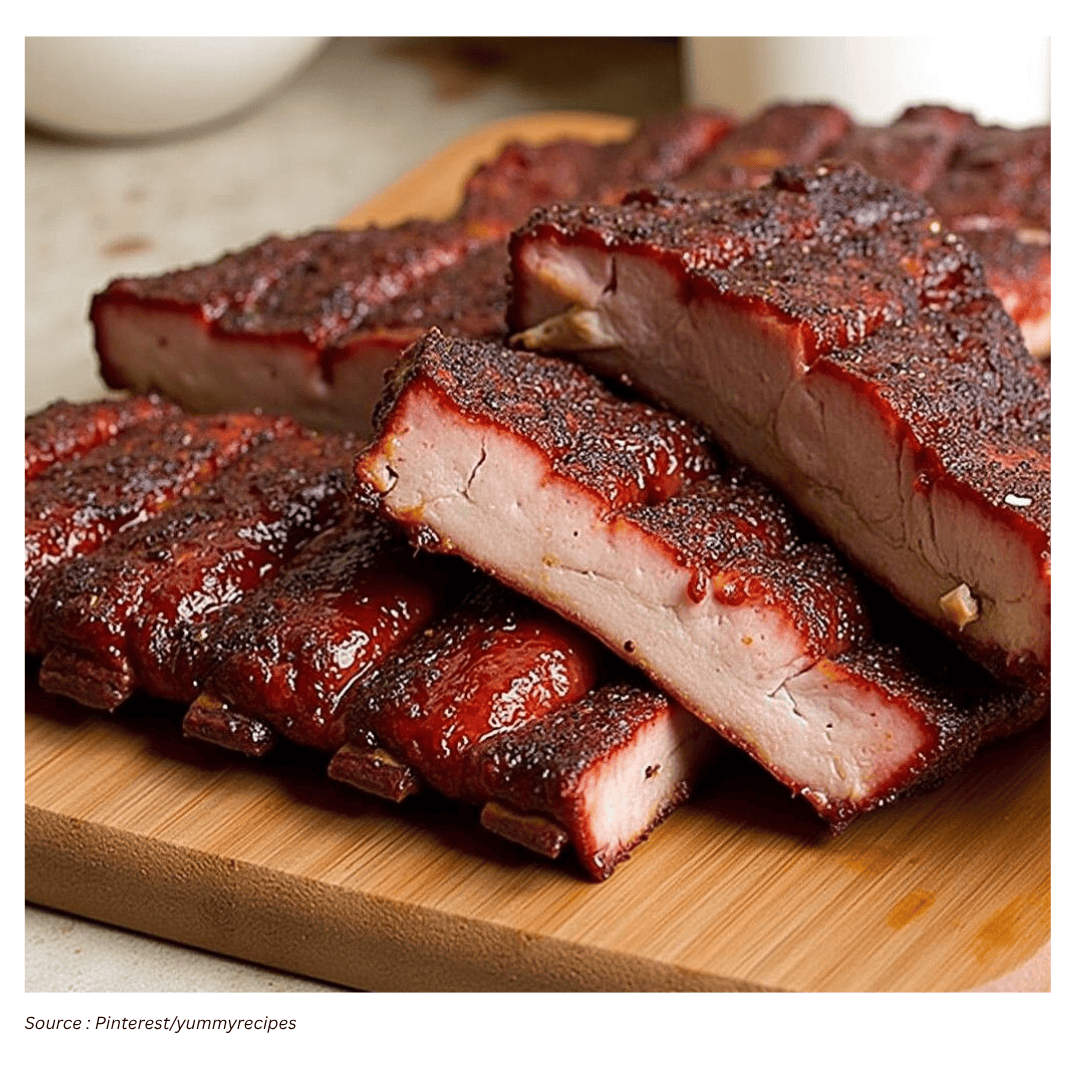
A comfort-food cut that shines on the smoker
Smoked short ribs are the kind of meal that feels special without requiring constant attention. With the right temperature, a simple rub, and a little patience, this cut turns into something deeply savory: tender beef with rich marbling and that unmistakable low-and-slow texture that practically melts as you slice it.
Short ribs are often associated with braises—slow cooking them with red wine and other ingredients is a classic approach. But smoking changes the experience. Instead of a sauce-driven finish, the smoker builds flavor from the outside in, creating a bark and a pronounced smoky character while still delivering the tenderness short ribs are known for.
That combination—beefy richness plus hours of gentle smoke—is why this method has become a go-to option for anyone who wants a hands-off dinner that can be started in the morning and served in the evening. It’s also a reminder that smoking isn’t just a warm-weather hobby. You don’t need summer to fire up a pellet grill or smoker; this is the kind of dish that fits a holiday table just as naturally as it fits a weekend cookout.
Why short ribs work so well for low-and-slow cooking
Short ribs are prized for their marbling and their ability to become exceptionally tender when cooked properly. That marbling—along with the cut’s naturally beef-forward flavor—makes them ideal comfort food. When you cook them low and slow, the texture transforms into the “melt in your mouth” result people look for, whether the ribs are braised or smoked.
Smoking adds another layer by infusing the meat with wood-driven aroma and flavor over several hours. The process is straightforward: season, smoke at a steady temperature, and let time do what it does best. For many cooks, that simplicity is the appeal. One home cook described making this style of smoked short ribs as “super easy,” with a result that everyone enjoyed—exactly the kind of feedback you want from a centerpiece protein.
Ingredients and prep: keep the rub simple
This approach relies on a simple rub rather than a long ingredient list. The specific ingredients are typically listed in a recipe card, but the overall method stays the same: mix the rub, coat the meat, and smoke. The goal is to season the exterior well enough to build a flavorful crust during the cook.
Before seasoning, take a moment to trim the ribs. Removing the fat cap and any silver skin helps the rub adhere and improves the final texture. Silver skin, in particular, can become chewy and tough when cooked, which can undermine the tenderness you’re working toward. Many short ribs are pre-trimmed, so you may not have much to do. If the silver skin is still present, use a sharp knife and carefully slide it between the membrane and the meat to slice it away.
Once trimmed, coat the short ribs with olive oil and apply the spice mixture evenly across the surface. The oil helps the rub stick and encourages a more consistent bark formation as the ribs smoke.
Step-by-step method (225°F, low-and-slow)
The process is designed to be simple and repeatable. It starts with a steady smoker temperature and minimal lid opening, then shifts into a spritzing routine to support moisture as the meat approaches its target internal temperature.
- Step 1: Mix the rub ingredients in a bowl.
- Step 2: Trim the fat cap and silver skin from the top of the short ribs. Rub olive oil over the short ribs, then coat the outside with the spice mixture.
- Step 3: Place the ribs in the smoker at 225°F and smoke for 3 hours without opening the lid.
- Step 4: After 3 hours, begin spritzing with apple cider vinegar every hour until the internal temperature reaches 205°F.
That’s the core workflow: rub, smoke, spritz, and cook to temperature. It’s a method that fits well into a day at home because the smoker does most of the work while you handle other tasks.
How long it takes—and why temperature matters more than the clock
At 225°F, smoked short ribs typically take 5 to 6 hours, though the exact time depends on thickness. The most reliable way to judge doneness is internal temperature rather than a strict schedule. For tender results, cook to an internal temperature of 205°F to 210°F.
That temperature range is where the texture becomes especially yielding. If you have a thermometer, it removes guesswork and helps you avoid pulling the ribs too early. If you don’t have one, there’s still a practical cue to watch for: the ribs are done when you can slice through them “like butter.” That easy slicing is a strong sign that the meat has reached the tenderness people expect from properly cooked short ribs.
Spritzing and moisture: a simple habit that can help
After the initial three hours of smoking without opening the lid, spritzing becomes part of the routine. Using apple cider vinegar once per hour is an uncomplicated way to keep the surface from drying out as the cook continues. It also gives you a consistent check-in point—without turning the cook into a constant monitoring exercise.
The key is balance: you want to maintain the smoker environment and avoid unnecessary lid opening, but you also want to support moisture as the ribs move toward the finish line. The hourly spritz pattern is a structured approach that keeps the process calm and predictable.
Texas Crutch: to wrap or not to wrap
Wrapping short ribs—often called the Texas Crutch—is an optional technique that can help retain moisture and speed up cooking. The typical window for wrapping is after 3 to 4 hours, using either foil or butcher paper.
Whether you wrap depends on what you want from the exterior. Wrapping can soften the bark slightly, while leaving the ribs unwrapped can encourage a thicker bark. There’s no single “correct” choice here; it’s a preference based on texture and timing. If you’re aiming for a more pronounced crust and don’t mind a longer cook, you may skip wrapping. If you want to keep things moving and prioritize moisture retention, wrapping is a useful tool.
Choosing wood: bold smoke or a milder sweetness
Wood choice shapes the character of the final ribs, and there’s room to tailor it to your taste. For a bold, classic smoke profile, hickory, oak, or mesquite are popular options. If you prefer something milder with a slightly sweet edge, fruitwoods like apple or cherry are a good fit.
Because short ribs have a strong beefy flavor and rich marbling, they can stand up to more assertive woods. At the same time, a gentler fruitwood approach can highlight the meat’s natural richness without pushing the smoke too far forward. Either direction can work well; the key is choosing a profile you enjoy and keeping the cook consistent.
Serving ideas: what to pair with smoked short ribs
One of the best things about smoked beef short ribs is how flexible they are at the table. They pair well with a wide range of sides, making them easy to fit into different menus—whether you’re planning a holiday spread or a simple weekend dinner.
A standout pairing is goat cheese polenta, which complements the ribs’ savory depth with creamy richness. Beyond that, the ribs “go with pretty much everything,” so you can mix and match sides based on what you like and what’s practical for the day.
Because the ribs are such a hearty centerpiece, many cooks gravitate toward sides that can either soak up juices or offer contrast in texture. The main point is that you don’t need to overthink it: once the ribs are smoked to tenderness, they can anchor a meal in a lot of different directions.
Holiday-friendly, but not limited to holidays
Beef dishes often take center stage during holidays, and short ribs fit naturally into that tradition. Many holiday menus already revolve around beef preparations—think of comfort-driven classics that feel celebratory and filling. Smoked short ribs belong in that same category, offering a hands-off cooking style that still feels like a special-occasion meal.
At the same time, this isn’t a recipe that needs a special date on the calendar. It’s equally suited to any day when you want to start a cook in the morning and have dinner ready later, without standing over a stove. That’s part of what makes smoking short ribs so appealing: the time commitment is real, but the active effort is modest.
Practical doneness checklist
If you want a quick way to sanity-check the cook as it progresses, these are the core targets and cues that matter most:
- Maintain a smoker temperature of 225°F.
- Smoke for the first 3 hours without opening the lid.
- After 3 hours, spritz with apple cider vinegar every hour.
- Plan for roughly 5–6 hours total cook time, depending on thickness.
- Cook to an internal temperature of 205–210°F for tender results.
- If you don’t have a thermometer, look for the “slice like butter” tenderness cue.
- Trim silver skin if present to avoid a chewy texture.
- Optional: wrap after 3–4 hours (Texas Crutch) to retain moisture and speed cooking, noting it can affect bark thickness.
A straightforward smoked short rib routine you can repeat
Smoked short ribs don’t require complicated steps to deliver a rich payoff. The formula is consistent: a simple rub, a steady 225°F smoker, a patient low-and-slow cook, and a finish based on internal temperature rather than guesswork. Add in thoughtful trimming—especially removing silver skin when needed—and you’re set up for the tender, beefy result short ribs are known for.
Whether you’re used to braising short ribs or you’re trying them on a smoker for the first time, this method keeps the process approachable. It’s the kind of recipe that earns a place in regular rotation precisely because it’s so manageable: prepare in the morning, let the smoker do the work, and serve a dinner that feels like true comfort food.