
A Reliable Beef Stroganoff for Cozy Nights: Rich Sauce, Tender Beef, and Egg Noodles
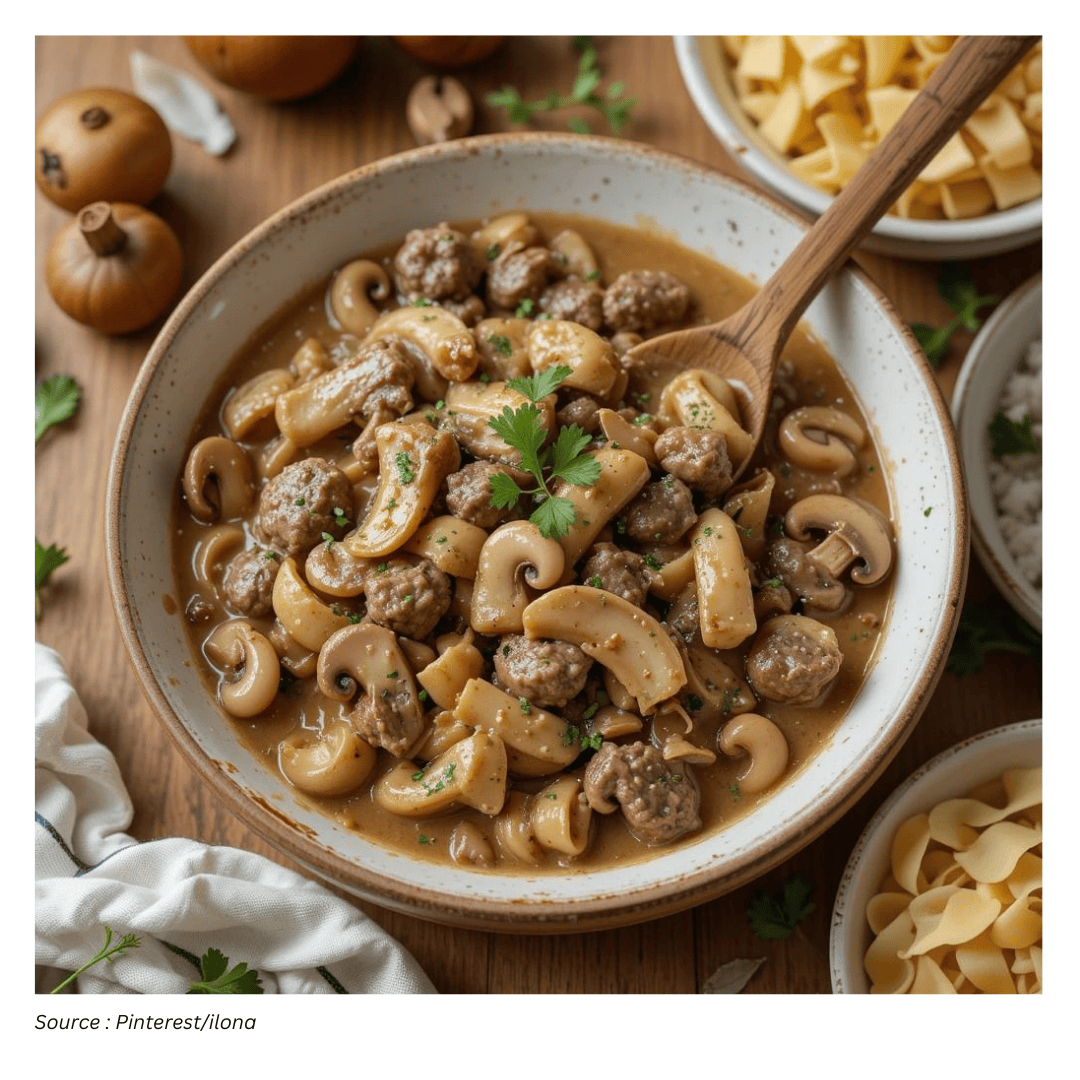
Why beef stroganoff keeps earning its place in the comfort-food rotation
Beef stroganoff is one of those old-school classics that doesn’t need reinvention to feel special. It’s dependable, warming, and deeply satisfying—exactly the kind of meal that makes a kitchen feel inviting after a long day or on a cold night. The appeal is straightforward: tender beef, earthy mushrooms, and a rich sauce that’s both savory and tangy, all brought together with noodles that soak up every bit of flavor.
This version focuses on building a sauce with depth without making the process complicated. The flavor is rounded out with red wine, Dijon mustard, Worcestershire sauce, and tomato paste, then finished with sour cream for that signature tang and creamy texture. It’s also practical: much of what you need is made up of pantry staples, and the steps are designed to move efficiently from one component to the next so dinner comes together with minimal fuss.
The overall game plan: noodles first, then beef, mushrooms, and sauce
If there’s one organizing principle that makes this dish feel easy, it’s the order of operations. Start with the noodles, then quickly brown the beef, then brown the mushrooms, and finally build the sauce in the same pan. Working in this sequence keeps the pace steady and ensures each element is ready when you need it.
The dish is traditionally paired with extra-wide egg noodles, and there’s a good reason for that: once they’re incorporated into the sauce, they absorb the glossy, savory coating rather than sitting underneath it. The result is a cohesive bowl of comfort, not a plate of separate parts.
Step 1: Cook the noodles and butter them while they’re hot
Begin by cooking the noodles according to the package instructions. This is not only practical—noodles can cook while you prep the other ingredients—but it also sets you up to finish the dish smoothly once the sauce is ready.
As soon as the noodles are cooked, add butter right away. The residual heat helps it melt quickly and coat the noodles evenly. This small step matters: it adds richness and helps prevent sticking while you finish the rest of the stroganoff.
Step 2: Prep and brown the beef quickly
While the noodles cook, slice the steak into 2-inch pieces. Dredge the pieces in seasoned flour, which helps create a light coating that browns nicely in the pan and also contributes a bit of thickening power later on.
Heat a pan until it’s hot, add oil, and cook the beef just until browned—about 1 minute per side. The goal here is color, not a long cook. Once the beef is browned, clear it out of the pan so you can move on to the mushrooms without crowding or steaming them.
Step 3: Brown the mushrooms with butter and a splash of water
Next up are the mushrooms. Cook them with butter and a little bit of water. This combination helps them cook through and then brown, giving you that savory, earthy backbone that makes stroganoff feel complete.
After the mushrooms are browned, season them with salt. Timing matters: seasoning after browning can help you avoid drawing out too much moisture too early, which can slow down the browning process. Once they’re done, clear the mushrooms out of the pan so you have space to build the sauce.
Step 4: Build a flavor-packed sauce starting with caramelized shallots
The sauce begins with caramelized shallots. Cook them in water and butter, giving them time to soften and develop sweetness. Expect this step to take about 10 to 15 minutes to reach the ideal texture. It’s not difficult, but it does ask for a bit of patience—and it pays off by giving the sauce a deeper, more rounded base.
Once the shallots are where you want them, add garlic along with Dijon mustard, tomato paste, and Worcestershire sauce. This combination brings tang, umami, and saltiness in a concentrated way. It’s the point in the process where the dish starts to smell unmistakably like dinner.
To help the sauce thicken, sprinkle in flour. This creates structure so the final sauce clings to the noodles and coats the beef rather than pooling at the bottom of the bowl.
Step 5: Simmer with beef stock and red wine, then temper the sour cream
With the aromatics and flavor builders in the pan, pour in beef stock and red wine. Bring the sauce to a boil. This step helps everything meld and sets the stage for the creamy finish.
Before adding sour cream to the hot sauce, temper it. Transfer some of the sauce to a small bowl and stir in the sour cream there first. This gentle approach helps the sour cream integrate smoothly when it returns to the pan, supporting a creamy texture and tangy finish.
Step 6: Return the beef and mushrooms, then toss with noodles
As you near the finish line, thinly slice the meat. Then return it to the remaining sauce along with the mushrooms. Add the tempered sour cream mixture and the noodles, and stir everything together until it’s evenly coated and glossy.
This final toss is where the dish becomes what it’s meant to be: noodles absorbing sauce, mushrooms distributed throughout, and beef nestled into the creamy, savory base. It’s a one-pan-style finish that feels cohesive and comforting.
How to serve it
Divide the beef stroganoff among shallow bowls or plates. Finish with chopped parsley for garnish. The parsley adds a pop of green and a fresh note that balances the richness of the sauce.
Ingredient and technique checklist
While the complete ingredient list and detailed instructions are typically laid out in a recipe format, the core components and techniques are clear. If you want a quick reference for what makes this version work, use the checklist below.
- Noodles: Cook according to package instructions; butter immediately after draining.
- Beef: Slice into 2-inch pieces; dredge in seasoned flour; brown quickly in hot oil (about 1 minute per side).
- Mushrooms: Brown with butter and a little water; salt after browning.
- Shallots: Caramelize in water and butter for 10 to 15 minutes.
- Flavor builders: Garlic, Dijon mustard, tomato paste, Worcestershire sauce.
- Thickener: Flour sprinkled into the sauce base.
- Liquids: Beef stock and red wine brought to a boil.
- Finish: Sour cream tempered with hot sauce before combining.
- Garnish: Chopped parsley.
Serving variations if you want to switch it up
Extra-wide egg noodles are the classic pairing here, especially because they’re incorporated directly into the sauce so they can absorb it. But stroganoff is flexible at the table. If you’re looking for alternatives, you can serve the same beef-and-mushroom sauce over white rice, alongside roasted vegetables, or with cauliflower rice.
- White rice: A simple swap that still lets the sauce shine.
- Roasted vegetables: A hearty side option that complements the richness.
- Cauliflower rice: An alternative approach that still works well with the creamy sauce.
Leftovers and make-ahead strategy
Beef stroganoff is also a practical meal for the days that follow. Store leftovers in an airtight container for up to 3 days. When reheating, keep the heat low and go slow on the stovetop to help maintain the sauce’s texture.
If you’d like to meal prep, you can cook the sauce and the noodles ahead of time, store them separately, and combine them when you’re ready to eat. Keeping them apart until the last moment helps preserve the noodles’ texture while still giving you the convenience of a quick assembly.
A comfort-food dinner that feels familiar—and still special
What makes this beef stroganoff worth keeping in your back pocket is how reliably it delivers. The steps are simple, the ingredients are approachable, and the result is the kind of rich, tangy, savory bowl that feels like a reward at the end of the day. Between the browned beef, the mushrooms, the caramelized shallots, and the sour-cream finish, the flavors land squarely in classic territory—cozy, balanced, and satisfying.
When you want your kitchen to smell like a home-cooked meal without committing to an all-day project, this approach hits the mark: noodles buttered while hot, beef browned quickly, mushrooms cooked until golden, and a sauce built for depth and finished for creaminess. It’s comfort food in the most practical sense—warm, familiar, and ready when you need it.