
Ragu Bianco: A Comforting White Bolognese for Pasta Nights
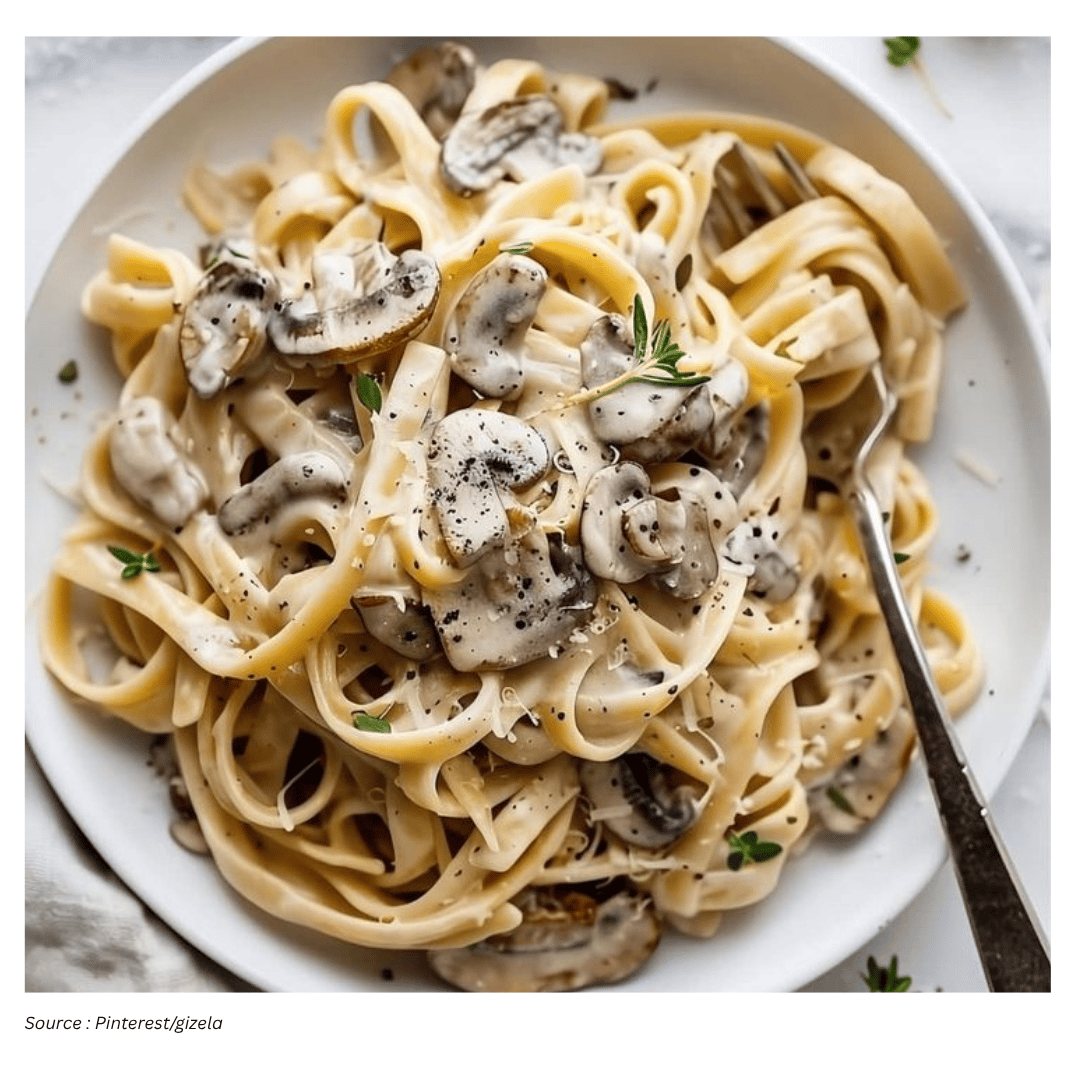
Ragu bianco, explained: the “white” side of bolognese
Pasta has a way of defining comfort food across seasons, but especially when the weather turns cold. Many home cooks reach for familiar classics—creamy sauces, cheese-forward dishes, herbaceous pestos, and slow-simmered ragùs—because they deliver warmth and satisfaction with every bite.
Among those options, bolognese is often treated as royalty: a deeply flavored meat sauce that feels both hearty and timeless. Yet there’s a lesser-known variation that deserves a place in the same conversation: ragu bianco, sometimes described simply as white bolognese. It offers the same comforting, slow-cooked appeal, but takes a different path to richness by skipping tomatoes entirely.
Instead of relying on tomato for body and sweetness, ragu bianco leans into a creamy, rich texture and a flavor profile that can read as slightly woody and deeply savory. The result is a sauce that feels familiar to anyone who loves bolognese, but distinct enough to feel like a new staple—particularly on a cold night when you want something soothing but not heavy in the way a tomato-based sauce can be.
What makes ragu bianco different from classic bolognese?
The defining characteristic is straightforward: it’s a traditional Italian meat sauce without tomatoes. That single change shifts the entire balance of the dish. Without tomato, the sauce’s depth comes from careful browning, patient simmering, and the interplay of aromatics, meat, and wine. The “white” label doesn’t mean bland; it signals a different style of richness, one that feels creamy and layered rather than bright and tangy.
In practice, ragu bianco is often used as a pasta sauce in the same way you’d use a classic bolognese. It’s built to cling to noodles, coat them evenly, and deliver a steady, savory flavor in every forkful.
The comfort-food case for pasta (and why this sauce fits right in)
When people talk about comfort food, pasta is usually near the top of the list. It’s versatile enough to accommodate everything from intensely cheesy preparations to seafood-forward plates to herb-based sauces. That flexibility is exactly why ragu bianco works so well: it sits in the middle of the comfort spectrum—rich but not sharp, hearty but still silky.
If you already enjoy a rotation of pasta dishes—whether they’re creamy, peppery, pesto-based, or indulgently buttery—this sauce gives you another option that feels special without being complicated in concept. It’s the kind of dish that can anchor a weeknight dinner, but also feels worthy of serving when you want something a little more “slow-cooked” and cozy.
Core method: how the sauce is built
Even without listing every ingredient, the structure of ragu bianco is clear: it’s a sauce where technique matters. Each stage is designed to build flavor and concentrate it before the long simmer ties everything together.
- Start with pancetta: Cook the pancetta for about 5 minutes, or until it turns crispy. This step lays down a savory foundation and adds texture early on.
- Add the pureed mirepoix: Once the pancetta is crisp, add the pureed mirepoix. Cook it for roughly 10 minutes, or until the liquid evaporates and the mixture begins to brown. This is a key moment: the goal is to drive off moisture and encourage browning, which deepens flavor.
- Brown the ground meat: Cook the ground meat until browned. Browning isn’t just about cooking through; it’s where much of the sauce’s meaty depth is developed.
- Add herbs, then deglaze with wine: After browning, stir in the herbs and deglaze with wine. Deglazing lifts the flavorful bits from the bottom of the pot, bringing them back into the sauce.
- Simmer: Add the remaining ingredients to a Dutch oven and simmer for about 1 hour. This is where everything melds into a cohesive ragù.
- Finish with pasta and pasta water: Taste and adjust seasoning, then add cooked pasta and a bit of pasta water, tossing to combine. Pasta water helps the sauce cling and creates a more unified, glossy finish.
This sequence also highlights why the right cookware matters. Because the sauce is built in stages—crisping, cooking down, browning, deglazing, and simmering—using the appropriate equipment helps each step perform as intended.
Why wine matters in ragu bianco
Wine isn’t treated as optional here. It’s described as a key ingredient that gives the sauce depth of flavor, especially important in a tomato-free ragù where you’re relying on other elements to create complexity.
There’s also a practical guideline that doubles as good culinary sense: use a wine you’d be willing to drink. In other words, avoid choosing something you wouldn’t enjoy on its own, because the flavor will concentrate and become part of the final dish.
Ingredient flexibility: ways to mix it up
One of the appeals of a ragù-style sauce is that it can be adapted. This ragu bianco is presented as “pretty perfect,” but still open to variation. While the specific list of variations isn’t detailed here, the overall message is that you can adjust ingredients to suit your preferences, as long as you respect the method—building flavor early and simmering long enough for the sauce to come together.
That flexibility is useful if you’re cooking for different tastes at the table or simply want to make the dish your own over time. The technique remains the backbone; the exact mix can evolve.
Vegetarian option: a plant-based approach
Ragu bianco can also be adapted for vegetarian cooks. A suggested approach is to replace the meat with plant-based alternatives such as crumbled tempeh or tofu. To keep the sauce cohesive and satisfying, consider using vegetable broth and dairy-free options to maintain creaminess.
The key is to preserve the spirit of the dish: a savory, richly textured sauce meant to coat pasta. Even without meat, the same principles apply—cook down the aromatics, build depth, and give the sauce time to simmer so flavors can develop.
Timing and simmering: why one hour makes a difference
Ragù is rarely rushed, and this version follows that logic. After the pancetta, mirepoix, meat, herbs, and wine have done their work, the sauce simmers for about an hour. That time helps soften any sharp edges from the wine, deepen the overall savoriness, and create the creamy, rich texture associated with white bolognese.
Just as importantly, the simmer gives you a natural checkpoint: after an hour, you taste and adjust seasoning. That final adjustment is what turns a good sauce into one that feels complete and balanced.
Serving: finishing the pasta properly
The sauce isn’t meant to sit on top of noodles as an afterthought. The method emphasizes combining the sauce with cooked pasta and a splash of pasta water, then tossing to coat. This finishing step matters because it helps the sauce integrate with the pasta rather than simply covering it.
If you’re aiming for the most comforting result, treat that final toss as part of the cooking process, not just plating. It’s where the dish becomes cohesive—silky, well-seasoned, and evenly coated.
Storage: how long it keeps
Ragu bianco is also practical as a make-ahead meal. Stored in an airtight container in the refrigerator, it will last about 3 days. If you want to keep it longer, it can be stored in the freezer for up to 3 months.
Those storage windows make it well-suited for batch cooking. You can prepare a larger amount, enjoy it fresh, and then portion leftovers for quick meals later in the week—or stash some away for a future dinner when you want something comforting without starting from scratch.
Reheating: best methods for leftovers
Leftover pasta with ragu bianco reheats well, but the method you choose can affect texture. A preferred approach is to reheat in a skillet with a splash of water, cooking on medium-low until heated through. The added water helps loosen the sauce and restore a silky consistency as it warms.
A microwave also works. Place the pasta in a microwave-safe bowl, add a splash of water, and microwave for 1 minute. Stir, then microwave for another minute or until heated through. That quick stir-and-heat approach helps warm the dish evenly and prevents hot spots.
Equipment: why it matters
The equipment used is described as important to how the sauce turns out. In particular, the method calls for adding ingredients to a Dutch oven for the simmer. This makes sense for a ragù: you want a pot that holds heat steadily, supports browning, and is comfortable for a longer, gentle cook.
Because the process includes crisping pancetta, cooking down a pureed mirepoix until it browns, and deglazing with wine, a heavy, sturdy pot helps you control heat and build flavor without scorching. The right equipment doesn’t replace technique, but it supports it—especially in a sauce that depends on careful cooking rather than tomatoes for structure.
How to fit ragu bianco into your pasta routine
If your default is a classic tomato-based bolognese, ragu bianco is an easy way to expand your repertoire without leaving the comfort zone of slow-simmered meat sauce. It can be approached with the same mindset: take your time, brown thoughtfully, and let the sauce simmer until it tastes rounded and rich.
It also works as a seasonal pivot. When you want something warming and hearty, but you’re in the mood for a sauce that feels creamy and savory rather than tomato-forward, white bolognese fills that gap. The end result is the kind of pasta dinner that feels both familiar and refreshingly different.
Key takeaways for success
- Build flavor early: Crisp pancetta, then cook the mirepoix until moisture is gone and browning begins.
- Don’t skip browning: Brown the ground meat well before adding herbs.
- Use wine intentionally: Deglaze with wine for depth, and choose a wine you’d actually drink.
- Give it time: A one-hour simmer helps the sauce become cohesive and rich.
- Finish in the pot: Toss cooked pasta with sauce and a little pasta water to bring everything together.
- Store smart: Refrigerate up to 3 days or freeze up to 3 months.
- Reheat gently: A skillet with a splash of water is ideal; microwaving works with a stir halfway through.
Ragu bianco may not be as famous as its tomato-based cousin, but it offers the same kind of comfort and depth that makes bolognese a staple. With a creamy, rich texture and a method designed to build flavor step by step, it’s a rewarding sauce to add to your pasta rotation—especially when you’re craving something cozy and satisfying.