
One-Skillet Greek-Style Chicken Thighs for a Fast, Flavor-Packed Weeknight Dinner
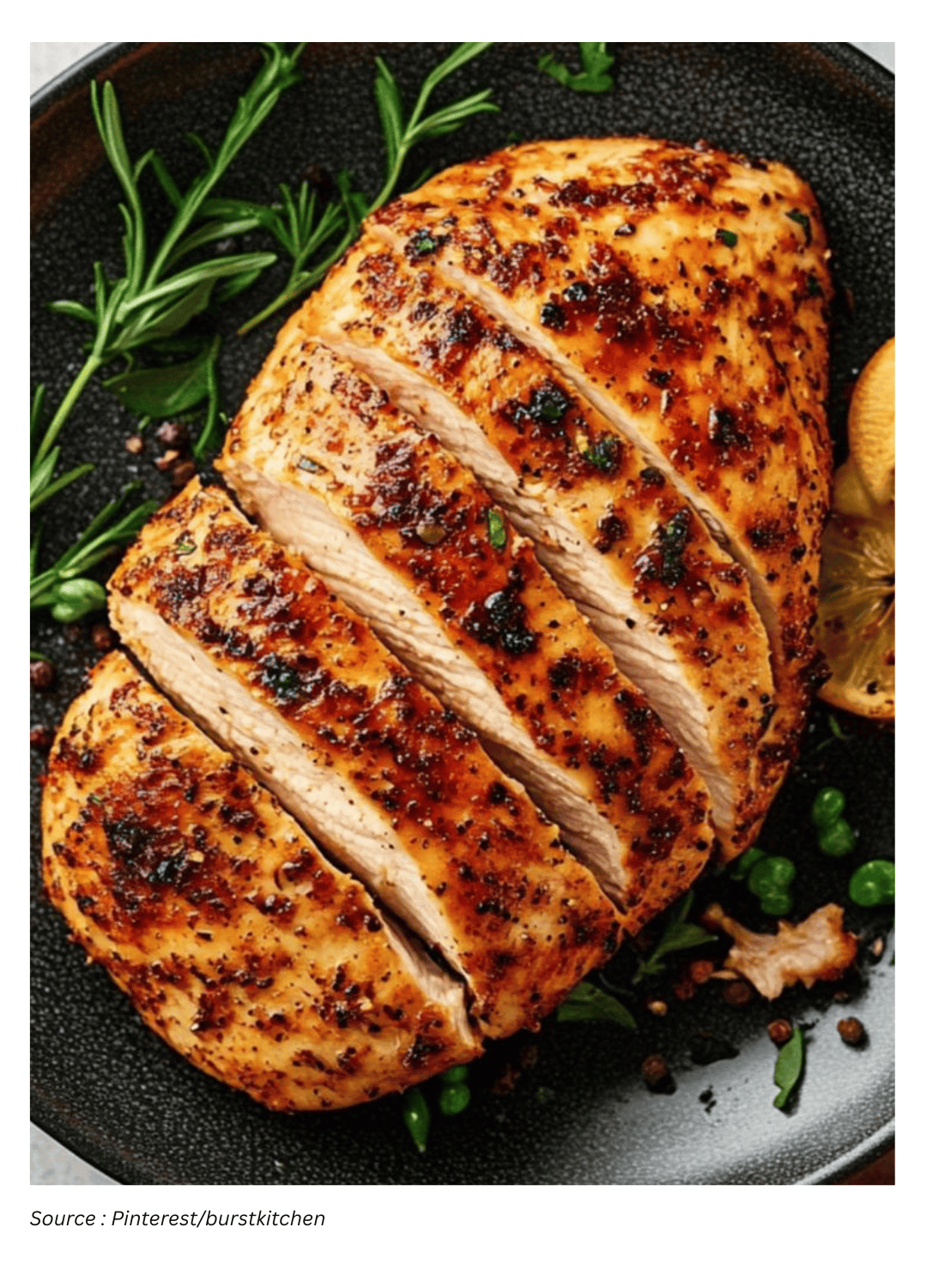
A one-pan dinner that feels bigger than the effort
Some weeknights call for ambition. Others call for something that tastes like you tried—without requiring a sink full of dishes or a long list of ingredients. This one-skillet Greek-inspired chicken thigh dinner is built for those “what can I make right now?” moments: a quick lemony marinade, a hot skillet for crisp skin, and a short trip to the oven to finish everything at once.
The appeal is straightforward. Using a single ovenproof skillet means the chicken and vegetables cook together, and the pan juices become a sauce you can spoon over the top at the end. The method is also forgiving: you can keep the vegetable mix seasonal, and the marinade time flexes to fit your schedule.
Why chicken thighs work especially well here
Chicken thighs are a practical choice for a fast dinner because they stay juicy and tender when cooked at higher heat. In this recipe, the thighs are marinated, seared skin-side down until golden and crisp, then finished in a 425° oven. That two-step approach is the key to getting both texture and tenderness: the stovetop sear encourages browning and crispness, while the oven heat cooks the meat through without constant attention.
Because everything happens in one pan, the flavors are concentrated. The marinade—olive oil, lemon juice, garlic, and oregano—doesn’t just season the chicken. It also mingles with the vegetables and any rendered juices during cooking, creating a bright, savory sauce that ties the meal together.
The flavor profile: lemon, garlic, oregano, and olive oil
This dinner leans on a classic Greek-inspired combination: olive oil for richness, lemon juice for acidity and lift, garlic for depth, and oregano for a familiar herbal backbone. The ingredients are intentionally basic, the kind many home cooks already have on hand. The result is a dish that tastes bold without needing specialty items or lengthy prep.
One of the most useful elements here is how the marinade time can be short and still effective. The chicken only needs about 15 minutes in the fridge to pick up flavor, but it can marinate for up to two hours if you’re planning ahead and want a deeper infusion.
What people like about it
Home cooks who have made this style of dish often highlight two things: how easy it is and how satisfying it tastes. One reviewer described it as “simply delicious and very easy,” calling it a “great low-carb weeknight meal” they planned to make repeatedly, adding that it was “even good enough to serve to company.” Another called it their “new favorite way to make chicken.”
That feedback tracks with what the recipe is designed to do: deliver reliable results, minimal mess, and a meal that feels complete even without additional sides.
How the one-skillet method comes together
The workflow is simple and efficient, which is part of the reason it suits busy evenings. Here’s the overall sequence:
- Make a quick marinade by whisking olive oil, lemon juice, garlic, and oregano in a large bowl.
- Add chicken thighs, toss to coat, cover, and marinate in the fridge (15 minutes to 2 hours).
- Preheat the oven to 425°.
- Heat an ovenproof skillet over medium-high heat with the remaining olive oil.
- Season the chicken with salt and pepper, then place it skin-side down in the skillet and pour in the remaining marinade.
- Sear until the skin is golden and crispy (about 10 minutes).
- Flip the chicken, add vegetables (such as asparagus and zucchini) plus lemon slices.
- Transfer the skillet to the oven and cook until the chicken is cooked through and the vegetables are tender.
- Serve with the pan sauce spooned over the chicken.
That’s it: one bowl for the marinade, one skillet for cooking, and a dinner that’s ready in under an hour, including the time it takes to roast the vegetables alongside the chicken.
Why starting on the stovetop matters
If you’ve ever tried to roast chicken thighs and ended up with skin that’s pale or rubbery, the stovetop step is the fix. Searing the chicken skin-side down over medium-high heat gives the fat a chance to render and the skin a chance to brown. The recipe suggests about 10 minutes to reach a golden, crispy finish.
Once that texture is established, the oven takes over. The high heat helps cook the chicken through while the vegetables soften and roast in the same pan. It’s a practical division of labor: the stovetop handles crispness; the oven handles doneness.
Choosing vegetables: keep it seasonal and flexible
The recipe pairs the chicken with roasted zucchini and asparagus, a combination that cooks well in the same timeframe and benefits from the lemony, garlicky pan juices. But the format is intentionally adaptable. If you have other seasonal vegetables on hand, the same approach can work—especially if you’re aiming to use what’s already in the fridge.
In this version, the vegetables are added after the chicken is flipped. That timing helps prevent them from overcooking during the initial sear and ensures they roast rather than steam.
Lemon slices: small addition, big payoff
Adding lemon slices to the skillet does more than make the dish look appealing. As they roast, they soften and release aromatic citrus oils, reinforcing the bright flavor of the marinade. They also serve as a built-in garnish, and they echo the lemon juice already present in the sauce.
Serving ideas: complete as-is, or add a carb if you want
Because the chicken and vegetables cook together, this is already a well-rounded meal straight from the skillet. You can plate it as-is and spoon the sauce over everything for a cohesive finish.
If you’re in the mood for something more filling—or simply want to stretch the meal—this dish also plays well with classic comfort sides. Buttery mashed potatoes are one option, and fluffy herby rice is another. A lemon-herb rice pilaf, in particular, fits the flavor profile without competing with it.
Storing leftovers and making it work for meal prep
This meal is also practical the next day. Leftovers can be stored in an airtight container in the refrigerator for 3 to 4 days, making it a solid candidate for lunch or a second dinner later in the week.
If you want to store it longer, it can be frozen for up to 3 months. Keeping the chicken and vegetables together makes reheating straightforward, and any sauce left in the container can be spooned over the top to help bring back moisture and flavor.
A quick recap you can follow without fuss
If you’re looking for a simple mental checklist before you start, this is the essence of the dish:
- Marinate: olive oil + lemon juice + garlic + oregano, then coat chicken thighs and chill briefly.
- Sear: skin-side down until crisp and golden, pouring in the remaining marinade for extra flavor.
- Add vegetables: asparagus and zucchini (or whatever is in season), plus lemon slices.
- Roast: finish in a 425° oven until chicken is cooked through and vegetables are tender.
- Serve: spoon the pan sauce over everything.
It’s the kind of recipe that earns a permanent spot in the weeknight rotation: minimal prep, a single pan, and a flavor profile that feels bright and satisfying. When you want dinner to be both low-effort and genuinely enjoyable, this one-skillet approach delivers.