
Next-Level Bananas Foster: A Classic New Orleans Dessert With Hazelnut Crunch and Chocolate Swirl
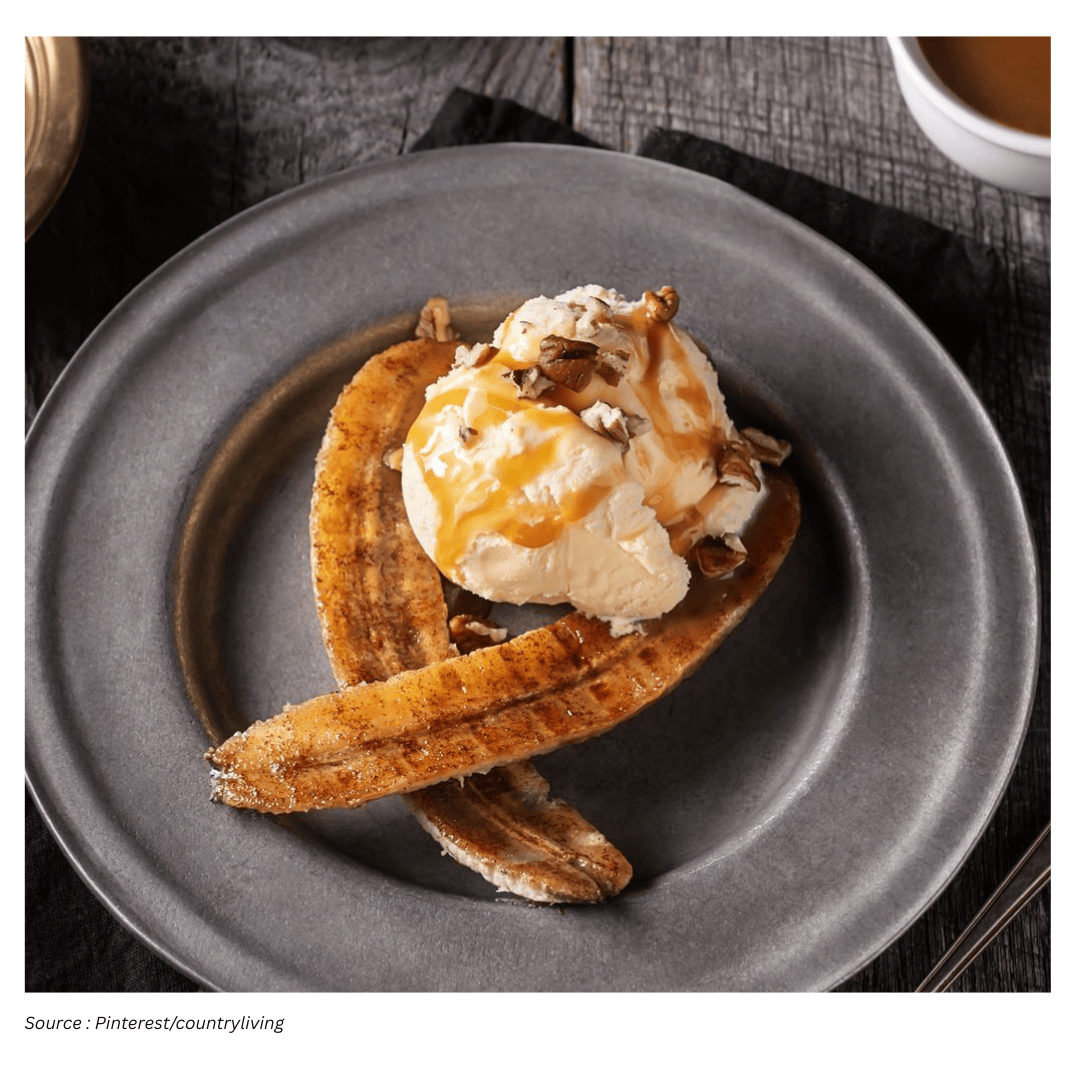
A French Quarter classic you can make at home
Bananas Foster is one of those desserts that feels like an event. Even if you’ve never made it yourself—or never made it to New Orleans, where it was created—you can still capture the spirit of the dish in your own kitchen with a skillet, a few pantry staples, and a willingness to work quickly once the heat is on.
Traditionally, Bananas Foster is built on a simple idea: ripe bananas are warmed in a buttery brown sugar sauce, then finished with rum. The rum can be flambéed for a dramatic presentation, and the bananas are served immediately—most famously with a scoop of ice cream that melts into the sauce. Despite being a decades-old recipe, a well-made Bananas Foster doesn’t feel dated. When the sauce is glossy and sweet-spiced, the bananas are tender but intact, and the ice cream hits the plate at the right moment, it can stand alongside any modern dessert menu.
This “next level” version keeps everything people love about the classic—caramelized bananas, buttery sauce, rum warmth, and cold ice cream—while adding two finishing touches that change the experience in a meaningful way: a swipe of chocolate-hazelnut spread on the plate and a sprinkle of chopped toasted hazelnuts. The result is still fast and stovetop-friendly, but it offers more contrast in texture and a deeper, more layered flavor.
What makes this version feel more sophisticated
The core of Bananas Foster is already rich: butter, dark brown sugar, and bananas create a sauce that’s both comforting and intense, especially when seasoned with warm spices. This recipe leans into that richness with cinnamon and nutmeg, plus vanilla bean paste or extract for a rounder aroma. A pinch of kosher salt helps keep the sweetness in check.
Where the “next level” approach really shows up is at the finish. Instead of serving the bananas and sauce on a plain plate, you prepare the serving plates in advance with a swipe of chocolate-hazelnut spread. That simple step gives each bite a subtle chocolate note and a nutty undertone that complements the brown sugar and spice.
Then, toasted hazelnuts add crunch—something the classic version doesn’t always offer. Because Bananas Foster is soft by nature (warm fruit, silky sauce, melting ice cream), a crisp element can make the dish feel more complete. Toasting the hazelnuts first also intensifies their flavor, making them taste more fragrant and “present” rather than just decorative.
There’s also an optional detail that can change the balance: a hint of lemon zest. Used sparingly, it brightens the overall profile and can keep the dessert from tasting one-note, especially when paired with a spiced rum.
Ingredients and why each one matters
Even though the ingredient list is short, each component pulls its weight. The goal is a sauce that is sweet-spiced and glossy, bananas that hold their shape, and a final plate that has both warmth and contrast.
- Bananas (firm-ripe or slightly underripe): The texture of the fruit is crucial. If bananas are too soft, they can fall apart during cooking, making flipping and plating harder and changing the look and mouthfeel of the dessert.
- Dark brown sugar: Provides sweetness and a deeper caramel tone. It’s the backbone of the sauce.
- Unsalted butter: Adds richness and helps create that signature silky sauce.
- Kosher salt: A small amount sharpens the flavors and keeps the sweetness from feeling flat.
- Ground cinnamon and nutmeg: Warm spices that pair naturally with bananas and brown sugar.
- Vanilla bean paste or extract: Adds aromatic depth and rounds out the sauce.
- Rum (spiced rum recommended, but any rum works): Adds complexity and can be flambéed for a showstopping finish. Spiced rum specifically complements the cinnamon/nutmeg profile.
- Optional lemon zest: A bright accent that can lift the sauce and balance the richness.
- Chocolate-hazelnut spread: Swiped on the plate for a chocolatey, nutty counterpoint to the caramelized sauce.
- Chopped toasted hazelnuts: Provide crunch and a toasted, nutty aroma.
- Ice cream: The cold, creamy element that defines the dessert experience. Vanilla and dulce de leche are natural fits, but any preferred flavor can work.
Step-by-step method (with timing that keeps everything intact)
Bananas Foster moves quickly once the sauce is hot, so the best approach is to set up your mise en place first. That means toasting the nuts, preparing the plates, and slicing the bananas before you begin cooking the sauce.
Here is the streamlined sequence used in this version:
- Toast the hazelnuts in a heavy-bottomed saucepan until golden and fragrant.
- Transfer the toasted nuts to a plate, then wipe out the saucepan so you can use it for the sauce.
- Peel the bananas and slice them in half lengthwise. If the bananas are large, quartering them can make flipping and plating easier.
- Prepare two serving plates in advance, each with a swipe of chocolate-hazelnut spread.
- In the saucepan, heat the butter, brown sugar, salt, cinnamon, nutmeg, and vanilla, stirring as the butter melts.
- Cook over medium-low heat until the mixture bubbles and thickens slightly, about 1 minute.
- Add the bananas to the pan. Cook for about 30 seconds undisturbed, then flip and cook for another 30 seconds.
- Add rum to the pan, then ignite by tilting the pan toward the flame or using a blowtorch.
- Stir in optional lemon zest, if using.
- Spoon the bananas onto the prepared plates.
- Finish each plate with a scoop of ice cream, the toasted hazelnuts, and a generous spoonful of the caramelized sauce left in the pan.
The timing is part of the technique. A minute too long in the pan can push bananas from tender to collapsing, particularly if they started out very ripe. Keeping the cook time short—about 30 seconds per side—lets the fruit absorb the caramel flavor while still holding its shape.
Technique notes that make the difference
Because the recipe is fast, small choices can have an outsized impact. The following details are the ones that most directly affect the final texture, appearance, and ease of serving.
Choose the right bananas. Firm-ripe or slightly underripe bananas are preferred. Overly soft bananas can turn mushy quickly, which makes flipping frustrating and can leave you with a dessert that feels more like a sauce with banana pieces rather than distinct caramelized halves.
Have the plates ready before the bananas hit the pan. Bananas Foster should be served immediately. If you wait to find plates or ice cream after cooking, the bananas can over-soften in the residual heat, and the sauce can thicken more than intended.
Stir the sauce as it melts and warms. When butter and brown sugar first combine, the mixture can look separated. Occasional stirring helps it heat evenly and prevents scorching. As it simmers and thickens, it will begin to bind together into a more cohesive sauce.
Flip promptly. Once the bananas are in the pan, don’t walk away. About 30 seconds on the first side and 30 seconds on the second is enough to caramelize and soften them slightly without breaking them down.
Flambé: how to do it, and how to skip it
The flambé moment is often the most intimidating part of Bananas Foster, but it’s also what gives the dessert its signature theatrical flourish. In this version, rum is added and then ignited by tilting the pan toward the burner flame or using a blowtorch.
If you plan to flambé, a safety-minded workflow helps:
- Add the rum off the heat.
- Pour from a small cup rather than directly from the bottle to avoid uncontrolled flare-ups.
- Ignite by carefully tipping the pan toward the flame, or use a blowtorch.
If flames make you nervous, you can still make the dessert successfully. Instead of igniting, simply let the mixture simmer for an extra minute or two to cook off the alcohol. You’ll keep the rum’s flavor contribution without the flambé step.
Serving: building a plate that looks as good as it tastes
This dessert is designed to look impressive with minimal effort, but presentation depends on preparation. The chocolate-hazelnut swipe on the plate is not just decorative; it anchors the bananas and gives a clear visual contrast against the pale ice cream and amber sauce.
Once the bananas are spooned onto the plates, add ice cream immediately. The cold scoop against the warm sauce creates the classic melt-and-mingle effect that makes Bananas Foster feel luxurious. Finish with toasted hazelnuts for crunch and a final spoonful of sauce for shine and aroma.
Ice cream choice is flexible. Vanilla and dulce de leche are straightforward pairings, but the dessert can also work with any flavor you love. The key is that the ice cream provides a creamy, cold counterpoint to the warm caramelized fruit.
Practical variations that still respect the original
One reason Bananas Foster has stayed popular for so long is that it’s adaptable. This version adds chocolate-hazelnut spread and toasted hazelnuts, but you can adjust the details depending on what you have and what you prefer—without losing the essence of the dish.
- Keep it classic: Omit the chocolate-hazelnut spread and hazelnuts entirely for a more traditional presentation.
- Swap the nuts: Replace hazelnuts with sliced almonds, toasted walnuts, or another favorite nut.
- Adjust the spice profile: Cinnamon and nutmeg are a natural match, but you can also add a hint of ground ginger, allspice, or chai spice for a different warm-spice direction.
- Change the spirit: Spiced rum works especially well here, but dark rum or light rum can be used. Other options include coconut rum, bourbon, Frangelico for additional hazelnut character, or banana liqueur in small amounts.
- Play with ice cream flavors: Vanilla is classic, but caramel swirl, praline, brown butter, mascarpone, or even chocolate ice cream can shift the dessert’s emphasis while keeping the same hot-and-cold contrast.
If you’re serving guests, you can even treat the finishing elements as a small “build-your-own” moment: offer a couple of ice cream flavors and one or two nut options, then let everyone assemble their plate quickly once the bananas are ready. The one constant is speed—Bananas Foster is at its best when it goes from pan to plate without delay.
Why this dessert still works—and how to make it work every time
Bananas Foster endures because it delivers maximum payoff with minimal time. In minutes, you get caramelized fruit, a sweet-spiced sauce, and the richness of butter and rum—plus the immediate pleasure of ice cream melting into warm syrup. This “next level” approach builds on that foundation with toasted hazelnuts and a chocolate-hazelnut swirl, adding crunch and depth without complicating the method.
To make it consistently successful, focus on three priorities: start with firm bananas, keep the cook time short, and set up your plates and toppings before the pan goes on the heat. Do that, and you’ll have a dessert that feels both classic and updated—dramatic if you flambé, just as satisfying if you don’t, and always best served the moment it’s made.