Mardi Gras Party Foods: A Flavor-Forward Guide to Cajun, Creole, and New Orleans-Inspired Classics
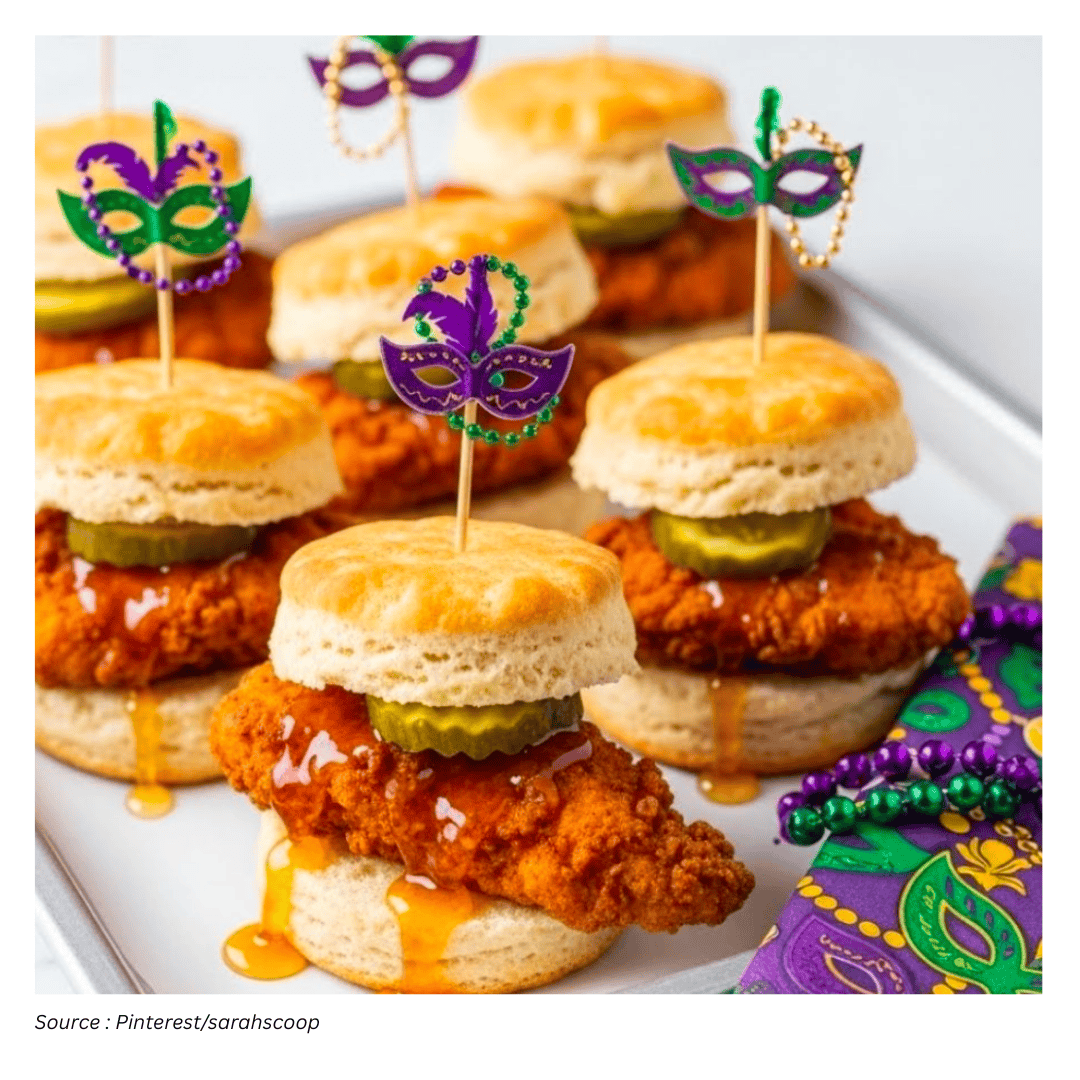
Mardi Gras food is built for celebration
Mardi Gras is, by design, a day of excess. Arriving at the end of Carnival season and immediately before Lent, it’s a celebration that leans into indulgence—especially at the table. In New Orleans, the holiday is famously marked by parades, elaborate costumes, and a steady stream of delicious food that’s meant to be shared. If you’re planning a Fat Tuesday gathering at home, the most helpful way to think about the menu is not as a single “traditional” meal, but as a generous spread: a mix of snackable appetizers, hearty mains, and desserts that feel festive and a little over the top.
The good news is that you don’t need to master every classic at once. New Orleans cooking has deep roots and a wide range of influences, and many party-friendly dishes can be approached in a way that’s welcoming for beginners. Whether you’re making a full-on traditional recipe like gumbo or simply borrowing the flavors—Creole seasoning, a roux-based sauce, or the “holy trinity” of aromatics—there are plenty of ways to bring Mardi Gras energy into your kitchen.
Why New Orleans flavors feel so distinctive
One of the most remarkable things about traditional New Orleans food is how clearly it reflects influences from cuisines around the world. French, Caribbean, Italian, and West African traditions are all part of the story, shaping what many people now recognize as modern Cajun and Creole cooking. For home cooks, that global lineage translates into food that’s layered and aromatic: savory bases built from onion, green bell pepper, and celery; sauces enriched with butter and flour; and dishes that balance richness with spice and brightness.
If you’re unfamiliar with Cajun and Creole cuisine, it’s completely reasonable to start with recipes that are “inspired by” those flavors. A Cajun seasoning blend, a tangy remoulade, or a creamy sauce with bold aromatics can transform familiar formats—pasta, sliders, fried seafood—into something that feels immediately Mardi Gras-ready without requiring you to learn an entirely new cooking style overnight.
How to plan a Mardi Gras party menu
A strong Mardi Gras spread usually benefits from variety: something fried and snackable, something saucy and comforting, something starchy to soak up flavors, and a dessert that signals Carnival season. Many hosts also like to include at least one iconic New Orleans sandwich element—either the muffuletta or the po’ boy—because those flavors instantly evoke the city.
Below is a practical way to organize your menu using dishes and ideas that fit the occasion. You can scale up or down depending on your crowd, but the overall structure helps ensure the table feels abundant without becoming chaotic.
- Start with appetizers: choose one or two handheld bites plus a dip.
- Add a centerpiece: a stew (like gumbo) or a saucy skillet dish.
- Include a starch: rice, pasta, or grits to round out the meal.
- Finish with a signature sweet: king cake in some form, or beignets dusted in sugar.
Appetizers and party bites that bring the New Orleans vibe
Mardi Gras food is often bold, shareable, and designed for grazing—perfect for a party where people are moving around, talking, and coming back for “just one more bite.” If you want appetizers that feel special but still approachable, look for recipes that use familiar party formats and layer in Cajun or Creole elements.
Shrimp po’ boy burger with remoulade is a playful twist on a Louisiana classic. Instead of a traditional sandwich build, it pairs cornmeal-crusted shrimp burgers with a tangy homemade remoulade sauce. The combination of juicy shrimp and Creole seasoning is the kind of flavor profile that immediately reads as New Orleans-inspired, even if your guests have never been there.
Cajun crab cake sliders are another crowd-pleaser that turns a restaurant-style favorite into party food. The crab cakes get a Cajun kick from sautéed trinity vegetables, Cajun seasoning, and lemon pepper seasoning. After a quick pan-fry, they’re stacked on slider buns with remoulade sauce, tomato, and crisp lettuce—an easy way to serve something that feels elevated without requiring formal plating.
Cheesy shrimp and grits bites take a Southern staple and make it finger-food friendly. In this version, smoked gouda grits are breaded and fried until golden and crisp, then topped with saucy Cajun-spiced shrimp and fresh scallions. The appeal here is contrast: crunchy outside, creamy inside, and a punchy topping.
If you want a dip that doubles as a conversation starter, consider a muffuletta-inspired dip. The muffuletta sandwich is known for its mix of cured meats and briny, olive-forward ingredients like roasted red peppers and other pickled elements. Turning those flavors into a scoopable dip is a smart party move: it captures the spirit of the sandwich while making it easier to share.
Comforting mains: gumbo, étouffée, and red beans
When it comes to Mardi Gras, the mains tend to be the kind of food that makes people linger at the table. New Orleans comfort cooking often revolves around slow-building flavor—roux, aromatics, and seasoning—resulting in dishes that are hearty without being one-note.
Gumbo is often described as a true melting-pot dish, and it earns that reputation. A hearty stew filled with shrimp, sausage, and signature seasoning, it’s centered around a flavorful roux and the “holy trinity” of Southern cooking: aromatic onions, celery, and bell peppers. For a party, gumbo is also practical: it can be made in a big pot and served throughout the evening, giving guests a warm, satisfying option between snacks and sweets.
Étouffée is another classic that signals Mardi Gras immediately. The word “étouffée” is French for “smothered,” which fits the dish’s character. In a crawfish-focused spin, vegetables and seafood are covered in a savory butter-and-flour-based gravy (a roux). Served over white rice, it becomes the kind of meal that feels both celebratory and deeply comforting, with the rice acting as a sponge for the rich sauce.
Red beans and rice stands in a category of its own. It’s known for a rich, gravy-like texture created as the beans absorb smoky, porky, spicy, and earthy flavors and release starch. Spooned over steamed white rice, it’s satisfying, familiar, and built for seconds—exactly what you want on a holiday centered on indulgence.
Seafood and Southern staples that fit the moment
Mardi Gras menus often lean into seafood, whether in sandwiches, stews, or fried platters. If you’re looking for something that feels like a special-occasion treat, fried fish is a reliable route—especially when the seasoning and marinade do some heavy lifting.
Extra-crispy catfish can be achieved with a buttermilk and hot sauce marinade. It may sound unexpected at first, but the payoff is an extra-flavorful, slightly spicy fish that fries up into crisp fillets that can compete with restaurant versions. Served alongside other party dishes, it adds a satisfying crunch and a straightforward, crowd-friendly option.
For a more classic comfort direction, shrimp and grits remains a staple for good reason. A rich, cheesy version—made extra-creamy with generous amounts of cheese and butter—fits the indulgent spirit of Fat Tuesday. Adding crispy bacon takes it further into “special occasion” territory, turning a familiar bowl into a centerpiece-worthy dish.
Pasta night, Mardi Gras edition: creamy Cajun spins
Not every Mardi Gras dish needs to be a historical classic to feel authentic to the party. One of the easiest ways to host confidently is to use a format you already know—like pasta—and introduce Cajun and Creole flavors through seasoning, sausage, aromatics, and creamy sauces.
Creamy Cajun stuffed shells are a good example of a comfort-food mashup done right. Inspired by stuffed shells, this version features a savory Cajun cream sauce and shells filled with andouille sausage and Cajun-seasoned chicken. It’s rich, filling, and easy to portion for a group.
Creamy Cajun shrimp pasta takes the richness of heavy cream and Parmesan and boosts it with a sofrito-type blend of aromatics and Cajun seasoning. The result is a dish that can satisfy Alfredo lovers while offering something more aromatic and bold than the standard weeknight version.
Smoked sausage Cajun Alfredo builds on what people love about fettuccine Alfredo, then adds the punchy spices and andouille sausage commonly associated with Cajun cuisine. If your table gravitates toward gumbo and jambalaya flavors, this pasta approach can feel like a natural next step—familiar, but unmistakably Mardi Gras-appropriate.
For a one-pan option that still delivers Louisiana-inspired flavor, Cajun-spiced chicken and gnocchi offers a skillet dinner approach that’s described as craveable and designed to bring New Orleans flavors into your kitchen in time for Mardi Gras. It’s a reminder that the holiday menu can be flexible: you can honor the flavor profile without limiting yourself to only one type of dish.
Skillet sides and vegetable-forward balance
Even in a holiday known for indulgence, a menu benefits from something that feels fresh and colorful. A skillet dish that combines vegetables with seafood can provide that contrast without breaking the overall theme.
Shrimp and tomato succotash skillet is an amped-up take on succotash featuring blistered tomatoes and charred corn tossed with onion, bell peppers, lima beans, and seared Cajun-spiced shrimp, finished with torn basil. It reads as vibrant and abundant, and it works nicely alongside heavier mains like gumbo or creamy pasta.
Sandwich lore: the muffuletta and why it matters
Some Mardi Gras foods are iconic not just for flavor, but for the stories attached to them. The muffuletta is one of those dishes. It was first served at an Italian deli in Louisiana founded by Sicilian immigrant Salvatore Lupo in 1906. Sicilian farmers would stop by in between shifts at the French Market and juggle plates of olives, salumi, and cheese for lunch. To make it easier to eat, Lupo put the ingredients between two pieces of bread—creating the muffuletta.
For a party host, that history is useful in a simple way: it gives you permission to serve the flavor profile in multiple forms. A classic sandwich is great, but a dip that captures the same briny, cured-meat richness can be even better for a crowd, especially when guests are snacking between other dishes.
Dessert: king cake traditions and a cheesecake-bar twist
No Mardi Gras menu feels complete without a nod to king cake. Traditionally, king cakes are sweet pastries shaped into a ring (like a crown), topped with icing and colored sprinkles—gold for power, green for faith, and purple for justice. There’s also a well-known tradition: whoever finds the toy baby inside their slice is “king” for the year, and they’re on the hook to bring the cake next Mardi Gras.
If you love the idea of king cake but want a format that’s easy to portion for a party, king cake cheesecake bars offer a creative alternative. They combine rich, creamy cheesecake with sweet cinnamon roll dough, finished with purple, green, and gold sugar for that unmistakable Carnival look. Served on a platter, they deliver the festive colors and flavors while making it simple for guests to grab a square and keep mingling.
For a more classic New Orleans-style sweet, beignets are hard to beat. Deep-fried and pillowy, then liberally dusted with confectioners’ sugar, they’re the kind of dessert that feels instantly celebratory. They also fit the spirit of Mardi Gras perfectly: indulgent, messy in the best way, and best enjoyed fresh.
A practical checklist for building your Fat Tuesday spread
If you’re choosing from multiple dishes and want a quick way to finalize your plan, this checklist keeps the menu balanced while staying true to the flavors described above.
- Pick 2–3 appetizers: shrimp po’ boy burgers, crab cake sliders, shrimp & grits bites, or a muffuletta-style dip.
- Choose 1 hearty main: gumbo, crawfish étouffée over rice, or red beans and rice.
- Add 1 “comfort carb”: creamy Cajun shrimp pasta, Cajun Alfredo with smoked sausage, or Cajun stuffed shells.
- Include 1 lighter skillet dish: shrimp & tomato succotash to bring color and contrast.
- Finish with dessert: king cake cheesecake bars or classic beignets.
Bringing it all together
The most memorable Mardi Gras menus aren’t necessarily the most complicated—they’re the ones that feel generous, flavorful, and unmistakably festive. By leaning into Cajun and Creole seasonings, the holy trinity of aromatics, and iconic New Orleans formats like po’ boys, muffulettas, gumbo, and king cake, you can build a party table that captures the spirit of Fat Tuesday. Whether you go traditional with a roux-based stew or take the “inspired by” route with creamy Cajun pasta and sliders, the goal is the same: an abundant spread that invites people to eat, share, and celebrate.