
Easy Sushi Rolls at Home: A Simple, Flexible Guide to Maki
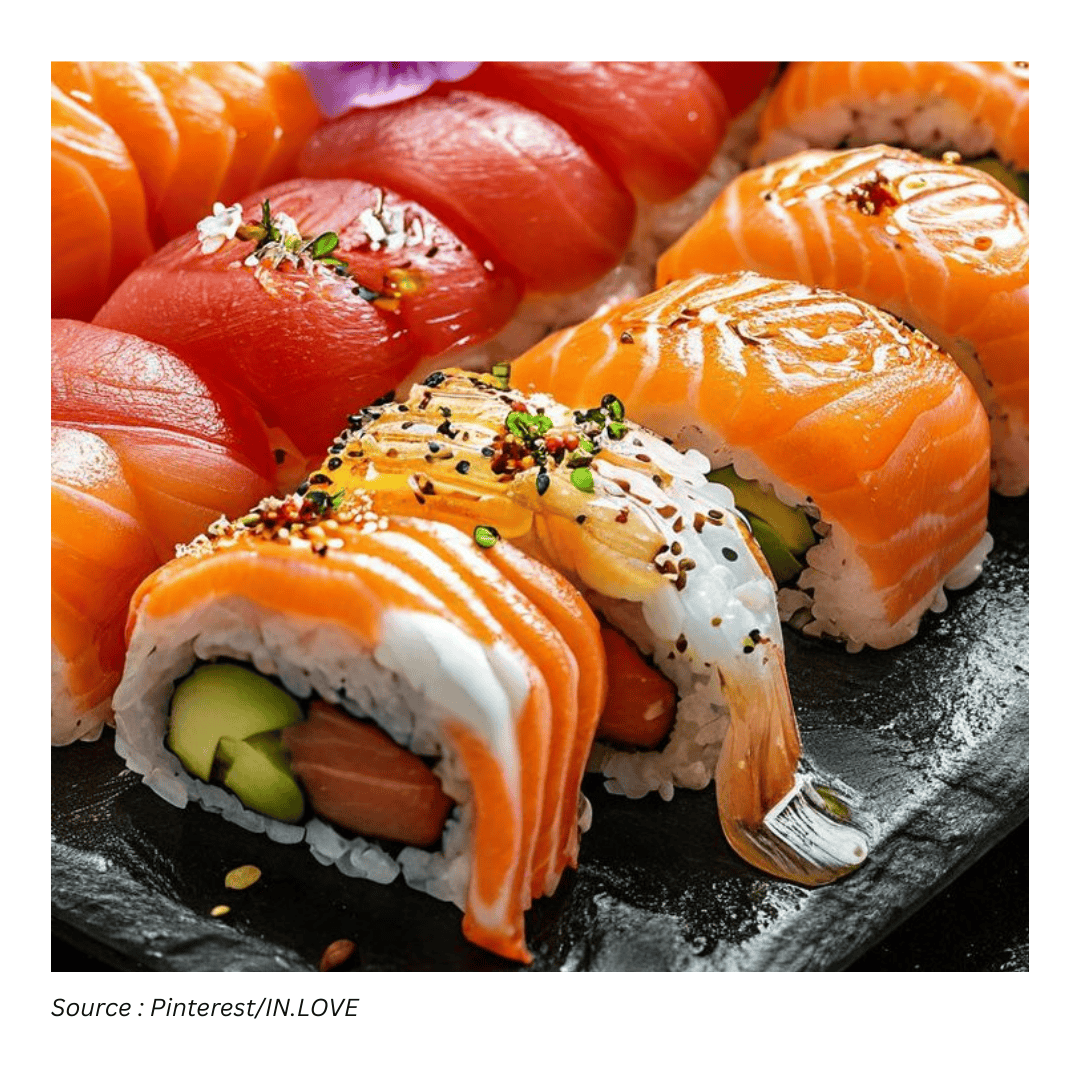
Homemade sushi rolls can be simpler than you think
Sushi can feel like one of those foods that “belongs” to restaurants—beautifully cut, precisely rolled, and served with an air of expertise. But making sushi rolls (maki rolls) at home is often far more doable than most people expect. The process is straightforward, and the biggest advantage is also the most fun part: you decide exactly what goes in your rolls.
If you’ve been missing restaurant sushi, making maki at home can be a surprisingly satisfying routine. It does take a bit of prep time—washing and organizing ingredients, setting up a rolling station, and slicing the finished rolls. But once you get a rhythm going, it’s possible to produce a big batch without turning it into an all-day project. For many home cooks, the experience becomes a weekly ritual: a relaxed kitchen “assembly line,” a simple set of fillings, and a drizzle of spicy mayo to finish.
This guide focuses on a practical, no-frills approach. The goal isn’t to claim a perfectly traditional technique or to require specialized tools. Instead, it’s about using what you already have, keeping the ingredient list minimal, and still ending up with delicious sushi you’ll actually want to make again.
What you need: the core ingredients (and where to find them)
Aside from fresh produce and any fish you choose to use, many of the foundational sushi ingredients are typically available in the Southeast Asian section of a standard grocery store. If your local store doesn’t carry them, they can also be ordered online. And if you plan to make sushi more than once, buying a few staples in bulk can help keep costs down.
Here are the main pantry-style items that commonly form the base of homemade maki:
- Rice (commonly purchased specifically for sushi-making)
- Nori (seaweed sheets used to wrap rolls)
- Soy sauce (for serving)
- Pickled ginger (for serving)
- Wasabi paste (for serving)
Because fillings and toppings are completely customizable, the rest of your shopping list depends on what you love. Some people keep it very simple—just a few fillings and a sauce—while others turn it into a build-your-own spread. Either approach works; the key is to prep everything before you start rolling so the process stays smooth.
Equipment: keep it basic, upgrade only if you want to
You don’t need a drawer full of specialty gear to make sushi rolls at home. A basic setup can be as simple as:
- A cutting board
- A sharp knife
- A bowl of water (to dip your fingers so rice doesn’t stick)
Many home cooks roll sushi successfully without a mat, shaping the roll by hand. The tradeoff is that the rolls may not be quite as tight. But if you’re just starting out, it’s often better to begin with what you already own and see whether sushi-making is something you enjoy.
When you’re ready to make rolling easier and more consistent, the first upgrade to consider is a basic bamboo sushi mat. It helps compress the roll more firmly and can make the process feel more controlled. If you find yourself making sushi and sashimi often and want long, clean cuts, you might also consider a knife designed for sushi—either stainless steel or non-stick—though it’s not required for good results.
A realistic timeline: simple steps, a bit of prep
The mechanics of making maki rolls are not complicated. What takes time is the setup: preparing fillings, organizing toppings, and getting your rolling station ready. If you have a friend or family member in the kitchen, teamwork can speed things up dramatically. One person can prep ingredients while the other assembles, or one can roll while the other slices and plates.
If you’re working solo, it helps to treat the prep as part of the experience. Put on music, pour a cold drink, and plan for an hour or so of comfortable, unhurried kitchen time. Once everything is prepped and laid out, the rolling itself can move quickly.
In broad strokes, the workflow looks like this:
- Gather your ingredients and tools, including a bowl of water for your hands.
- Prep your fillings and toppings so they’re ready to grab.
- Assemble and roll your maki, working one roll at a time.
- Slice with a sharp knife for clean pieces.
- Serve with your favorite sauces and classic sides.
That’s it. The details—what goes inside, what goes on top, and what you serve alongside—are where you can make the process your own.
Customization is the point: fillings, toppings, and styles
The best part of homemade maki rolls is flexibility. You can keep your rolls pared down and classic, or you can treat them like a canvas. Because the fillings and toppings are “100% up to you,” it’s worth experimenting over time to find the combinations you genuinely crave.
Some cooks like to stay super simple: a few fillings, then a drizzle of spicy mayo right before serving. Others prefer to mix sauce into the fillings so the flavor is distributed throughout the roll. There’s no single correct choice—only what tastes best to you and what feels easiest to assemble.
If you’re new to sushi-making, consider starting with a short list of fillings. Fewer ingredients make rolling easier and help you learn the feel of the process. Once you’re comfortable, you can expand into more elaborate combinations.
Spicy mayo: a fast, flexible sauce that does a lot of work
If you want one sauce that instantly makes homemade sushi feel “finished,” spicy mayo is a strong option. It’s quick to mix, easy to adjust, and works well drizzled on top of sliced rolls or stirred into the fillings.
To make it, whisk together:
- 1/4 cup Japanese mayo (or any mayo, or plain Greek yogurt)
- 4 teaspoons sriracha sauce
Taste and add extra sriracha if you want more heat. You can also add a tiny drizzle of toasted sesame oil and/or honey, if desired. Many people like to drizzle spicy mayo over the rolls just before serving, but mixing it into the fillings is also an option—especially if you’re packing rolls tightly and want the sauce inside.
An additional dipping sauce option
If you enjoy having more than one sauce on the table, another simple dipping sauce can be mixed from common pantry ingredients. One reader-shared combination includes:
- 1/3 cup soy sauce
- 3/4 teaspoon sugar
- A few slices of green onion
- A couple of drops of sesame oil
- 2 teaspoons rice wine vinegar
- 1 tablespoon water
Stir to combine, then serve alongside your rolls for dipping.
Rolling without a mat: what to expect
A sushi mat can make rolling easier, but it’s not a requirement. Rolling by hand works, especially when you’re keeping fillings simple and not overstuffing. The main difference is tightness: without a mat, your rolls may be a bit looser. That’s not a failure—just a natural result of using minimal equipment.
If you do decide to buy a mat later, it can be a small investment that noticeably improves consistency. But it’s also completely reasonable to begin without one, learn the basic motions, and upgrade only if you find yourself making sushi regularly.
Practical tips for a smoother sushi-making session
Even when the steps are simple, a few habits can make sushi-making feel much easier—especially when you’re aiming for a big batch.
- Prep everything first. Sushi assembly moves quickly once you begin, so it helps to have fillings sliced and ready to go.
- Keep a bowl of water nearby. Dipping your fingers helps prevent rice from sticking and makes handling easier.
- Use a sharp knife. Clean cuts help the rolls hold their shape and look neat on the plate.
- Consider teamwork. If you have a partner, one person can roll while the other slices, plates, and resets the station.
- Start simple, then experiment. Once you’re comfortable with the basics, you can try different fillings, toppings, and sauce approaches.
Most importantly, keep expectations realistic. Your first rolls may not look like restaurant sushi, and that’s fine. Many people find that the taste is what wins them over—and that each batch gets easier as you build familiarity.
Serving ideas: make it feel like a sushi night
Part of the appeal of sushi at home is turning it into an occasion, even if it’s casual. Once you’ve sliced your rolls, serve them with whatever classic sides you enjoy. Common accompaniments include soy sauce, pickled ginger, and wasabi paste. A drizzle of spicy mayo can add richness and heat, and a second dipping sauce can give the table a little variety.
Because homemade sushi is naturally customizable, it also works well for groups. You can set out fillings and let everyone build rolls to their own taste. Even if you’re cooking for just one or two people, laying out the ingredients in a simple “station” can make the process feel organized and relaxed.
Why people keep coming back to homemade maki
Home sushi-making tends to inspire repeat attempts for a few reasons. First, the directions are easy to follow once you’ve done it once or twice. Second, the process can be genuinely enjoyable—especially when it becomes a shared activity. And third, the results can be surprisingly satisfying, even when you keep everything minimal.
Many home cooks who try maki for the first time are struck by how possible it is. Some initially consider taking a class, then realize that with a detailed guide and a little patience, they can handle it at home. Others are simply happy to find a method that lets them recreate a restaurant-style experience in their own kitchen, on their own schedule.
There’s also a practical benefit: once you have the staples on hand, sushi nights can be affordable. If you plan to make it often, buying key items like rice, nori, soy sauce, pickled ginger, and wasabi paste in bulk can help reduce the cost per batch.
A simple takeaway: make sushi your way
Homemade sushi rolls don’t need to be intimidating, overly technical, or equipment-heavy. With a basic cutting board, a sharp knife, and a bowl of water, you can roll maki at home and tailor it to your preferences. Add a bamboo mat later if you want tighter rolls, and consider a sushi knife only if you decide this is a hobby you’ll stick with.
Keep the fillings and toppings as simple or as creative as you like, and don’t underestimate what a quick spicy mayo can do for flavor. Whether you’re making sushi as a weekly tradition or trying it once to satisfy a craving, the process is approachable—and, for many people, surprisingly fun.