
Chocolate Chip Scones With Lemon Glaze: A Bakery-Style Treat You Can Make at Home
A sweet treat when cookies feel too light
There are days when a sugary cookie doesn’t quite satisfy, but a full cake feels like too much. That’s where scones shine. With their crisp edges and buttery texture, scones offer something a little more substantial while still delivering a sweet, tender bite. A good scone holds together without crumbling apart, and it walks the line between pastry and bread in a way that makes it welcome at almost any time of day.
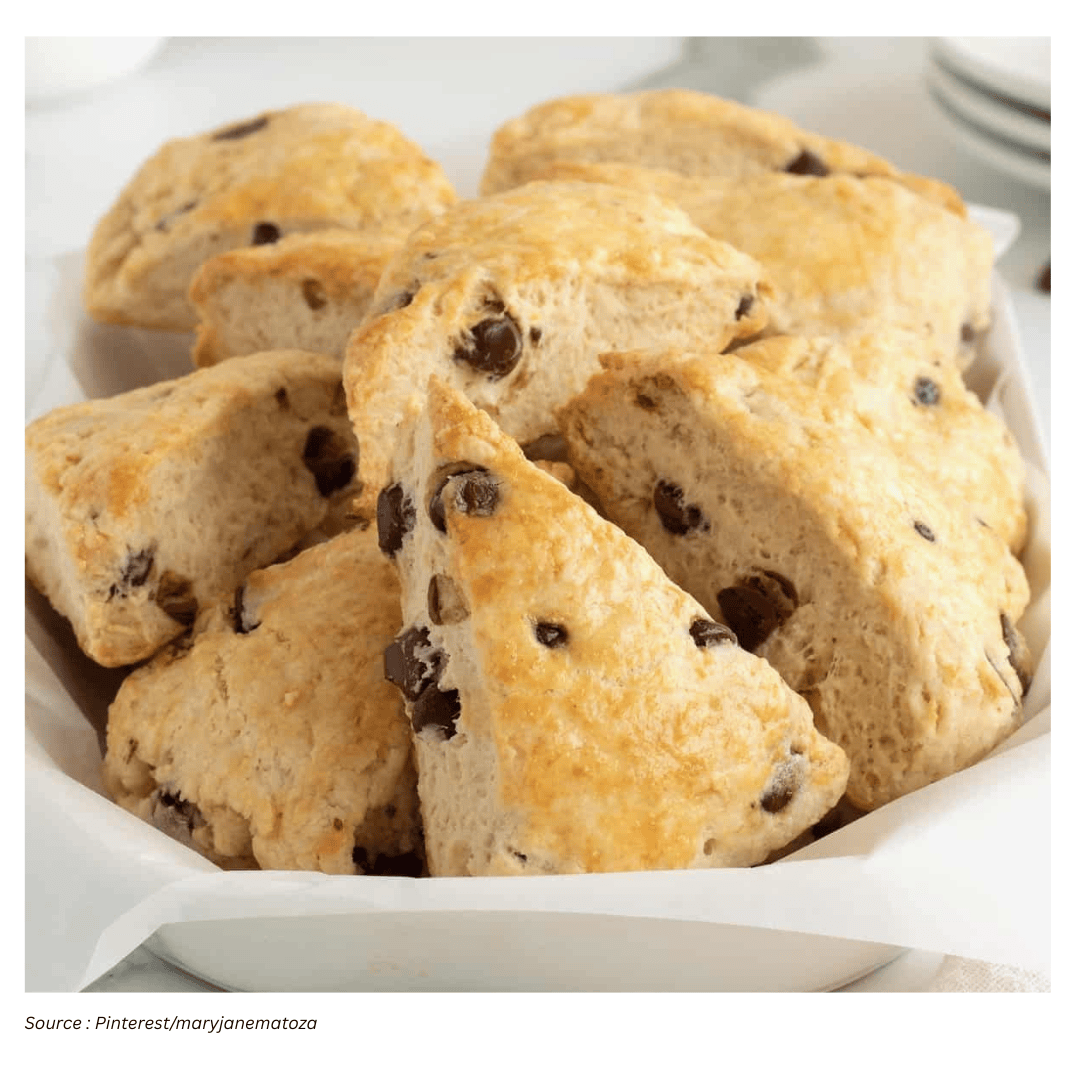
This chocolate chip version leans into everything people love about the format: a tender crumb, a slightly sweet dough, and small pockets of melted chocolate in every bite. The finishing touch is a lemon glaze drizzled lightly over the top, adding sweet citrus brightness and a tang that balances the richness of butter and chocolate. The result tastes like something you’d pick up from a high-end bakery, but it’s designed to be approachable in a home kitchen.
Why this recipe works for home bakers
One of the most practical advantages here is that the method doesn’t require a stand mixer or specialized tools. The approach is intentionally simple: a mixing bowl, a way to cut butter into flour (knives or your hands), and a baking sheet lined with parchment paper. That simplicity makes the recipe a strong option for a casual weekend bake, a quick contribution to a gathering, or a treat you can make without turning the kitchen into a full production.
These scones fit easily into everyday life. They work as a brunch item, an afternoon snack, a book club treat, or a small gift for neighbors. They’re also a natural match for coffee or tea—pleasantly sweet, but not so sugary that they overwhelm a warm drink.
Ingredients to gather before you start
The ingredient list is built from common baking staples plus a few key items that define the flavor. Before starting, it helps to check your pantry and refrigerator so the process stays smooth once you begin mixing.
- Dry ingredients: all-purpose flour, sugar, baking powder, baking soda, salt
- For the dough and flavor: unsalted butter (kept cold), buttermilk, vanilla extract, chocolate chips
- For the glaze: powdered sugar, lemon juice, vanilla extract
- Fresh citrus: one lemon (for juice, and optionally zest if you want more lemon character)
If you don’t have buttermilk on hand, it’s noted as something that’s easy to make yourself. Whether store-bought or homemade, the goal is to have it ready so the dough comes together quickly once the butter is incorporated.
Step-by-step method: from bowl to baking sheet
The process follows a classic scone technique: combine dry ingredients, cut in cold butter until crumbly, add chips, then bring everything together with a simple buttermilk-and-vanilla mixture. The dough is shaped into a disc, cut into wedges, briefly frozen, then baked at a high temperature for a short time.
Here is the full workflow, organized in a straightforward sequence:
- Line a baking sheet with parchment paper.
- In a large bowl, combine the flour, sugar, baking powder, baking soda, and salt.
- Add the butter cubes to the flour mixture and mix by criss-crossing 2 knives or by breaking down the butter cubes with your hands until crumbs have formed.
- Add the chocolate chips and stir lightly.
- In a small bowl, combine the buttermilk and vanilla.
- Pour the buttermilk mixture into the flour mixture and stir until just combined.
- Transfer the mixture to a floured surface and form the dough into an 8-inch circle about ¾-inch thick.
- Cut the disc in half, then half again, then half again, so you have 8 scones.
- Place them on the prepared baking sheet, press in the remaining chocolate chips, and freeze for 10 minutes.
- Remove the scones from the freezer and bake them for 12 minutes.
While the scones bake, the glaze comes together quickly, and it’s designed to be thick but still pourable so it drizzles rather than floods the surface.
- Add the powdered sugar to a small bowl and whisk in the lemon juice and vanilla until the glaze is smooth and thick but pourable.
- Cool the scones on a wire rack for at least 20 minutes.
- Drizzle the glaze over cooled scones and let it set for 5 to 10 minutes before serving.
What to expect: texture, flavor, and finish
These scones are meant to deliver contrast. The bake is done at high temperature for a short amount of time so the dough holds its shape and develops crispy edges while the center remains tender. The chocolate melts into small, rich pockets, and the lemon glaze adds a light layer of sweetness with citrus tang. Because the glaze is applied after cooling, it sets into a neat finish rather than soaking into the crumb.
The overall effect is balanced: buttery and sweet, but brightened by lemon. It’s the kind of pastry that feels special without being fussy.
Key techniques for consistently good scones
Scones are simple, but a few small decisions make a big difference in the final texture. The guidance here focuses on temperature, mixing, and structure—three areas that can quickly turn a tender scone into a dense one if ignored.
- Keep the butter cold. Cold butter is essential. If it becomes too soft, it combines too tightly with the flour, which can lead to dense scones instead of soft, flaky ones. Work quickly while cutting the butter into the dry ingredients so it stays cold.
- Mix only until combined. When adding the buttermilk mixture, stir just until everything comes together. Overmixing encourages gluten to form, which affects tenderness and can reduce rise. A lighter hand helps the scones rise higher and stay more delicate.
- Don’t skip the brief freeze. Freezing the shaped scones for 10 minutes chills the butter again and helps the wedges keep their shape in the oven. This step supports clean edges and a better overall structure during the quick, hot bake.
Even if high heat sounds intimidating, the short bake time is part of the design. The goal is to set the outside and encourage crispness while preserving a tender center.
Flavor variations you can make without changing the method
Once you’re comfortable with the base technique, it’s easy to customize the flavor while keeping the same mixing and shaping steps. The options below are all compatible with the core recipe and are best treated as mix-ins or small swaps rather than major structural changes.
More citrus character
- Add about 1 teaspoon of lemon zest to the dough for a stronger lemon note.
- For a different citrus twist, use orange zest in the dough and orange juice in the glaze.
Add fruit for a softer, jammy contrast
- After cutting the butter into the flour, add 1 cup of blueberries, raspberries, or chopped strawberries.
- If using frozen fruit, do not thaw it. Toss it with 1 tablespoon of flour before adding to help dry out some of the moisture.
Bring in nuts for crunch
- Toasted chopped pecans or walnuts add texture and a deeper, roasted flavor.
Use spices to shift the mood
- Cinnamon works on its own for a warm, familiar profile.
- For chai-spiced scones, use a mixture of cinnamon, powdered ginger, cardamom, and cloves.
- Pumpkin pie spice suits a fall-leaning variation.
- Espresso powder can provide a mocha-like note alongside the chocolate.
Swap the chips to change the sweetness
- Instead of chocolate chips, substitute peanut butter chips, caramel chips, or white chocolate chips.
These adjustments are especially useful if you want to make the same base recipe repeatedly without it feeling repetitive. The structure stays the same; the personality changes with a small handful of ingredients.
Serving ideas and occasions
Because the scones are both sturdy and tender, they travel well and present nicely once glazed. They’re a natural choice for brunch spreads, where their bakery-style look fits right in. They also work as an afternoon snack—substantial enough to feel like a real break, but still light enough to pair with coffee or tea.
If you’re sharing them, the lemon glaze helps them look finished and intentional, which is useful for casual gifting. And because the recipe doesn’t rely on fancy equipment, it’s also a friendly option when you want to bake something special without committing to a complicated project.
A simple formula to keep in your baking rotation
At its core, this recipe is about dependable technique: cold butter for flakiness, minimal mixing for tenderness, and a short freeze to help the wedges hold their shape. The chocolate chips deliver comfort and richness, while the lemon glaze adds a bright counterpoint that keeps each bite from feeling heavy.
Once you’ve made the base version, the same approach opens the door to citrus swaps, fruit additions, toasted nuts, warm spices, and different types of baking chips. That flexibility—combined with a straightforward, bowl-and-spoon method—makes these chocolate chip scones an easy candidate for repeat baking whenever you want something a little more substantial than a cookie.