
How to Choose Healthy Dog Food: 10 Vet-Informed Recipes That Stand Out
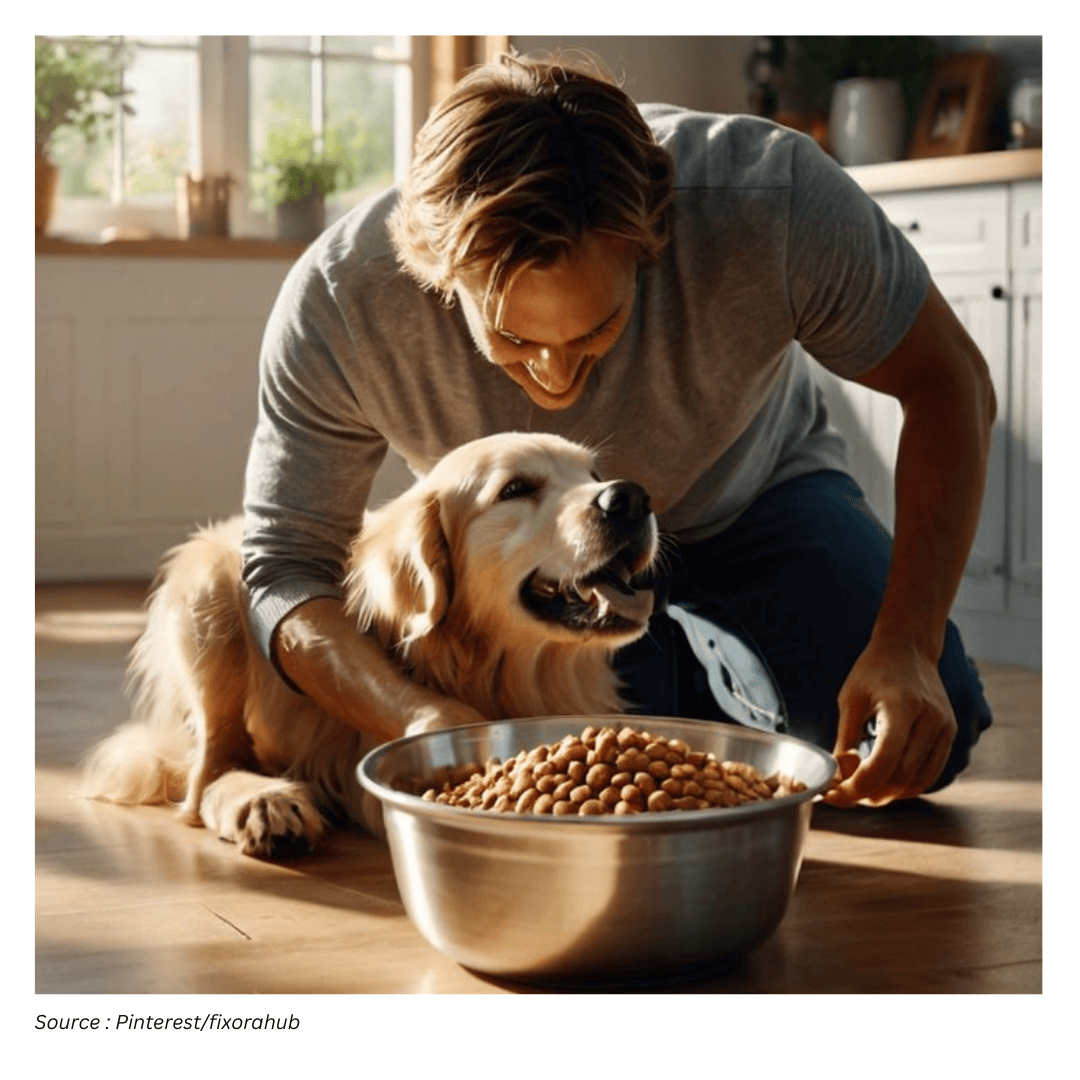
What “healthy dog food” means in practice
Choosing a healthy dog food usually comes down to reading the label with a clear plan. Veterinarian guidance often emphasizes a few repeatable checkpoints: identify the main protein sources, look for carbohydrates that make sense for the formula, confirm there is a fiber source to support digestion, and note any functional additions that may benefit joints, skin, coat, or gut health. Finally, compare calorie density and the food’s macronutrient profile to your dog’s life stage, size, and activity level.
The recipes below stood out because they clearly list primary proteins, provide recognizable carbohydrate and fiber sources, and often include “healthy extras” such as omega fatty acids, prebiotics, probiotics, glucosamine, chondroitin, or other functional ingredients. They also provide specific nutritional breakdowns—protein, fat, fiber—and calorie information, which can help you match a product to your dog’s needs.
How to evaluate a recipe: a quick checklist
Start with the protein list. Many formulas lead with chicken, fish, beef, or organ meats; others use meals or byproduct meals. The key is knowing what the primary protein sources are and whether they align with your dog’s preferences and tolerance.
Scan the carbohydrate sources. Common options in these recipes include rice, barley, oatmeal, brown rice, whole grain wheat, whole grain corn, and other grain-based ingredients.
Look for fiber support. Several recipes include beet pulp or powdered cellulose, and one includes inulin—ingredients commonly used to support digestive function.
Note functional add-ins. Depending on the recipe, you may see omega fatty acids (often from fish oil), linoleic acid (from soybean oil), prebiotics, probiotics, glucosamine, chondroitin, or L-carnitine.
Match calories and macros to your dog. Calorie density varies widely across foods. Protein, fat, and fiber percentages can help you narrow choices for active dogs, normal-weight dogs, small breeds, large breeds, or dogs needing higher fiber.
10 vet-informed recipes that stood out
Below are 10 options spanning dry and wet formats, plus a brand offering gently cooked fresh frozen recipes and shelf-stable meals. Each entry highlights the main protein sources, key carbohydrates, notable fiber ingredients, functional additions, and the provided macro and calorie details.
1) Dry recipe with chicken and poultry byproduct meal, plus joint and gut support
Main proteins: Chicken and poultry byproduct meal lead the list of proteins.
Carbohydrates: Rice, whole grain wheat, and whole grain corn are included.
Fiber source: Beet pulp provides fiber.
Healthy extras: Glucosamine, omega fatty acids, prebiotics, and probiotics.
Nutrition snapshot: 26% protein, 16% fat, 3% fiber. 369 kcal per cup.
Best fit noted: A good option for moderately active, normal-weight dogs.
2) Adult dry kibble with chicken, chicken meal, and turkey meal
Main proteins: Chicken, chicken meal, and turkey meal provide healthy protein.
Carbohydrates: Barley, oatmeal, and brown rice.
Nutrition snapshot: 22% protein, 12% fat, 4.5% fiber. 329 kcal per cup.
Best fit noted: Ideal for healthy, active, normal-weight adult dogs of all breeds.
3) Wet food for adult dogs (ages 1 to 6) featuring beef and pork liver
Main proteins: Beef and pork liver are the main protein sources.
Carbohydrates: Whole grain corn and cracked pearled barley.
Fiber and prebiotic support: Prebiotic dried beet pulp is included.
Nutrition snapshot: 25.5% protein, 14.2% fat, 1.9% fiber. 363 kcal per 13-ounce can.
4) Higher-calorie dry food with chicken, poultry byproduct meal, and fish meal
Main proteins: Chicken, poultry byproduct meal, and fish meal.
Carbohydrates: Rice, corn gluten meal, whole grain corn and wheat, and corn germ meal.
Healthy extras: Omega fatty acids from fish oil and linoleic acid from soybean oil.
Nutrition snapshot: 28% protein, 18% fat, 3% fiber. 456 kcal per cup.
5) Wet recipe with pork-focused proteins and very high fiber
Main proteins: Pork byproducts, pork liver, chicken, chicken byproducts, and pork plasma.
Carbohydrates: Wheat flour and wheat gluten.
Fiber sources: Powdered cellulose and beet pulp provide fiber.
Beneficial additions: L-carnitine, glycine, and fish oil.
Nutrition snapshot: 39.13% protein, 15.21% fat, 12.63% fiber. 345 kcal per can (or 25.5 kcal per ounce).
6) Feeding-trial-tested dry food for moderately active small breed dogs
Main proteins: Chicken and poultry byproduct meal.
Carbohydrates: Rice, whole grain corn, and whole grain wheat.
Testing note: This food has undergone feeding trials to ensure its nutrition.
Nutrition snapshot: 29% protein, 17% fat, 3% fiber. 397 kcal per cup.
Best fit noted: Recommended for moderately active small breed dogs.
7) Large-breed dry food with joint-support extras
Main proteins: Chicken byproduct meal and corn protein meal.
Carbohydrates: Wheat and brown rice.
Beneficial healthy extras: Dried plain beet pulp, fish oil, L-carnitine, glucosamine, and chondroitin.
Nutrition snapshot: 24% protein, 15% fat, 3.2% fiber. 360 kcal per cup.
8) Wet food with fish, liver, and salmon plus inulin for digestive support
Main proteins: Fish, liver, and salmon.
Carbohydrates: Rice and oatmeal.
Fiber for gut health: Inulin is included as a dietary fiber that promotes digestion and supports gut health.
Nutrition snapshot: 35% protein, 22.7% fat, 2.6% fiber. 370 kcal per 13-ounce can.
9) Feeding-trial-tested, lean-protein dry food with very high fiber and lower fat
Main proteins: Chicken meal is the lean protein source.
Carbohydrates: Cracked pearled barley, whole grain wheat, whole grain corn, brewers rice, and whole grain oats.
Fiber ingredients: Powdered cellulose and dried beet pulp.
Beneficial addition: L-lysine.
Nutrition snapshot: 25.3% protein, 8.1% fat, 12.2% fiber. 243 kcal per cup.
10) Gently cooked fresh frozen recipes and shelf-stable meals (variety and special diets)
Format and range: Offers six gently cooked fresh frozen recipes, four shelf-stable meals, variety packs, and special diets.
Research note: These options are backed by industry-leading research.
How to match these options to your dog’s needs
Once you’ve narrowed the list to a few recipes with proteins and ingredients you’re comfortable with, the next step is matching the nutritional profile to your dog’s day-to-day life. The information provided for these foods makes that comparison easier.
Moderately active, normal-weight dogs: One dry recipe is specifically described as a good option for moderately active, normal-weight dogs, with 26% protein, 16% fat, 3% fiber, and 369 kcal per cup.
Healthy, active adult dogs: A kibble with chicken, chicken meal, and turkey meal is described as ideal for healthy, active, normal-weight adult dogs, offering 22% protein, 12% fat, 4.5% fiber, and 329 kcal per cup.
Small breed dogs: A feeding-trial-tested dry recipe is recommended for moderately active small breed dogs, with 29% protein, 17% fat, 3% fiber, and 397 kcal per cup.
Large-breed dogs and joint-focused formulas: A large-breed dry food includes glucosamine and chondroitin alongside fish oil and L-carnitine, with 24% protein, 15% fat, 3.2% fiber, and 360 kcal per cup.
Dogs needing more fiber or a lower-fat profile: Two recipes stand out for high fiber: a wet option with 12.63% fiber and a dry option with 12.2% fiber (and 8.1% fat). These profiles may be useful when fiber is a priority, as long as the overall formula fits your dog.
Wet-food preferences: Several wet recipes list clear protein sources (including beef and pork liver; or fish, liver, and salmon) and provide per-can calorie totals, which can help with portion planning.
Ingredient patterns worth noticing
Across these recipes, a few themes repeat. Beet pulp appears multiple times as a fiber source, sometimes described specifically as prebiotic dried beet pulp. Fish oil is also a common addition, typically associated with omega fatty acids. Some formulas include glucosamine (and in one case chondroitin), which are often highlighted as “healthy extras.”
The carbohydrate lists are grain-forward in these examples—rice, barley, oatmeal, brown rice, wheat, and corn appear frequently. That consistency can be helpful when comparing foods side by side, because you can focus on differences in protein sources, fiber level, calorie density, and added functional ingredients.
Putting it all together
A healthy dog food choice is rarely about a single “best” product and more about fit: the right protein sources, an appropriate calorie level, and a macronutrient profile that matches your dog’s size, age, and activity. The 10 recipes above provide unusually clear snapshots of proteins, carbohydrates, fiber sources, and functional additions—details that make it easier to compare options without guessing.
If you’re deciding between two similar foods, use the provided numbers as tie-breakers: calorie density per cup or per can, protein and fat percentages for energy needs, and fiber percentage when digestive support is a goal. When available, notes like feeding trials and research backing can also help you feel more confident that the nutrition is supported beyond the ingredient list.