Food Delivery Apps in the US, UK, and Canada: Major Platforms, Market Shifts, and What People Order
A new normal for dining: from occasional takeout to everyday ordering
Over the past two decades, the way people eat has changed dramatically. What used to be a narrow set of third-party delivery choices—often centered on pizza and Chinese takeout—has expanded into a broad, app-driven marketplace where customers can browse countless cuisines and place an order in seconds. This shift isn’t just about convenience; it reflects a larger transformation in consumer behavior, technology, and the role food delivery plays in daily life.
By 2025, the food delivery market is valued at more than $300 billion, more than double its size in 2017. That growth has been fueled by increasingly user-friendly mobile interfaces, real-time tracking, and the ability to explore restaurants beyond one’s immediate routine. In a globally connected food culture, delivery apps have become a gateway to variety—comfort food one night, international specialties the next—without requiring time for travel, waiting, or planning.
The pandemic accelerated many of these changes. Contactless delivery options and stricter hygiene regulations reduced exposure risks and helped normalize delivery as a default option rather than an occasional treat. Even as pandemic conditions eased, the habits formed during that period continued to influence expectations: minimal human interaction, fewer points of friction, and a streamlined ordering experience.
At the same time, delivery apps now serve multiple audiences. Busy professionals, students, and families all use delivery for different reasons, but the underlying appeal is the same: it saves time and adds flexibility. As consumer demand grows and technology continues to evolve, food delivery apps appear positioned to remain a routine part of everyday life well beyond 2025.
Technology and convenience: why apps keep winning attention
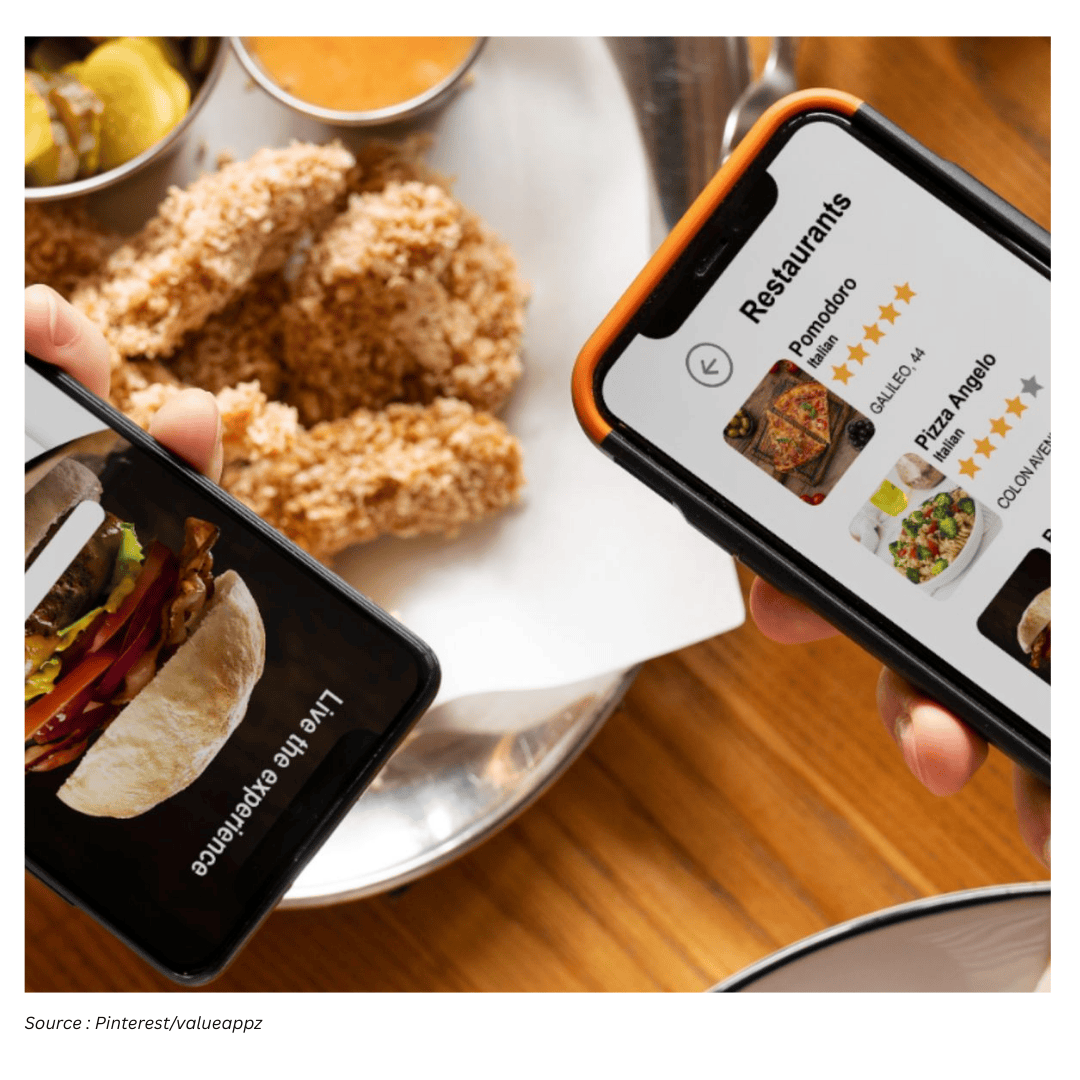
Food delivery apps have become popular not only because they offer more restaurant choice, but also because they reduce the effort required to place and manage an order. Modern platforms typically emphasize simple navigation, clear menus, and real-time tracking that lets customers follow a delivery from pickup to doorstep. These features matter because they remove uncertainty—users can see progress, anticipate timing, and make quick decisions without needing to call a restaurant.
Another factor is communication. In several markets, the appeal includes hassle-free delivery and minimal human interaction, which can reduce miscommunication. For many customers, that means fewer errors, fewer back-and-forth conversations, and a more standardized process.
These practical benefits help explain why food delivery has become embedded in daily routines. The apps are not just a digital replacement for calling a restaurant; they are structured systems designed to make ordering fast, repeatable, and predictable.
The United States: a fast-growing market dominated by a few major players
The United States has seen explosive growth in food delivery. The market size reached $26.1 billion in 2022 and is estimated to grow to $46.5 billion by 2028. Several factors are tied to this expansion, including busy lifestyles, a sizable urban population, and a lack of household help. Together, these conditions make convenience-oriented services more attractive and, for many households, more necessary.
Food delivery usage in the US also connects to specific consumer demographics. Apps are mainly used by 18- to 29-year-olds and lower-income earners, with lower-income consumers being more likely to use these services. This detail underscores an important point: delivery is not only a premium convenience product. In many cases, it functions as an accessible tool for people balancing time constraints and daily responsibilities.
When it comes to market share, the US is highly concentrated. DoorDash dominates with 65% of the market, followed by Uber Eats at 23%. Other notable players include Grubhub and Postmates. The scale of DoorDash’s lead suggests that, for many restaurants and customers, the platform is a default choice—often the first app opened when deciding what to eat.
Food choices in the US delivery ecosystem also show clear patterns. Pizza remains one of the most delivered items in the country. In 2021, consumer spending on pizza deliveries reached $19.8 billion, highlighting how a traditional delivery category continues to thrive even as new cuisines and restaurant types become easier to access through apps.
The United Kingdom: strong app adoption alongside health and environmental shifts
The UK’s online food delivery market has also grown rapidly, increasing 29.4% between 2018 and 2023. The current market size is valued at $3.3 billion and is projected to increase by 7.2% this year alone. While smaller than the US market, the UK shows a clear trajectory of growth and continued consumer engagement.
In terms of platform popularity, Just Eat stands out as the most widely used online food delivery app in the UK. In a 2022 consumer survey, 69% of participants said they had ordered from Just Eat in the previous 12 months. Deliveroo and Uber Eats were also widely used, with 48% of participants having used each of them. This indicates a competitive landscape where multiple apps remain relevant, even if one leads in broad reach.
Pizza is also a major category in the UK. Domino’s Pizza leads the pizza delivery market by enabling customers to order online via app and phone, showing how established brands can compete effectively by meeting customers where they already are: on mobile devices and digital ordering channels.
Beyond platform competition, the UK market highlights a notable shift in consumer priorities. A report covering 2022 found that the pandemic years had a major impact on spending and behavior. Over half of customers (56%) were more concerned about their finances than before the pandemic, and another 56% were holding back on making big purchases. In that context, food delivery can take on a different role: not necessarily a large expenditure, but a manageable reward or comfort that fits into tighter budgeting decisions.
Health and environmental considerations have also become more prominent. In the same period, 62% of adults said they became more health-conscious during the pandemic. Purchasing decisions increasingly reflect these priorities: 60% of UK consumers reported trying to control what they eat, and 82% said they were venturing into vegan food. In response to these changes, Deliveroo reported a 117% increase in demand for vegan food during the twelve months prior and hosts more than 15,000 plant-based and vegan-friendly restaurants and grocers.
These figures suggest that in the UK, delivery platforms are not only distribution channels; they are also adapting to changing dietary preferences by expanding the range of options available, particularly for plant-based eating.
Canada: rapid growth, strong brand preference, and sensitivity to fees
Canada’s online food delivery service market is projected to be worth more than $98 billion by 2027. Even before the pandemic, online ordering was a meaningful category: in 2019, Canadians spent $4.7 billion on online food orders. During the pandemic, that spending grew by 36%, reflecting a sharp change in how often people relied on delivery and digital ordering.
In terms of platform leadership, SkipTheDishes is Canada’s most popular food delivery app, used by 55% of Canadians. That level of adoption indicates strong brand recognition and a clear go-to platform for many households.
Ordering preferences in Canada lean heavily toward fast food, which is the most popular option ordered online. At the same time, the market shows a strong sensitivity to delivery costs: almost half of Canadians are not happy to pay extra for delivery services for online orders. This tension—high usage alongside reluctance to pay additional fees—helps explain why pricing structures, promotions, and perceived value can play an outsized role in customer satisfaction.
Comparing the three markets: growth rates, leaders, and what stands out
Across the US, UK, and Canada, food delivery spending has grown significantly over the last three years. Transaction growth between April 2020 and April 2021 shows how sharply consumer behavior shifted during the pandemic period:
- United States: transactions up 58%
- Canada: transactions up 86%
- United Kingdom: transactions up 171%
These numbers highlight that all three countries experienced substantial increases, with the UK seeing the steepest rise in transactions over that specific period.
Market leadership also follows a similar pattern across regions: third-party services dominate. DoorDash leads in the US, Just Eat leads in the UK, and SkipTheDishes leads in Canada. Despite these national leaders, there is also overlap in platform presence across countries, including apps such as DoorDash, Uber Eats, Zomato, and Just Eat.
The US stands out for its size and the presence of both national and regional platforms. Even among national apps, performance can vary by region. DoorDash dominates most regions, while Grubhub performs particularly well in northeastern states such as New York. This regional split suggests that local market dynamics—restaurant partnerships, consumer habits, and competitive positioning—still matter even in a largely app-driven environment.
Consumer preferences also differ. The UK has seen a notable shift toward healthier and more environmentally conscious eating, supported by large increases in demand for vegan options and expanded availability of plant-based restaurants and grocers on delivery platforms. In contrast, the US and Canada are described as being primarily geared toward fast food as the main choice for delivery.
Cost and logistics create further differences. Delivery charges in Canada tend to be higher due to longer distances. Service offerings can vary by platform as well; for example, Uber Eats provides grocery deliveries as an additional service, while grocery delivery options are described as rare in the US for some food delivery apps.
What the pandemic changed—and what appears likely to stay
The pandemic did more than temporarily boost food delivery volumes; it reshaped expectations around safety, convenience, and the overall ordering experience. Contactless delivery and hygiene measures reduced exposure risks, and many consumers became accustomed to the simplicity of app-based ordering. The broader shift toward relying on delivery apps is described as being “here to stay,” particularly as people’s schedules become busier and time-saving options become more appealing.
In the UK, the pandemic period also coincided with shifts in health consciousness and purchasing decisions. Financial caution increased for many consumers, while interest in controlling diet and exploring vegan food rose. These changes show how delivery platforms can reflect broader social and economic conditions, not just food preferences.
Trends shaping the next phase of food delivery
Several developments are positioned to influence how food delivery evolves. These trends focus on logistics, subscription models, and new ways of placing orders:
- Crowdsourcing drivers: platforms tapping into pools of independent drivers to complete deliveries.
- Food delivery subscriptions: options that support scheduled meal deliveries.
- Meal-kit services: partially prepared or pre-portioned meals that can align with healthier and environmentally conscious diets.
- Virtual assistants: tools such as Alexa being used to place food orders.
Taken together, these trends suggest a market that continues to diversify. Food delivery is no longer limited to restaurant meals delivered on demand; it is expanding into scheduled services, semi-prepared meal formats, and voice-enabled ordering workflows.
Bottom line: one category, three distinct market stories
Food delivery apps have become a defining feature of modern dining across the US, UK, and Canada, but each market has its own character. The US shows scale and concentration, with DoorDash holding a dominant share and pizza remaining a delivery powerhouse. The UK combines strong app adoption with visible shifts toward health-conscious and environmentally aware choices, including a surge in vegan demand and expanded plant-based availability. Canada shows rapid growth and strong platform preference for SkipTheDishes, alongside heightened sensitivity to delivery fees and a strong tilt toward fast food.
What unites all three is momentum: rising transaction volumes, continued technological improvements, and a consumer base that increasingly expects food to be orderable as easily as any other online service. As new models—subscriptions, meal kits, crowdsourced delivery, and virtual assistant ordering—gain attention, the industry’s next phase appears likely to be defined by flexibility, personalization, and continued innovation in how meals reach customers.