
Weeknight Bolognese: A Faster, Flavor-Packed Italian Meat Sauce for Busy Evenings
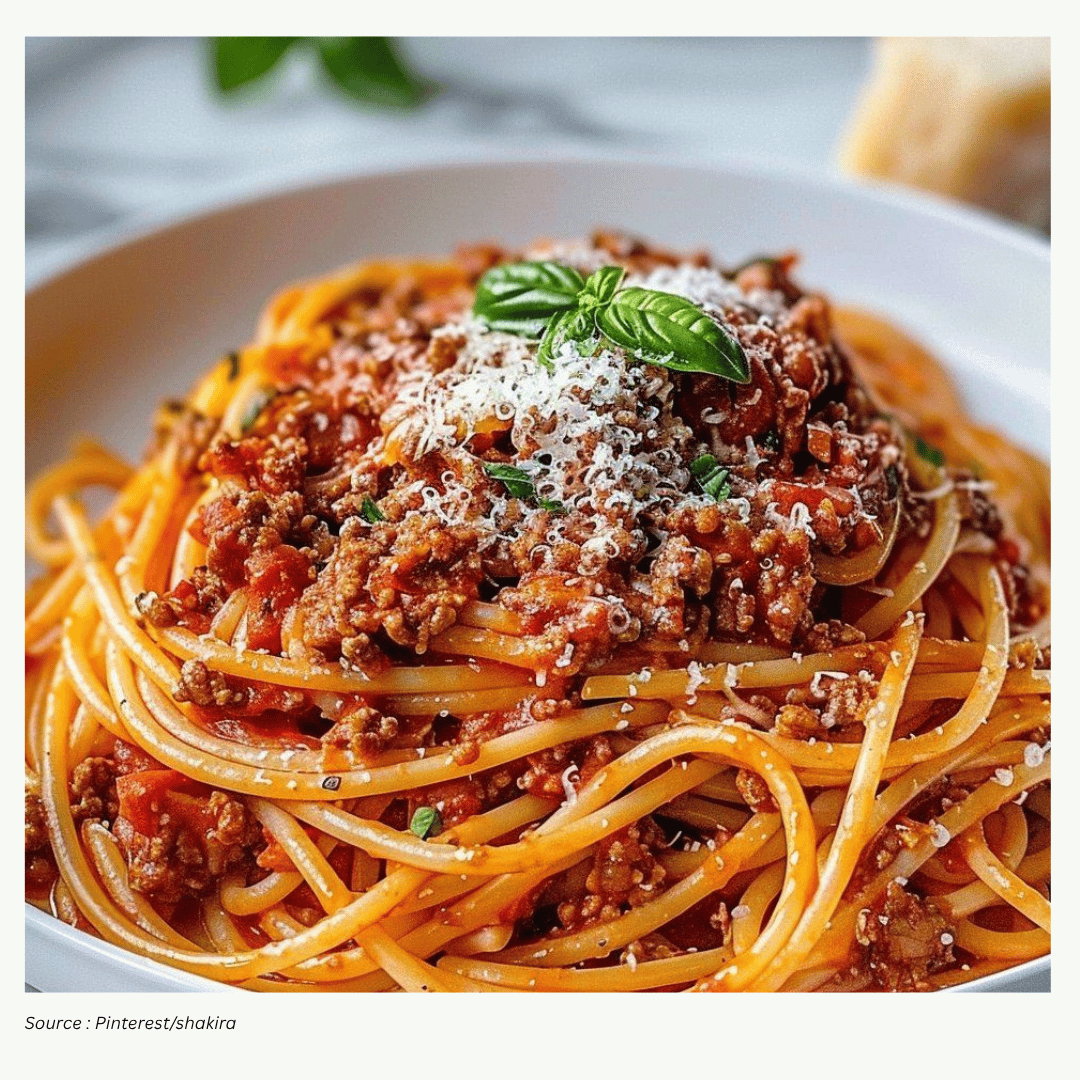
A comforting pasta night—without the all-day simmer
There are plenty of pasta dishes that fit neatly into a busy schedule—meals that feel special but don’t demand hours at the stove. Think of the weeknight-friendly options many home cooks reach for when time is tight: penne al baffo, bucatini cacio e pepe, garlic butter pasta, or spicy rigatoni. They’re quick, satisfying, and reliable.
Traditional bolognese, however, usually sits in a different category. It’s known as a slow-cooked, deeply developed meat sauce that can take anywhere from four to eight hours to reach its signature richness. That’s wonderful when you have a free weekend afternoon, but it’s not always realistic on a weeknight.
A weeknight bolognese aims to bridge that gap. It’s a quick and easy Italian-style meat sauce that’s still packed with flavor—built with a few deliberate shortcuts that help you get to that familiar, comforting result in far less time. The idea isn’t to replace the long-simmered version forever, but to offer a practical alternative that still tastes like something you’d happily serve to family or friends.
What makes this “weeknight” bolognese work
The key to a faster bolognese is choosing steps and ingredients that deliver depth efficiently. In a classic approach, time does much of the heavy lifting: tomatoes break down gradually, aromatics mellow, and the sauce thickens and concentrates over hours.
In a weeknight version, you can still build flavor in layers, but you rely on a couple of smart decisions:
Dried herbs help provide an herby backbone without needing a long simmer to extract flavor.
Tomato purée helps because the sauce is already broken down, which supports a richer texture and cohesive consistency more quickly.
With those shortcuts, you can get much closer to the taste and feel people expect from a sauce that’s famous for taking hours—yet still keep the process manageable for a weeknight dinner.
Ingredient flexibility: make it your own
One of the strengths of a weeknight bolognese is that it’s adaptable. Even when a recipe feels “pretty perfect,” it can still be adjusted to suit what you have on hand or what you prefer. The concept supports variation, whether you want to tweak herbs, adjust heat, or make small changes to the finishing ingredients.
For anyone cooking from a recipe card, it’s always worth remembering that the full ingredient list and step-by-step instructions typically live there. But the overall structure of this sauce is straightforward and forgiving, which makes it a good candidate for personalization once you’ve made it once or twice.
Step-by-step overview: how the sauce comes together
This bolognese is built in clear stages, each designed to add flavor quickly and efficiently. Here’s the flow of the cooking process, from the first sizzle of onion to the final toss with pasta.
1) Start with onion in olive oil
Begin by cooking chopped onion in a skillet with olive oil over medium heat. This step sets the foundation: the onion softens, becomes fragrant, and starts to create a savory base that will carry through the sauce.
Because this is a weeknight version, you’re not aiming for a long, slow caramelization. Instead, you want the onion to cook until it’s softened and aromatic—ready to support the meat and seasonings that follow.
2) Brown the beef
Once the onion is cooking, add the beef and brown it. Browning is one of the most important flavor-building steps in a meat sauce, and it doesn’t require hours—just attention. As the beef cooks, it develops deeper savory notes and creates browned bits on the bottom of the skillet.
Those browned bits matter. They’re concentrated flavor, and you’ll pull them into the sauce in the next step.
3) Add garlic, herbs, and red pepper flakes
After the beef has browned, add garlic along with herbs and red pepper flakes, cooking for another minute. This brief cooking time is enough to bloom the aromatics and spices without dulling their character.
In a quick sauce, this moment is where the kitchen starts to smell like dinner is truly happening. Garlic and herbs give the sauce its immediate warmth, while red pepper flakes add a subtle kick that can be adjusted depending on your preference.
4) Deglaze with wine
Next, deglaze the skillet with wine, scraping up any brown bits. Deglazing is a fast technique with a big payoff: the wine loosens the flavorful bits stuck to the pan and pulls them into the sauce, adding depth and complexity.
Wine isn’t just an optional flourish here—it’s described as a key ingredient for giving the bolognese its depth of flavor. A practical guideline is to use a wine you’d be willing to drink, since its flavor will concentrate as it cooks. The logic is simple: if it tastes good in the glass, it’s far more likely to taste good in your sauce.
5) Add tomato purée and tomato paste, then simmer
Once the pan is deglazed, add tomato purée and tomato paste, along with salt and pepper. Then let the sauce simmer for about 10 minutes.
This is where the weeknight strategy becomes clear. Tomato purée helps the sauce feel cohesive quickly, and the tomato paste contributes concentrated tomato flavor. A 10-minute simmer won’t mimic an all-day sauce exactly, but it gives the ingredients time to meld and the sauce time to thicken slightly—enough to create a satisfying, spoon-coating texture for pasta.
6) Finish with nutmeg, basil, and cream
After the simmer, add nutmeg, basil, and cream to the sauce. This finishing step is what pushes the sauce toward that classic bolognese character—rich, rounded, and comforting.
Nutmeg is used in small amounts, but it can make a noticeable difference, adding subtle warmth and a faint sweetness that complements the meat and tomatoes. Basil adds freshness, while cream softens the acidity of the tomatoes and gives the sauce a more luxurious mouthfeel.
7) Toss with pasta and Parmesan, then serve
To finish, stir in the pasta and Parmesan cheese and serve. Tossing the pasta directly in the sauce helps the flavors cling to every bite. Parmesan adds salty, savory depth and helps tie the sauce together at the end.
The result is a weeknight bolognese that delivers the kind of comfort people associate with a long-simmered meat sauce—yet it’s designed to be achievable on a regular evening.
What bolognese is—and how it differs from typical spaghetti sauce
Bolognese sauce is described as a meat-based sauce that includes tomatoes, wine, and either milk or cream, and it originated in Bologna, Italy—hence the name. That combination is central to its identity: meat for savoriness, tomatoes for body and brightness, wine for depth, and dairy for richness.
It’s also distinct from what many people call “spaghetti sauce.” In general, spaghetti sauce is primarily tomatoes and does not include meat. That doesn’t make it better or worse—just different in structure and flavor. Bolognese tends to be heartier and more rounded, while a tomato-forward spaghetti sauce can be brighter and more straightforward.
Why wine matters in this recipe
Wine is highlighted as a key ingredient in building the sauce’s depth. It’s used to deglaze the pan, capturing the browned bits left behind from cooking the beef and aromatics. But it also contributes its own character, helping the sauce taste more layered even with a shorter simmer time.
One practical piece of advice stands out: use a wine you’d be willing to drink. Since you’re cooking with it, you’ll taste it in the final dish. And if you open a bottle for cooking, you’ll likely have some left—an outcome that’s framed as a bonus rather than a burden.
Storage: how long it keeps
Weeknight bolognese is a strong candidate for leftovers. Stored in an airtight container in the refrigerator, it will last about three days. If you want to keep it longer, it can also be stored in the freezer for up to three months.
That flexibility makes it useful not only for weeknight dinners, but also for meal planning. A batch can cover multiple meals, and freezing extends its usefulness well beyond the week it’s made.
Reheating leftovers without drying them out
Leftover pasta with bolognese can reheat well if you add a small amount of water to loosen the sauce. Two methods are suggested:
Skillet method (preferred): Place the leftover pasta in a skillet with a splash of water. Cook on medium-low until heated through. This approach helps the sauce re-emulsify and cling to the pasta again.
Microwave method: Place leftovers in a microwave-proof bowl with a splash of water and microwave for 1 minute. Stir, then microwave for another minute or until heated through.
In both cases, the splash of water is a small step that makes a big difference, helping restore the sauce’s texture and preventing the pasta from tasting dry.
Serving ideas and pairing notes
This weeknight bolognese is presented as satisfying on its own, but it can also be served with a variety of sides. The flexibility is part of its appeal: it can anchor a simple dinner or be the centerpiece of a more complete spread, depending on the time you have and the occasion.
Because the sauce is rich and comforting, it pairs naturally with sides that complement pasta night—whether you’re aiming for something light and balancing or something equally cozy. The main point is that the sauce is versatile enough to fit different styles of meals.
Equipment: why the right tools help
Equipment is noted as important to how the weeknight bolognese turns out. At a minimum, you’ll need a skillet for cooking the onion and browning the beef, and for simmering the sauce before tossing with pasta.
Even with a straightforward recipe, the right pan and basic tools make the process smoother: you want enough surface area to brown the beef effectively, and a pan that allows you to scrape up browned bits easily when deglazing with wine.
The takeaway: a practical path to classic comfort
A long-simmered bolognese will always have its place, especially when you want a project and have the time to let flavors deepen slowly. But a weeknight bolognese offers a realistic alternative—one that still captures the essence of what makes the sauce so beloved.
By cooking onion in olive oil, browning beef, layering in garlic and herbs, deglazing with wine, and finishing with tomato purée, cream, basil, and Parmesan, you can create a rich, comforting pasta sauce in a fraction of the time. It’s the kind of dinner that fits into a busy schedule while still feeling like a proper, satisfying meal.