
Homemade Oven-Baked Meatballs: A Simple, Flavor-Packed Recipe You’ll Want on Repeat
Why homemade meatballs still matter
Italian-inspired comfort food has a way of sticking with people. From breaded chicken parmesan to a hearty lasagna built around ground meat, these dishes tend to become staples because they’re familiar, satisfying, and easy to share. Among them, spaghetti and meatballs stands out as one of the most well-known and widely loved options—something many people remember eating as kids and still enjoy as adults.
Yet even with all that nostalgia and popularity, there’s one step that often gets skipped: making the meatballs from scratch. It’s understandable. Frozen meatballs are convenient, and they’re always within reach at the grocery store. But once you try a simple homemade version—especially one that’s oven-baked for ease—you start to see why taking a little extra time is worth it.
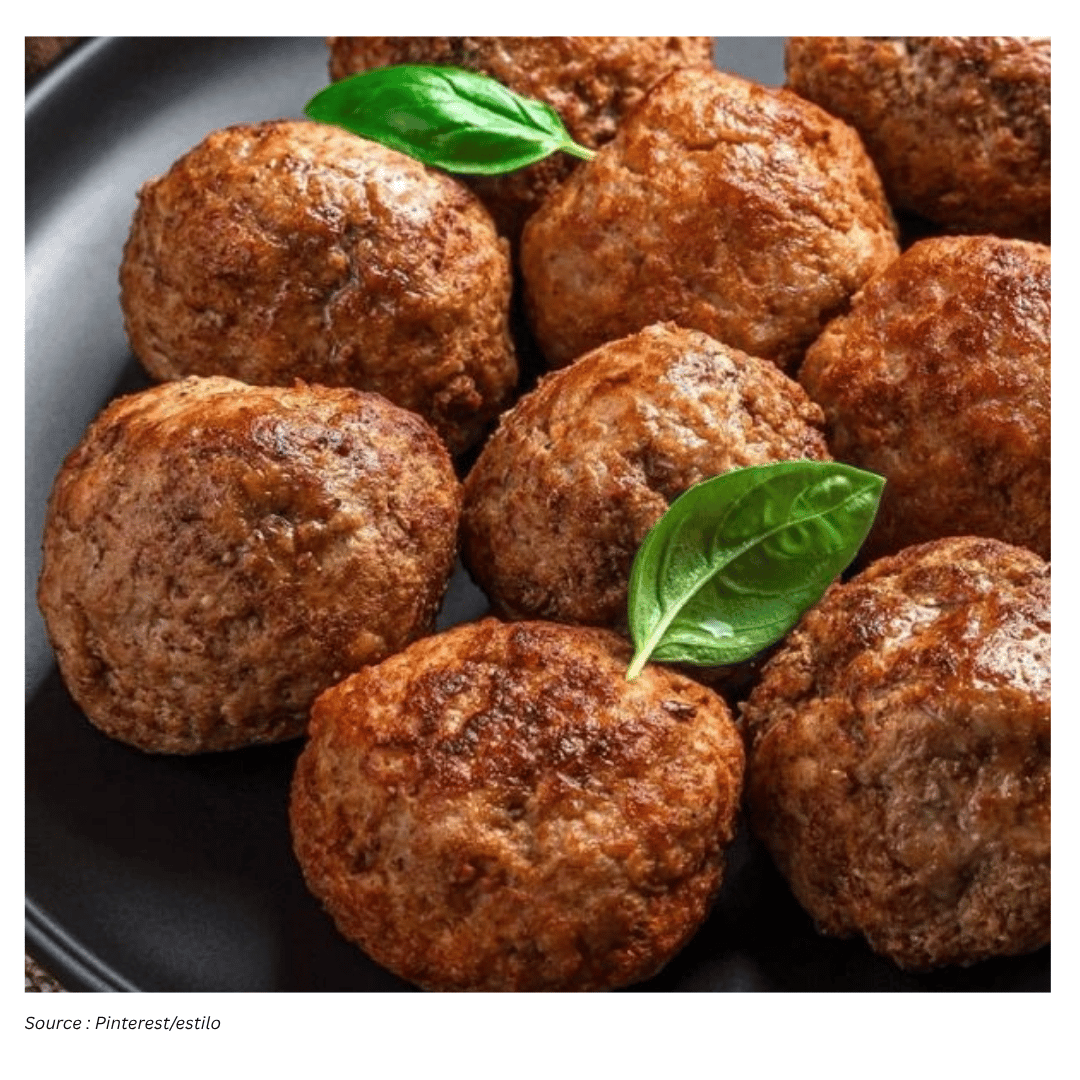
This approach is built around a straightforward idea: homemade meatballs can be simple to make and packed with flavor, and the end result is noticeably different from a so-so meatball. The goal isn’t just to form meat into balls and cook it. The goal is a meatball with a charred exterior that still stays moist and flavorful inside.
What makes a “quality meatball”
If you’ve eaten plenty of meatballs, you can usually tell the difference between one that’s merely fine and one that feels like it came from a kitchen that really cares about texture and seasoning. A quality meatball tends to hit two marks at once:
A charred exterior that gives the meatball a more robust bite and a deeper, roasted flavor.
A moist, flavorful interior that doesn’t feel dry or dense when you cut into it.
That contrast—browned on the outside, tender inside—is one of the reasons oven-baked meatballs can be so appealing. Baking is also a practical method for home cooks: it’s hands-off once the tray goes in, and it allows you to cook a batch evenly without hovering over a pan.
The flavor foundation: choosing your ground meat
One of the simplest ways to influence the final taste is the meat you choose. A classic suggestion is to use a combination of beef and pork. The blend is often recommended for flavor, and it tends to create a meatball that tastes rich and satisfying.
That said, the recipe concept is flexible. If you prefer, you can make the meatballs with all beef or all pork. The key is that you’re not locked into a single option—use what you like or what you have available.
If you’re looking for a different direction, ground turkey or chicken can also work. The same overall method applies, and the end result can still be a baked meatball that’s easy to pair with sauces and sides.
Breadcrumbs: what to use when you don’t have the “right” kind
Breadcrumbs are a common component in meatballs, and many cooks like to use Italian breadcrumbs. But one of the most practical parts of this recipe style is that it doesn’t fall apart if you’re missing a specific pantry item.
If Italian breadcrumbs aren’t on hand, there are several workable alternatives:
Panko, which is widely available and can be swapped in easily.
Homemade breadcrumbs made from leftover bread—simply process the bread in a food processor to create crumbs.
Crushed crackers, which can work in a pinch when you need a quick substitute.
This flexibility matters because it makes the recipe more realistic for weeknights. Instead of delaying dinner because you’re missing one ingredient, you can reach for what you already have and still end up with a satisfying batch of oven-baked meatballs.
Pairing ideas: beyond spaghetti and meatballs
Spaghetti and meatballs may be the famous pairing, but it isn’t the only one. In fact, one of the best reasons to learn a dependable homemade meatball recipe is how many meals it can support. Once you’ve made a batch, you can serve it in multiple ways without feeling like you’re repeating the same dinner.
Here are a few serving ideas that fit naturally with homemade meatballs:
Over pasta, the classic approach and a reliable crowd-pleaser.
In a sub, which turns meatballs into a hearty sandwich option.
On pizza, a less obvious but highly enjoyable way to use them.
Because the meatballs are flavorful on their own, they can adapt to different formats. One night they can be the centerpiece of a pasta bowl; another night they can be tucked into a roll; another night they can be sliced or added whole to a pizza.
Sauce options: a recipe that works with what you crave
Meatballs are often judged by the sauce they’re served with, but a strong meatball should stand up in many different contexts. This homemade approach is designed to pair with any type of sauce you crave. If you have a favorite jarred sauce, a family recipe, or a homemade option you like to make on weekends, the meatballs can fit right in.
That said, it’s hard to top the pairing with a roasted tomato sauce. The roasted flavor complements a browned, baked exterior particularly well, and the combination tends to feel both classic and special.
Homemade vs. frozen: why the extra step is worth it
Frozen meatballs are convenient, and there’s no denying the appeal of opening a bag and being done with it. But convenience can come with trade-offs in texture and flavor. When you make meatballs yourself, you’re aiming for something specific: a meatball that’s charred on the outside, moist on the inside, and packed with flavor.
That difference is noticeable, especially for people who have had their fair share of meatballs and can tell when one is just okay. Homemade meatballs also give you more control. You can decide which meats to use, choose the breadcrumb option that fits your pantry, and serve them in the way that best matches your meal plan.
In other words, the homemade version doesn’t just replace the frozen version—it upgrades the entire dish.
Freezing and reheating: how to make a batch last
One of the most practical advantages of making meatballs at home is that you can cook once and eat multiple times. This recipe style is freezer-friendly, making it a good candidate for meal prep or for stocking your freezer with ready-to-use protein.
To freeze baked meatballs successfully, follow a simple process:
Let the meatballs cool enough to handle.
Scrape off any fat that might have released.
Place the meatballs in a single layer on a baking sheet and freeze them.
Once frozen, transfer them to a freezer bag so they don’t stick together.
When it’s time to reheat, you don’t need a complicated method. Place the frozen or thawed meatballs in your sauce and cook until heated through. This approach keeps the meatballs surrounded by moisture as they warm up, which helps preserve the texture you worked for in the first place.
A simple home-cook mindset: make it once, then make it yours
The appeal of a homemade meatball recipe like this isn’t only the end result—it’s the way it fits into real life. You can make it with a beef-and-pork blend for flavor, or choose just one meat. You can use Italian breadcrumbs, panko, homemade crumbs, or even crushed crackers when that’s what you have. You can serve it with roasted tomato sauce, another sauce you love, or in a completely different format like a sub or pizza.
That flexibility is what turns a “recipe” into a repeatable household habit. Once you’ve made oven-baked meatballs a few times, the process becomes familiar, and the dish becomes something you can rely on—whether you’re cooking for yourself, feeding a family, or looking for a make-ahead option that reheats well.
Key takeaways for homemade oven-baked meatballs
A great meatball balances a charred exterior with a moist, flavorful interior.
A beef-and-pork combination is suggested for flavor, but all beef, all pork, turkey, or chicken can also work.
If you don’t have Italian breadcrumbs, panko, homemade breadcrumbs (from leftover bread), or crushed crackers can be used.
Serve meatballs over pasta, in a sub, or even on pizza for variety.
Meatballs freeze well: cool, remove released fat, freeze on a tray, then store in a freezer bag; reheat in sauce until warmed through.
For anyone who grew up with spaghetti and meatballs—and still craves it now—learning to make oven-baked meatballs at home can be one of the simplest upgrades to your comfort-food rotation. It’s approachable, adaptable, and built around the kind of flavor and texture that makes the homemade version hard to beat.