
Beef Madras: A Slow-Cooker Curry Dinner With Deep Spice and Tender Beef
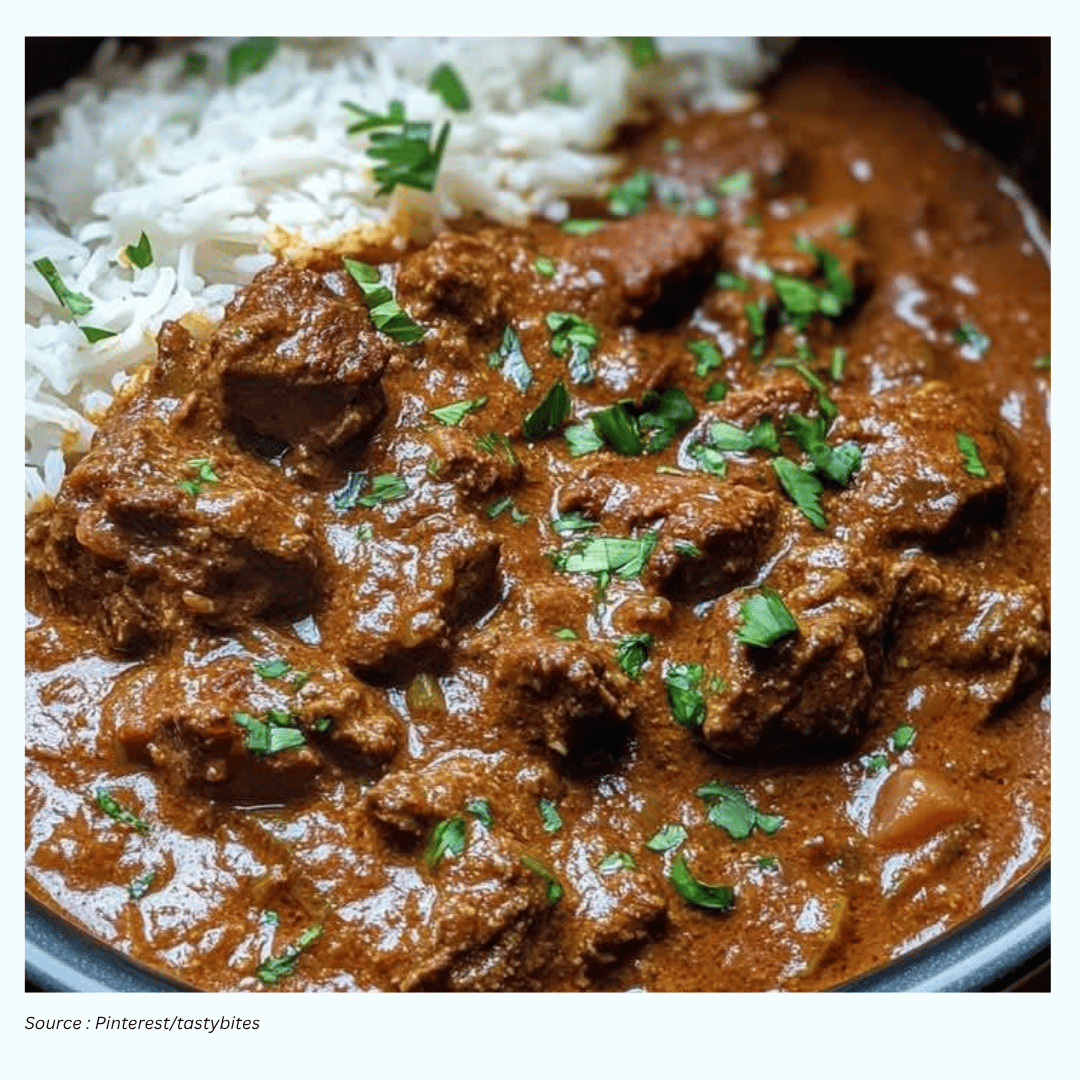
A warming, aromatic beef curry you can set and forget
Beef madras is the kind of dinner that feels bold without being complicated: tender beef, aromatic spices, and a rich curry-like sauce that tastes like it has simmered all day. It’s especially appealing on nights when you want a meal with depth and fragrance, but you also want a straightforward process that doesn’t demand constant attention.
This version leans into convenience. After a quick sear and a few stovetop steps that build the flavor base, the slow cooker takes over. The result is a flavor-packed dinner that can be started earlier in the day and served when you’re ready—without last-minute scrambling.
Why beef madras works as an easy weeknight (or weekend) plan
There are two ideas at the heart of this dish. First, you build flavor in layers: browning the beef, cooking down an onion mixture, and blooming spices with tomato paste. Second, you let time do the heavy lifting. Slow cooking helps the beef turn tender while the sauce becomes cohesive and richly seasoned.
If you’re someone who reaches for Indian-inspired dinners when you want something that “awakens the senses,” beef madras fits neatly into that rotation. It sits comfortably alongside other spiced, saucy classics—yet it’s still simple enough to become a repeat meal.
What beef madras is, in plain terms
Beef Madras is a flavorful and spicy curry dish that originates from the Southern Indian city of Madras, now known as Chennai. It features beef cooked in a rich and aromatic sauce with a blend of traditional Indian spices.
In this home-cooking approach, the goal is not to create a dish that’s aggressively hot. Instead, it’s about warmth and aroma: spices that feel lively and fragrant, balanced by the richness of the sauce and the savoriness of browned beef.
Flavor profile: rich sauce, warming spices, and a gentle heat
One of the most common questions about madras-style curries is how spicy they are. In this slow cooker beef madras, the heat is described as mild: it has a nice warmth to it but will not make you sweat. That makes it approachable for a wide range of eaters, including anyone who prefers flavor over fire.
Because the spice level is customizable, you can adjust the seasoning to your liking. The dish is built around aromatic spices and a curry-like sauce, so even without intense heat, it still delivers a strong sense of character.
Key components that build the sauce
The dish relies on a few core building blocks that work together to create that “madras” feel at home:
- Browned beef: Searing creates savory depth before the slow cooker stage.
- Onion, garlic, and ginger: Puréed into a smooth mixture, they form a flavorful base and help create a cohesive sauce.
- Bay leaf: Added during cooking to gently perfume the sauce.
- Spices and tomato paste: Stirred in after browning the onion mixture, they intensify the aroma and deepen the sauce’s color and richness.
- Lemon juice: Tossed with the beef to coat and brighten the overall flavor.
- Broth and salt: Added before slow cooking to create the right saucy consistency and seasoning.
Even if you’re used to curries that start with a long list of steps, the structure here is refreshingly direct: sear, blend, brown, spice, slow cook.
Step-by-step method (slow cooker)
The technique is intentionally practical, with most of the active cooking happening up front. Here is the process as described, organized into a clear sequence.
- 1) Brown the beef: Cook the beef in a large skillet until browned on all sides, then set it aside. This step is about flavor, not cooking the beef all the way through.
- 2) Make the aromatic base: In a food processor, add the onion, garlic, and ginger and purée until smooth. This creates a concentrated mixture that becomes the foundation of the sauce.
- 3) Brown the onion mixture: Add the onion mixture and a bay leaf to the skillet and cook until browned. This is where the base shifts from raw and sharp to mellow and savory.
- 4) Bloom spices and tomato paste: Stir in the spices and tomato paste. Cooking them briefly in the skillet helps the spices release their aroma and helps the tomato paste deepen in flavor.
- 5) Coat the beef: Add the beef back in along with lemon juice, tossing to coat everything. This step ensures the beef is well seasoned before it goes into the slow cooker.
- 6) Add liquid and season: Add the broth and season with salt.
- 7) Slow cook: Transfer to a slow cooker and cook on high for 4 hours or low for 8 hours.
The timeline makes it flexible: choose the high setting when you want dinner the same day with a shorter cook, or the low setting when you’re starting earlier and want a longer, gentler simmer.
Prefer not to use a slow cooker? A stovetop option
A slow cooker isn’t required. The appeal here is convenience—prepping in the morning and having the meal ready at dinner—but there is an alternative. If you prefer, you can simmer the dish in the skillet with it covered for an hour. That option keeps the method accessible even if you don’t have a slow cooker or simply want to keep everything on the stovetop.
Serving ideas: what to pair with beef madras
Beef madras is commonly served with rice or Indian bread such as naan or roti. Those staples make sense because they soak up the rich sauce and balance the spices.
If you want something cooling or fresh alongside the curry, onion raita or Kachumber salad are suggested pairings that work well. Together, they can round out the meal: warm, saucy beef with a refreshing side and a starchy base.
- Classic base: Rice
- Indian breads: Naan or roti
- Fresh/cooling sides: Onion raita or Kachumber salad
Ingredient flexibility and swaps
As with any recipe, you can switch things up if needed. The approach is designed to be adaptable, which is helpful if you’re cooking with what you already have or adjusting for preferences.
While the full ingredient list and exact instructions are typically kept in a dedicated recipe card, the core structure is clear from the method: beef browned in a skillet, a puréed onion-garlic-ginger mixture, bay leaf, spices, tomato paste, lemon juice, broth, and salt—then a long, slow cook.
If you’re making changes, the most important thing is to preserve the overall balance: a savory base, aromatic spices, enough liquid to form a sauce, and enough time for the beef to become tender.
Storage and make-ahead notes
This is a practical dish for leftovers. Once cooked, leftovers will store well in the fridge for 2–3 days in an air-tight container. It also freezes well for longer storage and can be frozen for 3 months.
Those storage windows make beef madras a good candidate for meal planning: cook once, enjoy for multiple meals, or freeze portions for future dinners when you want something hearty and ready to reheat.
- Refrigerator: 2–3 days in an air-tight container
- Freezer: Up to 3 months
Equipment: what you’ll want on hand
The equipment you use is important to how the meal turns out. The process described relies on a few essentials:
- Large skillet: For browning the beef and cooking the onion mixture with spices and tomato paste.
- Food processor: To purée the onion, garlic, and ginger until smooth.
- Slow cooker: For the hands-off cook (with an option to simmer covered in the skillet if preferred).
With these tools, the workflow stays simple: develop flavor in the pan, then let the slow cooker finish the job.
Practical tips for a smoother cook
Because this dish depends on a few key stages, focusing on those steps can make the entire process feel easier:
- Brown in stages if needed: The goal is browned beef on all sides. If the skillet is crowded, browning can be harder to achieve.
- Let the onion mixture brown: Cooking the puréed onion mixture until browned is a major flavor step; it helps the sauce taste richer and more developed.
- Coat the beef well: Tossing the beef with lemon juice and the spice-tomato mixture ensures the seasoning is distributed before slow cooking.
- Choose your timeline: High for 4 hours or low for 8 hours lets you fit the recipe to your day.
None of these tips add extra complexity; they simply highlight the moments that contribute most to the final flavor and texture.
A flavorful dinner that fits into real schedules
Beef madras offers a satisfying middle ground: a meal that tastes layered and aromatic, but is built from a manageable set of steps. Sear the beef, build a spice-forward sauce base, then let the slow cooker handle the long cook. The end result is tender beef in a rich curry-like sauce that’s easy to serve with rice, naan, or roti—and just as easy to store for later.
For anyone looking to add another dependable, flavor-packed dinner to their rotation, this slow cooker approach keeps the process approachable while still delivering the warmth and fragrance that madras-style curries are known for.