
S’mores Brownie Pie: A Layered Dessert With Graham Crust, Ganache, and Torched Meringue
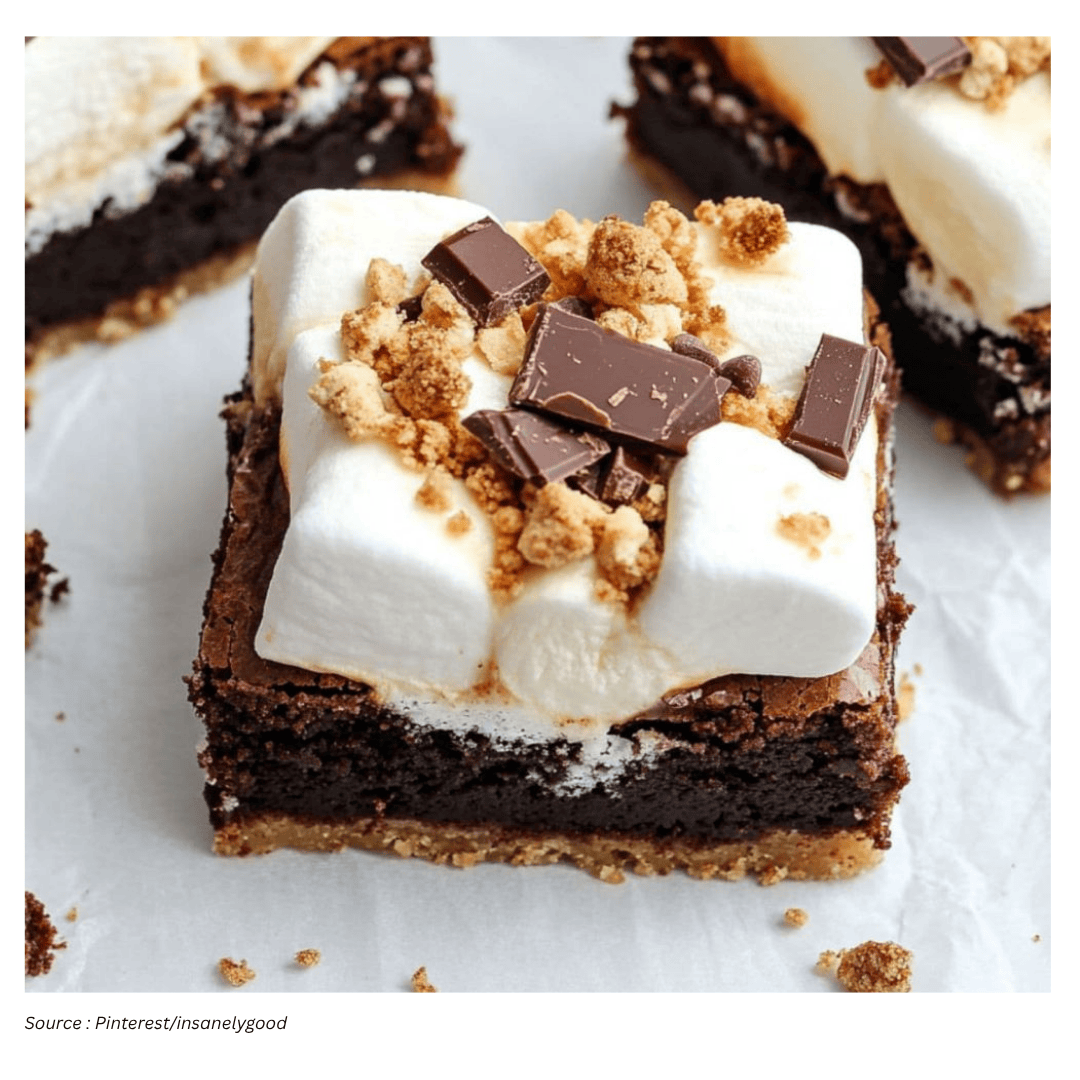
A s’mores-inspired dessert that goes beyond the campfire classic
S’mores are famously simple: something crunchy, something chocolatey, something marshmallowy, and a little heat to pull it all together. This s’mores brownie pie takes that familiar idea and turns it into a more structured, layered dessert—one that still leans on the same core flavors, but presents them in a pie format with distinct textures in each bite.
The concept blends three familiar dessert categories—s’mores, brownies, and pie—into one cohesive slice. Instead of stacking graham crackers and chocolate around a marshmallow, the recipe builds a graham cracker crust, bakes a brownie layer directly in the pie plate, pours ganache over the cooled brownie, and finishes with a meringue topping that’s browned with a blow torch (or under a broiler). The result is intentionally decadent: crisp crust, dense brownie, silky ganache, and airy meringue, all in one dessert.
While the inspiration comes from a humble treat, the finished pie is designed to feel more elevated. It’s homemade from start to finish and includes not only the brownie base but also a ganache layer and a torched meringue on top—two elements that add richness and visual drama without changing the familiar s’mores flavor profile.
What makes this pie feel “layered” in the best way
This dessert is built around contrasts. The graham cracker crust brings crunch and a lightly salted edge. The brownie layer adds weight and a fudgy, chocolate-forward foundation. Ganache smooths everything out with a glossy, rich layer that sets in the refrigerator. Finally, the meringue topping lightens the overall feel with a fluffy finish, then gets browned for that toasted marshmallow effect associated with s’mores.
Because each layer is prepared separately, the pie is not a one-bowl, one-pan bake. But the steps themselves are described as straightforward—more a matter of sequence and patience than complicated technique. If you approach it as a series of small projects (crust, brownie, ganache, meringue), it becomes easier to manage and easier to time for serving.
Ingredients overview: four components, one cohesive slice
The recipe is organized into distinct parts, each with its own ingredient list. Keeping those parts separate while you prep can help the process feel more orderly.
- Graham cracker crust: graham crackers (ground into fine crumbs), melted unsalted butter, kosher salt.
- Brownie filling layer: unsalted butter, bittersweet chocolate chips, granulated sugar, eggs, all-purpose flour, unsweetened cocoa powder, kosher salt, baking powder.
- Ganache layer: heavy cream, milk or bittersweet chocolate chips, kosher salt, unsalted butter.
- Meringue topping: egg whites, sugar, vanilla bean paste or extract, kosher salt.
There are also optional garnishes mentioned for finishing: graham cracker pieces, marshmallows, or additional chocolate chips. These are not required, but they can reinforce the s’mores theme and add texture on top of the meringue.
Step-by-step structure: how the pie comes together
The method follows a clear order: build the crust, bake the brownie layer, cool it, add ganache, chill to set, then make and apply the meringue right before serving. Below is a structured walk-through of the process as described.
1) Prepare the graham cracker crust
The crust begins with graham crackers processed into fine crumbs. A food processor is used to grind the crackers evenly, which helps the crust press cleanly into the pie plate and hold together once baked and filled.
- Grind graham crackers to fine crumbs in a food processor.
- Add melted unsalted butter and kosher salt, then pulse to combine.
- Press the crumbs up the sides and over the bottom of a 9-inch pie plate.
- Set aside.
Pressing the crumbs firmly and evenly is key for a crust that slices neatly later. Because the crust forms the base for a dense brownie layer, it’s helpful to make sure the bottom and sides are well-packed so the pie holds its shape when served.
2) Make and bake the brownie layer
The brownie filling is cooked and mixed in a saucepan before being baked in the prepared crust. Butter is melted first, then chocolate is added off the heat to melt smoothly. Dry ingredients are folded in to complete the batter.
- Melt the butter in a medium saucepan.
- Remove from the heat, add the chocolate, and whisk until smooth.
- Fold in the flour, cocoa powder, kosher salt, and baking powder to combine.
The brownie layer is then baked on a lower rack in the oven. The doneness cue is specific: you’re looking for a wooden pick inserted into the center to come out with fudgy bits, not wet batter. That description signals a brownie texture that remains rich and soft rather than dry.
- Bake on a lower rack for 30–35 minutes, until a wooden pick comes out with fudgy bits (not wet batter).
- Set aside to cool at least 1 hour.
Cooling is not optional here. The next layer—ganache—needs a cooled base so it can set properly and remain distinct rather than melting into the brownie.
3) Add the ganache and chill until set
Ganache is prepared by heating heavy cream until steaming, then stirring in chocolate until smooth. Once the brownie layer has cooled, the ganache is poured evenly over the top.
- Heat heavy cream in the microwave in a microwave-safe container until steaming.
- Add the chocolate and stir until smooth.
- Pour the ganache evenly over the cooled brownie layer.
After the ganache goes on, refrigeration becomes part of the workflow. The pie is chilled so the ganache can set, creating a clean, sliceable layer. This chilling step also opens the door to making the dessert in stages, which can be especially helpful when you’re planning to serve it for a gathering.
4) Prepare the meringue topping right before serving
The final layer is a cooked-and-whipped meringue. The method uses gentle heat over simmering water to warm the egg whites and sugar until the mixture is very warm and the sugar dissolves. After that, the mixture is whipped to medium-stiff peaks, then applied to the pie and browned.
- Bring about an inch of water to a simmer in a small saucepan, then reduce heat to low.
- Stir egg whites and sugar together in the bowl of a stand mixer and place it over the simmering water.
- Stir continuously until the mixture is very warm to the touch and the sugar has dissolved.
- Remove the bowl and whip with a whisk attachment to medium-stiff peaks.
- Dollop the meringue over the pie and swirl decoratively to coat.
- Use a blow torch (or the broiler) to brown the meringue.
Once browned, the pie can be garnished if desired with graham cracker pieces, marshmallows, and/or additional chocolate chips. The recipe notes serving immediately after finishing.
Planning ahead: where you can pause, store, and resume
Because this pie has multiple layers, it naturally lends itself to being made in stages. The most convenient stopping point is after the ganache is poured and the pie is chilled. At that stage, you can let the ganache set and then hold the pie cold until you’re ready to finish it.
The guidance provided is flexible: the ganache can be chilled for the minimum time needed to set, or it can sit in the refrigerator overnight. That means you can complete the crust, brownie layer, and ganache one day, then return the next day to make the meringue and brown it just before serving.
For longer storage, the pie—after the ganache is cold—can be wrapped tightly and refrigerated for up to four days, or frozen for up to two months. If freezing, the recommendation is to leave off the meringue and prepare it fresh after thawing, since meringue is described as more fickle and best made close to serving time.
Meringue tips: preventing common problems with egg whites
Meringue can be the most sensitive component of the pie, and the instructions include several practical tips to help it whip properly and hold its shape.
Start with a clean bowl and whisk. Any trace of fat can prevent egg whites from whipping up as they should. One suggested approach is wiping the bowl and whisk with a splash of lemon juice on a paper towel to remove residual fat.
Use gentle heat and steady stirring. The egg whites and sugar are warmed over simmering water so the sugar dissolves and the mixture warms through. The caution is to avoid overcooking the egg whites, which can lead to scrambling. Maintaining a steady simmer in the saucepan and whisking often helps keep the mixture smooth.
Whip to the right visual cue. Medium-stiff peaks are the target. The description given is clear: the meringue should stand up in strong points and hold its shape. If you’re unsure, whipping a bit longer is encouraged to reach the right volume and structure.
Serving notes: texture, timing, and finishing touches
This pie is designed to be served with its layers intact: a crisp graham base, a fudgy brownie center, a set ganache layer, and a freshly whipped, browned meringue topping. Because the meringue is best when freshly made and torched, the ideal serving window is soon after the final browning step.
If you’re using a broiler instead of a blow torch, the goal remains the same: browning the surface to mimic the toasted effect associated with marshmallows in classic s’mores. The optional garnishes—graham cracker pieces, marshmallows, and chocolate chips—can be added after browning to emphasize the theme and add a little extra texture on top.
A dessert built for contrast and celebration
At its core, this s’mores brownie pie is about taking a familiar flavor combination and presenting it in a more elaborate, sliceable form. It’s described as over-the-top indulgent, with each layer playing a role: the brownie base adds heft, the meringue adds airiness, the ganache brings a silky chocolate layer, and the graham cracker crust keeps everything grounded with crisp texture and a hint of salt.
It’s not positioned as a quick dessert, but rather as a straightforward one with multiple steps—one that rewards planning. With the ability to chill the ganache layer overnight and store the pie (without meringue) for days in the refrigerator or longer in the freezer, it can also fit into real-life schedules. The final flourish—the torched meringue—adds the signature s’mores finish right when you’re ready to serve.