
Smoked Pulled Beef: Brisket-Style Flavor Without the Long Wait
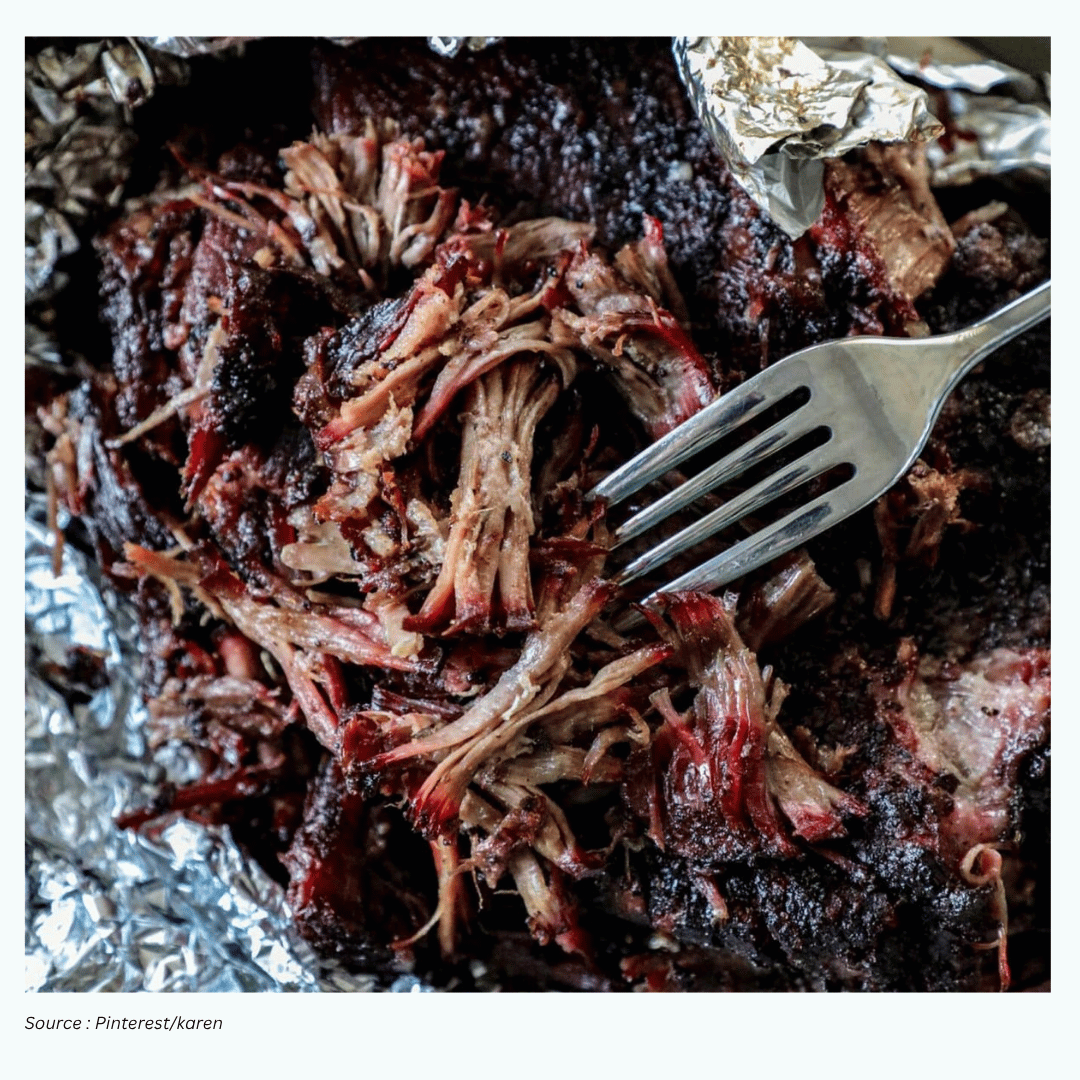
A smoker-friendly way to get brisket-style results
Smoked recipes have a reputation for turning simple ingredients into something memorable, and the range of what you can make is broad. From smoked beer can chicken and smoked brats to smoked lobster tails, smoked meatloaf, and smoked pork loin, the method adapts to nearly any protein you can imagine.
Still, for many home cooks, the smoker is most closely associated with classic “low and slow” barbecue—especially pulled pork butt. That style of cooking is popular for a reason: extended time at a steady, low temperature gradually breaks down fat and connective tissue, producing meat that becomes tender enough to pull apart with minimal effort.
The same approach works exceptionally well with beef. Instead of committing to a more expensive cut or a longer, more demanding brisket cook, smoked pulled beef uses chuck roast—often a go-to for pot roast in a slow cooker—and applies smoker heat and smoke to transform it into something that delivers brisket-like flavor and texture, without the same expense or time commitment.
Why chuck roast works for pulled beef
Chuck roast is commonly associated with braises and slow-cooker meals, where moist heat helps soften the cut. In a smoker, the goal is similar—tenderness—but achieved through controlled low-temperature cooking and the addition of smoke flavor.
As the roast cooks, the connective tissue gradually breaks down. When you take it far enough—into the 200–205°F internal temperature range—the collagen has time to convert and the meat becomes soft and shreddable. That’s the key to pulled beef: it isn’t about using a premium cut. It’s about giving the cut enough time at the right temperature so the smoker can do its job.
This is also why there’s no need to reach for something like filet mignon or specialty beef. For this style of cooking, chuck roast (and brisket) are the practical choices because they respond well to long cooking and end up with a “melt in your mouth” texture when finished properly.
Ingredients and flexibility: what you can change
Like most smoked meats, pulled beef is built around a few core ideas: seasoning the outside well, cooking at a stable low temperature, maintaining moisture, and finishing at a high-enough internal temperature to shred.
The recipe uses a rub applied generously to the exterior of the chuck roast. The specific ingredient list is typically provided in a recipe card, but the method leaves room for adjustments. In practice, you can mix up some of the ingredients in the rub to suit your preferences while keeping the overall technique the same.
Beyond the rub, beef broth plays a central role in moisture management during the cook. The process includes spritzing with broth and later adding broth to the pan when the roast is covered. Sliced onions are also added during the covered phase for additional flavor and moisture in the pan.
Step-by-step method: from rub to shred
The workflow for smoked pulled beef is straightforward and designed to balance smoke exposure with moisture retention. Here is the process as described, organized into clear stages.
- Season: In a bowl, combine the ingredients for the rub, then coat the exterior of the chuck roast generously.
- Start smoking: Place the chuck roast on the grill grates with the fat side facing up. Smoke at 225°F until the internal temperature reaches 165°F, which is noted as taking approximately 3 hours.
- Spritz for moisture: During the cook, spritz the roast with 1 cup of beef broth every hour.
- Cover to finish: Move the roast to a disposable aluminum foil pan. Add the remaining 1 cup of beef broth and sliced onions. Seal the pan tightly with foil and continue cooking until the internal temperature reaches 202°F.
- Rest and shred: Let the roast rest for 15 minutes before shredding.
This approach is effective because it combines two important phases. Early in the cook, the roast is exposed directly to smoke, building flavor. Later, it is sealed in a pan with broth and onions, which helps push it through the final stretch to tenderness while limiting moisture loss.
Temperature targets: the numbers that matter
Smoked pulled beef depends more on internal temperature than the clock. Two checkpoints are emphasized in the method:
- 165°F internal: This is the point where the roast is moved from the grates into a foil pan with broth and onions, then sealed.
- 200–205°F internal (around 202°F in the described steps): This is the tenderness range that allows the collagen to break down so the beef can be pulled or shredded easily.
Aiming for roughly 200–205°F is important because that’s where the texture changes from “sliceable roast” to “pull-apart beef.” The end result should shred easily, reflecting that the connective tissue has broken down sufficiently.
How long it takes: planning for a wide window
One of the most practical points about smoking beef is that cook times can vary significantly. A general guideline given is that it takes about 2 hours per pound to smoke beef at 225°F. Using that math, a 4 lb chuck roast could take about 8 hours.
But that same guidance also comes with a clear warning: every cut of meat is different. Some roasts might finish in as little as 5 hours, while others could take as long as 14 hours. That range matters when you’re cooking for guests or trying to time a meal, and it reinforces why internal temperature and tenderness are the best indicators of doneness.
For planning purposes, it helps to treat the time estimate as a rough framework, not a promise. The most reliable strategy is to cook until the beef reaches the target internal temperature and shreds the way pulled beef should.
Resting and shredding: why the final 15 minutes count
Once the roast reaches the finishing temperature (around 202°F in the method), it should rest for 15 minutes before shredding. Resting is a small step, but it’s part of how you protect the texture you worked for during the long cook.
After resting, the beef should shred easily. The entire cooking process is designed to break down tissue so the meat falls apart without a struggle, producing the pulled texture associated with traditional barbecue.
Storage: keeping leftovers safe and usable
Smoked pulled beef is well-suited to cooking ahead because it stores reliably. The guidance provided is:
- Store in an airtight container in the refrigerator for up to 5 days.
- Freeze for up to 3 months.
That flexibility makes it practical for meal prep, hosting, or simply ensuring that the time spent smoking meat pays off in more than one meal.
Serving ideas: pulled beef is versatile by design
One of the advantages of pulled beef is how many directions you can take it once it’s cooked. The recipe notes that there are many ways to use it, offering that the listed ideas are only a starting point and that there are plenty more options beyond those mentioned.
Because the final texture is tender and shreddable, pulled beef can adapt to different meals and occasions, from casual weeknight plates to party spreads. Its versatility is part of what makes it a practical alternative to brisket-style cooks: you can smoke once and repurpose the results in multiple ways.
Pairing it with sides: building a party-ready plate
Pulled beef is described as a great party food, which naturally raises the question of what to serve alongside it. The guidance emphasizes that it “needs some tasty sides,” and while specific side dishes are not detailed in the provided material, the key takeaway is that pulled beef is often served as part of a broader spread.
When you’re planning a menu, think in terms of balance: something hearty and smoky at the center, supported by sides that round out the meal and make serving a crowd easier.
Equipment considerations: how your setup affects flavor
The equipment you use can have a major impact on the final flavor. Because this is a smoked recipe, the goal is to impart smoke character into the beef, and the method notes that you have a few different options for how to achieve that depending on your setup.
Regardless of the specific smoker or grill configuration, the essential requirement is the same: you need a way to maintain low heat (225°F is the target in the method) while producing smoke long enough to flavor the roast before it’s covered in the pan.
Key takeaways for consistent smoked pulled beef
- Chuck roast is a practical choice for pulled beef because low-and-slow cooking breaks down connective tissue and produces a tender, shreddable texture.
- Cook to temperature, not time. The process is guided by internal temperature milestones—165°F for the pan stage and roughly 200–205°F for shredding tenderness.
- Moisture management matters. Spritzing with beef broth and finishing in a sealed pan with broth and onions helps prevent the meat from drying out.
- Expect variability. Even with a rule of thumb like 2 hours per pound at 225°F, real-world cooks can range widely, so plan a generous window.
- Store leftovers confidently. Refrigerate up to 5 days or freeze up to 3 months in an airtight container.
For cooks who enjoy smoker recipes but want something that captures the appeal of brisket without the same cost or commitment, smoked pulled beef offers a clear path: season well, smoke low and slow, finish covered until it reaches the right internal temperature, then rest and shred.