
Smoked Filet Mignon With a Reverse Sear: A Tender Steak With Subtle Smoke and a Charred Finish
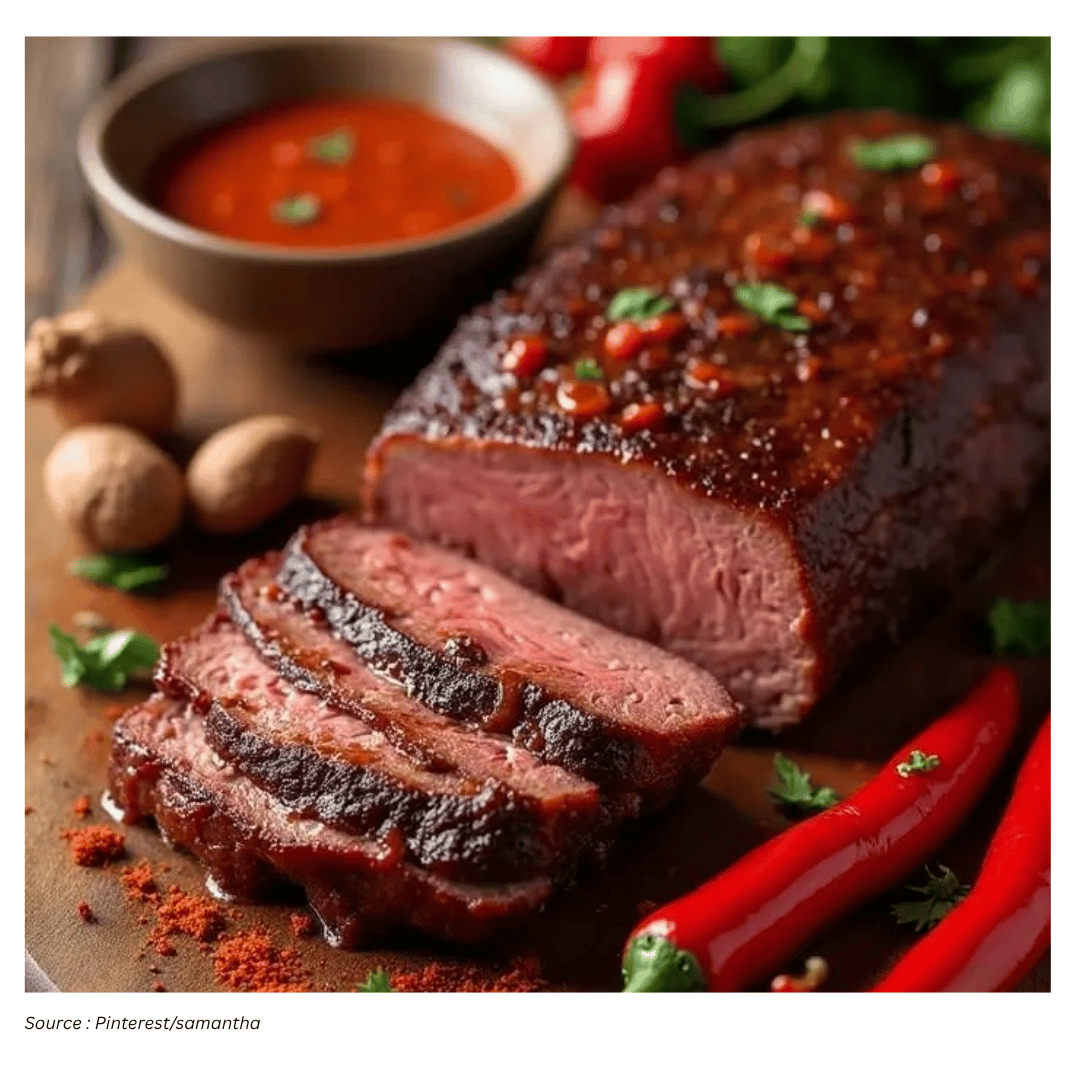
Why smoke a filet mignon?
Filet mignon is often associated with quick, high-heat cooking because it is naturally tender and relatively mild in flavor. But smoking it—then finishing with a reverse sear—offers a different kind of payoff: a steak that remains juicy and tender, gains a subtle smoke character, and still ends up with the charred exterior many people expect from a great steak.
When people think of smoked cooking, they often picture larger or more traditional barbecue cuts and smoked favorites. A filet mignon may not be the first idea that comes to mind. Yet, once you approach it with the right method, it becomes a practical and repeatable way to cook to a precise internal temperature and then build a crust at the end.
The key advantage of using a smoker is control. You can bring the steak up gradually to the doneness you want, then apply high heat briefly to create browning on the outside. The result is an evenly cooked interior, a gentle smoke influence, and the familiar seared finish.
What cut is filet mignon, and what if you can’t find it?
Filet mignon comes from the middle cut of the tenderloin. It is known for tenderness, a mild beef flavor, and relatively little marbling. That mildness is one reason it responds well to simple seasoning and to sauces when you want them. Because it is already tender, the goal is to cook it carefully rather than aggressively.
If filet mignon is not available, beef tenderloin can be used as an alternative. The same low-temperature smoking approach and reverse sear concept apply; the most important part is monitoring internal temperature and finishing with a quick sear.
The core method: smoke first, sear last
This approach is built around two stages. First, you smoke the steaks at a low temperature so they cook gently and pick up smoke flavor. Second, you reverse sear at high heat to develop the browned crust. Because the smoking portion is relatively short—often under an hour—wood choice and temperature management matter.
Rather than cooking strictly by the clock, the method relies on internal temperature. Time can vary depending on factors like steak thickness and the behavior of your equipment. A practical guideline from the method is to smoke until the steaks are about 10°F below your intended final doneness, then sear to finish.
Seasoning: keep it simple and generous
Filet mignon doesn’t need complicated seasoning to be satisfying, especially when smoke and a final sear are part of the plan. Season the steaks liberally with salt and pepper on all sides before they go into the smoker. This simple combination supports the beef’s mild flavor and helps set the stage for a good crust during the sear.
Smoking temperature and timing
Set the smoker to 225°F and place the seasoned steaks inside. Smoke until the steaks are about 10°F below your desired doneness. In many cases, this takes between 40 minutes and an hour, but the most reliable measure is temperature, not time.
One note that can surprise people the first time: the steaks may look pink from the smoke. That color doesn’t automatically mean the meat is undercooked; it’s a visual effect that can happen with smoked cooking.
Choosing wood for a short smoke
Because the smoking stage is relatively brief, a stronger wood is recommended to make sure the steak actually picks up a noticeable smoke presence. Options that fit this approach include hickory, mesquite, or oak. These woods are commonly chosen when you want a more assertive smoke flavor in a shorter window.
In practice, people use what they have on hand, and equipment and fuel choices can vary. The overall principle remains the same: the smoke should be present but not overpowering, and the steak should still taste like steak.
Reverse sear options: three practical ways to finish
The reverse sear is where the steak gets its final exterior texture—browning and char—without overcooking the center. There are multiple ways to do it, depending on what equipment you have available. The method outlines three common options:
Pellet grill with sear plates: After smoking, increase the temperature to about 450°F and char the steaks.
Gas grill: Heat the grill to about 450°F, then sear the steaks once they’re done smoking.
Cast iron skillet: Heat a cast iron skillet over medium-high heat, then sear the steaks 1–2 minutes per side.
All three approaches aim for the same outcome: a quick, hot finish that builds crust while keeping the interior at the doneness you worked to achieve during the smoking stage.
Cast iron finish: butter and a fast sear
If you choose the cast iron route, the finishing steps are straightforward. Heat a cast iron skillet over medium-high heat. Add butter, then sear the steaks for 1–2 minutes per side. This brief sear is enough to develop color and flavor on the surface without pushing the interior far past your target temperature.
Some cooks prefer to sear outdoors on a grill (including using a cast iron pan on a propane grill) to avoid filling the kitchen with smoke. The essential detail is the same: high heat, short time, and careful attention so the crust develops without overcooking.
Doneness targets: cook to temperature, not to time
Smoking and reverse searing works best when you use internal temperature as the guide. For example, if you like a medium steak, one approach is to smoke until the steak reaches about 130°F, then sear to finish. Because the sear adds heat quickly, stopping the smoke stage about 10°F early helps you land closer to your final target after the crust is developed.
Below is a doneness guideline based on internal temperature:
Rare: 120°F to 125°F
Medium-rare: 130°F to 135°F
Medium: 140°F to 145°F
Medium-well: 150°F to 155°F
Well-done: 160°F to 165°F
Because preferences vary, these ranges are best treated as a reference point. The most consistent results come from deciding your target doneness first, then smoking to roughly 10°F below it, and finally searing to finish.
How equipment can influence the result
The type of equipment you use can have a meaningful impact on flavor and the overall experience of cooking smoked filet mignon. Different smokers, pellet grills, and grills can produce different smoke intensity and heat behavior. Even when following the same temperature targets, a particular setup may run a bit hotter or cooler, and smoke output can vary.
That’s another reason the method emphasizes temperature over time. When you focus on internal temperature and use the reverse sear as a finishing tool, you can adapt to a range of setups while still aiming for the same end result: tender filet, subtle smoke, and a charred exterior.
Step-by-step summary (at a glance)
Season filet mignon steaks liberally with salt and pepper on all sides.
Preheat the smoker to 225°F.
Smoke the steaks until they are about 10°F below your desired doneness (often 40 minutes to 1 hour, but rely on temperature).
Finish with a reverse sear using one of these options:
Pellet grill sear plates at about 450°F
Gas grill at about 450°F
Cast iron skillet over medium-high heat, searing 1–2 minutes per side with butter
Serving ideas and what people tend to pair with steak
Many people naturally think of potatoes as a side when steak is on the menu. That classic pairing is popular for a reason, but there are plenty of options depending on your preferences and the rest of the meal. The main idea is to choose sides that complement the filet’s tenderness and mild flavor without overwhelming it.
What home cooks report about the technique
In home kitchens and backyards, the smoke-then-sear method tends to win people over because it feels both approachable and precise. Several cooks describe it as easy to execute and impressive on the plate, especially for occasions when you want filet mignon to feel like a special dinner without making the process complicated.
Some describe the low-and-slow smoke stage as producing an evenly cooked interior, with the reverse sear delivering the expected crust. Others note that once they tried smoking steaks this way, it became a go-to method. Equipment varies—pellet grills, dedicated smokers, and other outdoor cooking devices—but the common thread is the same two-step structure: controlled smoking to temperature, then a quick high-heat finish.
Practical notes to keep in mind
Use a stronger wood for a short smoke: hickory, mesquite, or oak are suggested so the smoke flavor comes through in under an hour.
Expect some smoke-related color: the steak can appear pink from the smoke even when cooked to your chosen doneness.
Plan the sear as part of the temperature strategy: stop smoking roughly 10°F early so the finishing heat doesn’t push the steak too far.
Choose the sear method that fits your setup: pellet grill, gas grill, or cast iron all work as long as the heat is high and the time is short.
A straightforward way to get tender filet with a smoky edge
Smoked filet mignon isn’t about turning a tender cut into barbecue; it’s about using smoke and temperature control to enhance what the cut already does well. By seasoning simply, smoking at 225°F to a specific internal temperature, and finishing with a fast reverse sear, you can produce a steak that stays juicy and tender, carries a subtle smoke flavor, and still delivers the charred exterior that makes steak feel complete.
Whether you finish on a hot grill or in a buttered cast iron skillet, the method stays consistent: smoke to temperature, then sear for texture. It’s a repeatable approach that fits a range of equipment and makes filet mignon feel both refined and deeply satisfying.