
Slow Cooker Easter Ham With Apricot and Kahlua: A Sweet-Savory Holiday Centerpiece
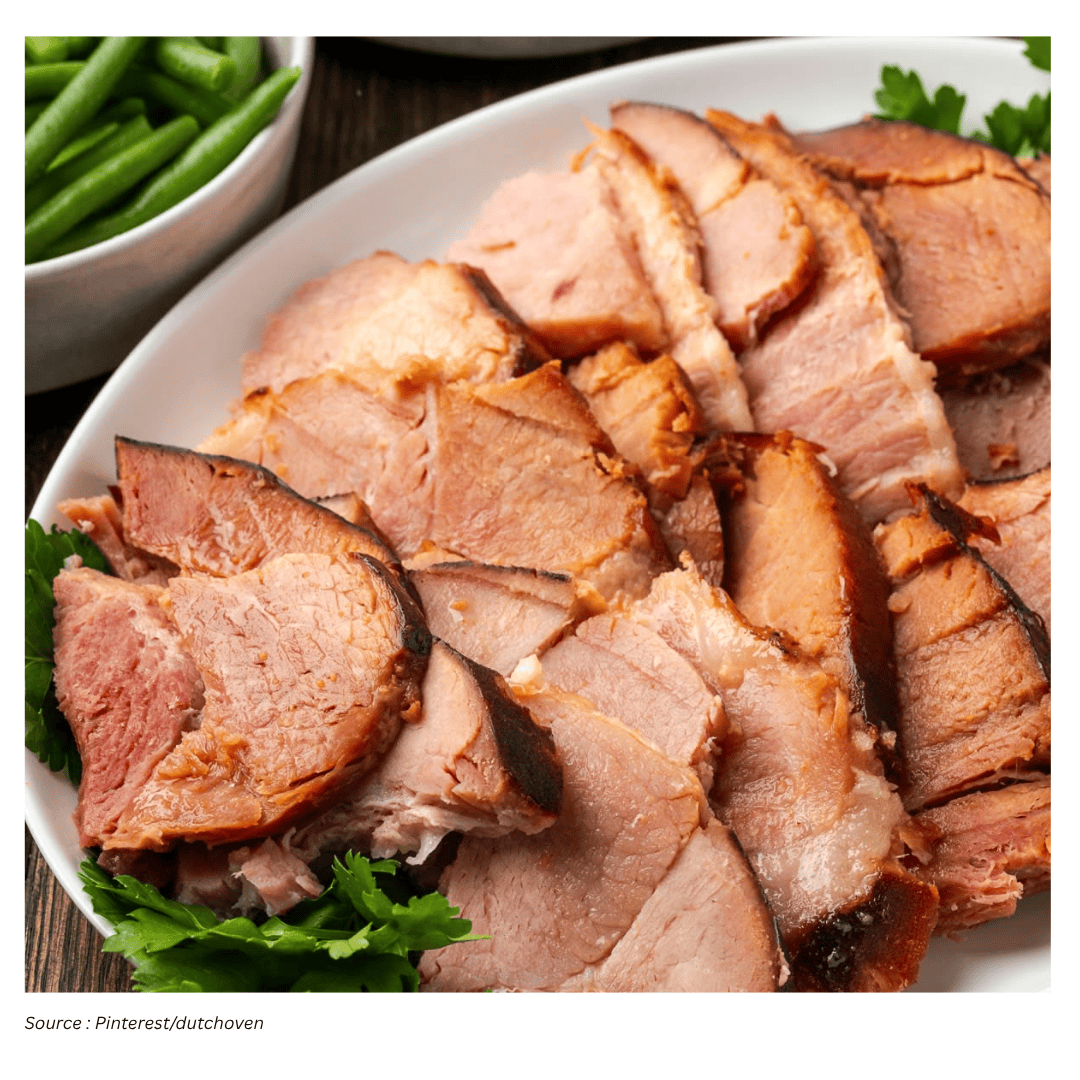
A holiday ham that doesn’t keep you tied to the oven
A freshly cooked ham has a way of anchoring a holiday table, whether it’s Easter brunch or dinner. It’s familiar, crowd-pleasing, and—especially when you start with a fully cooked, smoked ham—more about gentle reheating and flavor-building than intensive cooking. That makes ham an appealing choice when you’re entertaining and want a centerpiece that feels special without demanding constant attention.
This slow cooker approach leans into that advantage. Instead of a standard brown sugar glaze, the ham is coated in a sweet-and-savory blend built from tangy apricot preserves, dark coffee-scented Kahlua, and a mix of spices: dry mustard, coriander, and cloves. The result is designed to be impressive on a platter, while the actual process remains straightforward: glaze, cook, add a splash of wine partway through, glaze again, and finish until the ham is warmed through.
What makes the apricot and Kahlua glaze work
The signature of this preparation is its glaze. Apricot preserves bring fruit sweetness and tang, while Kahlua contributes a deep, rich note with a coffee aroma. Dry mustard is there for balance, cutting through sweetness so the glaze doesn’t become one-dimensional. Coriander and cloves round everything out with warm, earthy spice, giving the ham a layered flavor that feels suited to a holiday meal.
Because the ham is fully cooked and smoked, the slow cooker’s job is not to “cook it from raw,” but to safely reheat it while letting the glaze and aromatics permeate the surface. Scoring the skin helps the glaze seep in. Meanwhile, the fat and skin—when present—are beneficial: as the fat renders, it enriches the cooking juices that collect in the slow cooker.
An all-in-one slow cooker setup with spring vegetables
One of the most practical elements of this method is the built-in side dish. Pearl onions, baby carrots, and leeks are arranged around the ham so they can cook in the flavorful environment created by the meat, glaze, and rendered juices. The vegetables absorb savory drippings and sweetness from the glaze, and they also contribute aromatics back into the pot.
You can adapt the vegetable mix to what you like, but the combination of tiny pearl onions, carrots, and tender leeks is intentionally spring-leaning and well suited to an Easter table. When the ham is done, the vegetables and pan juices are reserved and served alongside the sliced meat, making the final platter feel complete without extra pots and pans.
Choosing a ham that fits your slow cooker
The most important practical step happens before you start cooking: selecting a ham that will fit into your slow cooker. A bone-in smoked butt portion is a useful choice because it tends to be shorter in stature than a typical shank portion half ham, making it easier to nestle into the cooker.
Skin and fat are considered desirable here. Scoring the surface allows the glaze to move into the cuts, and the fat will render into the juices during cooking, helping keep the ham juicy and flavorful. This recipe is flexible about the ham style you use—spiral cut, shank end, bone-in, or boneless can all work—though a butt (or rump) cut is valued for easier carving and for the meaty flavor that the bone provides.
One detail to watch for at the store: many hams come pre-glazed or include a glaze packet. Because this apricot-and-Kahlua glaze is already fairly sweet, you’ll generally want to avoid adding an extra sugary layer on top of it.
If the ham doesn’t fit: a simple workaround
Sometimes you find the right ham, get it home, and discover it’s just a bit too large for your slow cooker insert. There’s a workaround for that situation. Ease the ham into the insert as far as it will go, then use a generous piece of heavy-duty aluminum foil to wrap around the ham and the rim of the slow cooker. This creates a seal to keep heat and moisture in while the ham and vegetables cook down.
As the ham cooks, it may shrink slightly. If that happens, you may be able to replace the slow cooker lid toward the end of the cooking time.
Step-by-step method: glaze, cook, wine, glaze again
The process is built around a few clear stages. First, the ham is prepared and glazed. Then it cooks covered, gets a pour of dry white wine partway through for acidity and flavor, and finishes with the remaining glaze. The ham is done when it reaches 140 F at its thickest point.
- Place the ham cut-side-down on a cutting board and score the skin with a sharp knife.
- In a high-speed blender, combine the apricot preserves, Kahlua, mustard, coriander, and cloves.
- Use a pastry brush to coat the ham with ½ of the glaze.
- Trim the leeks to remove the stem end and tough dark green shoots, then slice them in half lengthwise.
- Rinse the leeks under cold water to remove any dirt between the layers.
- Slice the leeks crosswise into ½-inch pieces.
- Arrange the leeks, carrots, and pearl onions around the ham.
- Cover the slow cooker and cook the ham for 1 hour.
- Uncover, pour the wine over the ham, and return the lid.
- Cook for another hour, then brush on the remaining glaze.
- Continue to cook the ham until it reaches 140 F at its thickest point (about 4–5 hours total cooking).
- If your slow cooker has a bake/broil setting, you can use it briefly to crisp up the surface of the ham, or turn the temperature to high for the last hour of cooking.
- Remove the ham from the slow cooker and let it rest on a cutting board for 15 minutes. Reserve the vegetables and pan juices to serve with the ham.
- Carve the ham and serve it with vegetables and your favorite sides.
Why the wine goes in mid-cook
Partway through cooking, a small but meaningful step changes the flavor profile: dry white wine is poured over the ham. The wine brings acidity, which helps counterbalance the glaze’s sweetness and adds another layer of flavor to the cooking liquid. That liquid becomes part of the final presentation when you reserve the pan juices to serve with the ham and vegetables.
Finishing options: crisping the surface
Slow cookers are known for moist heat, which is ideal for keeping ham juicy but not always for developing a crisp surface. If your slow cooker includes a bake/broil setting, you can use it briefly to crisp the exterior. If it doesn’t, increasing the temperature to high for the last hour is another option mentioned for pushing the finish a little further while still staying within the slow cooker method.
Resting, carving, and serving
After cooking, the ham is rested for 15 minutes on a cutting board. Resting is the pause that makes carving easier and helps keep the slices juicy. The vegetables and pan juices are reserved—an important point, because they carry much of the glaze and rendered flavor that develops in the pot.
For serving, carve the ham and bring it to the table with the vegetables and your favorite sides. The idea is a single preparation that goes from cooker to platter with minimal extra work, yet still looks and tastes like a special-occasion meal.
Planning for leftovers: beyond sandwiches
Leftover ham is one of the quiet benefits of making a holiday-sized centerpiece. While a sandwich is the obvious next-day move, ham can also add savory depth to a wide range of dishes. It works in quiches, scalloped potatoes, soups, and fried rice. It can also be used in more vintage-style preparations such as creamy ham dip, cheese croquettes, or split pea soup—especially if you’ve saved the ham bone.
If you want to branch out, small pieces of ham can be folded into scones, added to ramen, scattered over nachos, or even paired with French toast. Because this particular ham carries both sweet and savory notes from the apricot-and-Kahlua glaze, it can play well in many different directions depending on what you’re craving.
Storing and freezing leftover ham
For storage, portioning is the strategy that makes leftovers easiest to use. Packing ham into individual-sized containers gives you ready-to-go amounts for quick meals. Anything you don’t expect to use within a week can be frozen for later.
Having single portions on hand simplifies everyday uses: adding ham to an omelet, topping a portable salad, or grabbing a quick protein bite straight from the container.
The takeaway
This slow cooker Easter ham is built for hosts who want a centerpiece that feels festive but doesn’t monopolize the kitchen. A fully cooked smoked ham keeps the focus on flavor infusion and safe reheating, while the apricot preserves, Kahlua, mustard, coriander, and cloves create a glaze that’s sweet, balanced, and warmly spiced. Add spring vegetables to the pot, finish with a brief crisping option if your slow cooker allows, and you’ll have an all-in-one platter designed to be both easy and memorable.