
Slow Cooker Beef Ragu With Pappardelle: A Comforting Pasta Dinner With Big Flavor and Low Effort
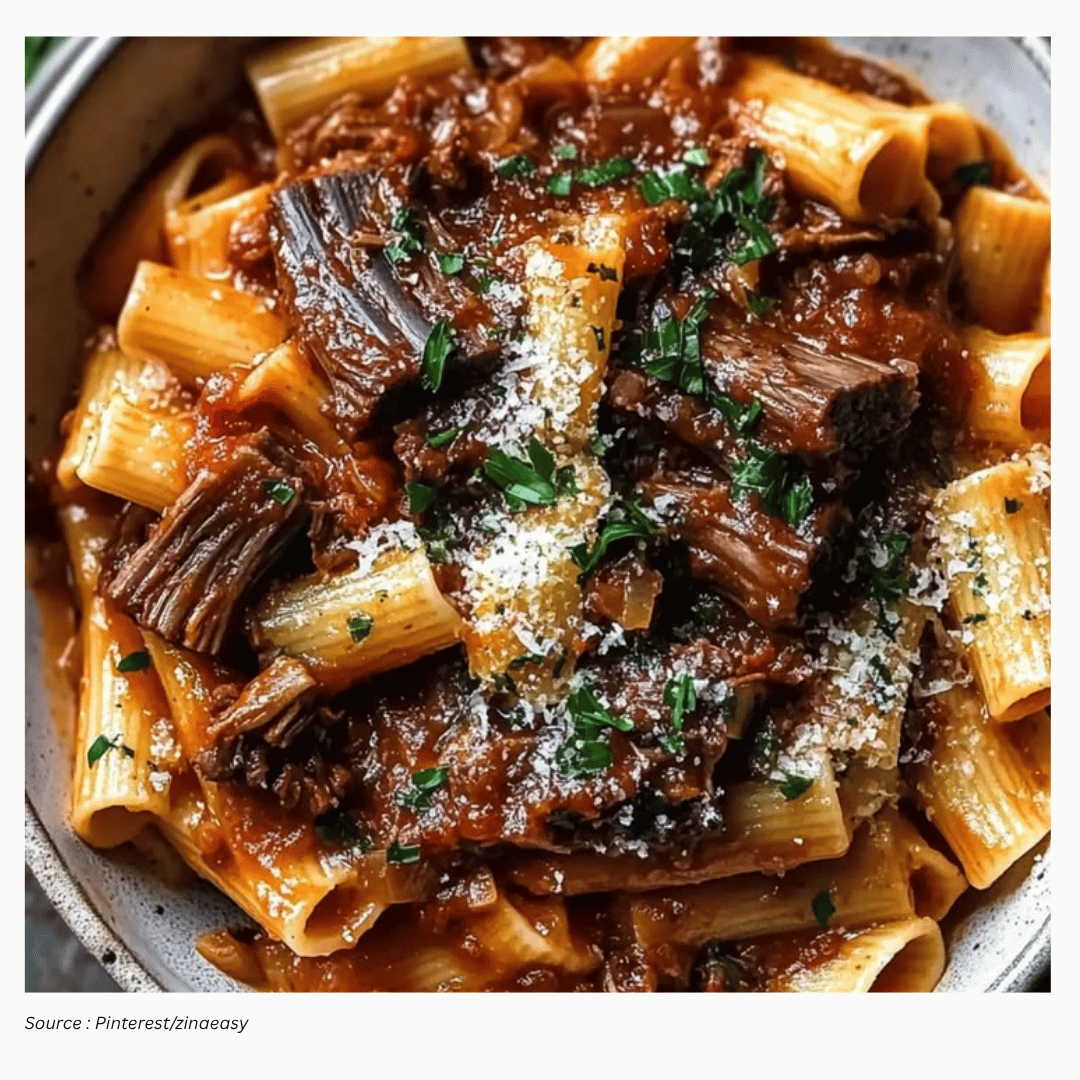
A slow cooker pasta night that tastes like a weekend project
Some dinners are comforting because they’re familiar; others earn their place because they deliver deep, slow-cooked flavor without demanding much from you. Slow cooker beef ragu sits squarely in the second camp. It’s the kind of pasta dish that feels restaurant-level once it hits the table—shredded beef, a rich tomato sauce, and noodles that catch every bit of that savory coating—yet the process is largely hands-off.
This version relies on chuck beef cooked low and slow until it turns tender enough to shred. The payoff is a sauce that’s less “tomato with meat” and more “meat with tomato,” the kind of hearty ratio that makes a bowl of pasta feel like a full meal. Pair it with pappardelle, and you get wide, flat ribbons that cling to the sauce instead of letting it slide off.
It’s also a practical recipe for real life. You can start it in the morning and return to dinner that night with minimal work left to do. And because it makes plenty, it’s built for leftovers—reheated for another meal or frozen for later.
Why tougher cuts shine in a slow cooker
The appeal of this dish starts with the cut of beef. Chuck roast (or brisket) is typically less expensive than premium steaks, but it can be chewy and tough if cooked quickly. The slow cooker solves that problem by giving the meat time to break down. After hours in the sauce, the beef becomes fall-apart tender and easy to shred, turning what might otherwise be a challenging cut into the star of the meal.
This is also why there’s no need to reach for luxury beef. The method is designed for economical cuts, and the long cook time is what transforms them.
What “ragu” means here (and how it differs from bolognese)
Ragu is a meat-based sauce built around tomatoes, mirepoix, and red wine. Many home cooks also know bolognese, which is a version of ragu that originated in Bologna. The key distinction in this context is that bolognese typically uses white wine and less tomato. This slow cooker sauce falls on the ragu side of the family: a meat-forward, tomato-based sauce with red wine contributing depth.
The flavor builders: wine, tomatoes, and time
One of the defining ingredients in this ragu is wine. It’s described as a key element for depth of flavor, and the guidance is straightforward: use a wine you’d actually drink. The logic is simple—if it tastes good in a glass, it’s more likely to taste good in the pot.
That said, wine isn’t the only option. If you prefer not to cook with it, you can substitute beef or chicken stock instead. You’ll still get a rich, slow-cooked sauce; you’ll simply be building flavor with broth rather than wine.
Step-by-step overview: how the slow cooker beef ragu comes together
The full ingredient list and detailed instructions typically live in a recipe card, but the core method is clear and approachable. Think of it as three phases: sear, slow cook, then finish with pasta.
- Sear the beef: Season the beef and sear it in a skillet until browned on all sides. This is a short step that helps build flavor before the long cook.
- Load the slow cooker: Add the remaining ingredients to the slow cooker along with the seared beef.
- Cook low and slow: Cook on high for 6 hours or low for 8–10 hours.
- Shred and finish the sauce: Discard the bay leaves, then shred the beef directly into the sauce.
- Cook pasta and reserve water: Cook your pasta and save about 3/4 cup of pasta water.
- Combine pasta and ragu: Add the pasta back to the pot, add the beef sauce, and stir in the reserved pasta water until everything is well combined.
That reserved pasta water matters more than it might sound. Stirring it in helps the sauce and pasta come together into a cohesive dish rather than a bowl of noodles topped with sauce.
Why pappardelle is a standout choice (but not the only one)
You can use almost any pasta shape with this ragu—spaghetti, fettuccine, ziti, and more will all work. But pappardelle is highlighted as a best match because its wide, flat noodles soak up the sauce and cling to the shredded beef. In a sauce this hearty, that cling factor makes a difference: each bite carries meat and tomato rather than leaving them behind in the bowl.
If you want to take the dish in a different direction, you can also serve the ragu over goat cheese polenta instead of pasta, turning it into a spoonable, comforting bowl that still showcases the slow-cooked beef.
The ricotta finish: a simple way to add creaminess
One serving idea that elevates the final bowl is whipped ricotta. The method is simple: whip ricotta in a food processor, spread a layer in the bottom of a pasta bowl, then spoon the beef ragu pasta on top. It’s a small extra step that adds a creamy contrast to the rich sauce.
To finish, you can add Parmesan cheese and parsley if desired. These are optional, but they provide a classic salty, fresh counterpoint to the deep, slow-cooked flavors.
Easy variations and swaps
This is a flexible dish, and the guidance encourages mixing up ingredients to suit what you have or how you prefer to eat. A few practical options are built into the approach:
- Make it vegetarian: Replace the beef with plant-based alternatives such as crumbled tempeh or tofu. Use vegetable broth and dairy-free options if you want creaminess without dairy.
- Skip the wine: Substitute beef or chicken stock in place of wine.
- Change the base: Use a different pasta shape, or serve the ragu over goat cheese polenta.
These swaps keep the spirit of the dish intact: a rich, tomato-based sauce with a hearty, satisfying texture.
Can you make it without a slow cooker?
If you like the idea of this ragu but want a faster route, it can also be made in an Instant Pot. The core concept remains the same—use time and pressure (instead of time alone) to break down the beef until it’s tender enough to shred.
Planning ahead: storage, freezing, and leftovers
This ragu is designed for the kind of cooking that pays you back later. Once it’s made, you’ll likely have enough for another meal or two, and it stores well.
- Refrigerator: Store in an airtight container for about 3 days.
- Freezer: Freeze for up to 3 months.
There are also two practical ways to freeze it, depending on whether you want to prep ahead or save cooked leftovers.
- Freeze ahead (before cooking): Sear the beef and let it come to room temperature. Add all ingredients to a zip-top bag, lay it flat to freeze, and keep it frozen for up to 3 months. When you’re ready, thaw overnight in the fridge and start the slow cooker in the morning.
- Freeze after cooking: Let the cooked ragu come to room temperature, then transfer to a zip-top bag or airtight container and freeze for up to 3 months.
Either way, the goal is the same: make a big batch once, then pull a ready-to-go dinner from the freezer when you need it.
How to reheat without drying it out
Leftover pasta can turn stiff if reheated without moisture. The preferred method here is simple and effective: use a skillet with a splash of water and warm it over medium-low heat until heated through. The added water helps loosen the sauce and bring the pasta back to a saucy consistency.
If you’re short on time, the microwave works too. Place leftovers in a microwave-safe bowl with a splash of water, microwave for 1 minute, stir, then microwave for another minute (or until heated through).
Serving ideas to round out the meal
This beef ragu is satisfying on its own, but it can also be served with a variety of sides. The general idea is to pair it with something that complements a rich, tomato-and-beef sauce—either something fresh to balance it or something comforting to match it.
If you’re serving guests, the whipped ricotta base and a finishing sprinkle of Parmesan and parsley can make the bowls feel a little more special without adding complexity.
Equipment that helps the recipe succeed
The equipment you use plays a role in how smoothly the process goes. At minimum, you’ll want a slow cooker for the long simmer and a skillet for searing the beef. A pot for boiling pasta is essential, and a food processor is useful if you plan to whip ricotta for serving.
With those basics in place, the recipe is largely about patience—letting the slow cooker do the heavy lifting until the beef is tender and the sauce tastes fully developed.
A weeknight-friendly ragu that still feels special
Slow cooker beef ragu hits a sweet spot: it’s easy enough for a weeknight, but the results feel like something you’d order out. The method is built around smart choices—using a budget-friendly cut, searing for flavor, and giving the sauce time to become rich and cohesive. Whether you stick with pappardelle, swap in another pasta, or spoon it over polenta, the end result is the same kind of comfort: a bowl of pasta that’s deeply satisfying, generously sauced, and well worth making in a big batch.