
Rigatoni Bolognese: A Hearty, Comforting Pasta Dinner in 45 Minutes
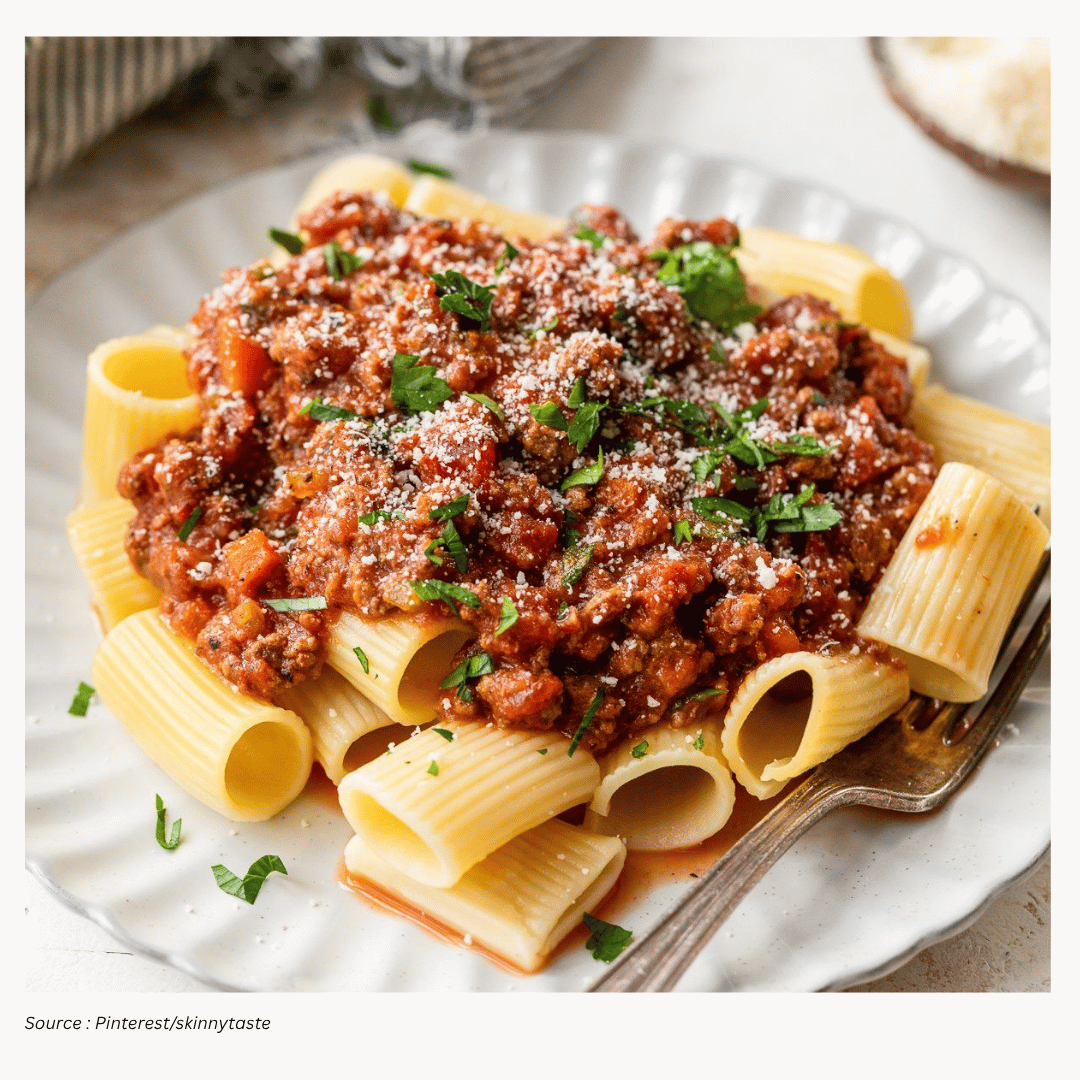
A classic comfort-food approach to pasta night
When comfort food is the goal, pasta is often the first place many home cooks turn. It’s warming, familiar, and endlessly adaptable—whether you’re leaning into rich cheese, garlicky sauces, or hearty meat-based ragù. Among the many options, bolognese holds a special place as one of the original, reliable “go-to” pasta sauces: deeply savory, satisfying, and a little more elevated than a basic weeknight meat sauce.
This rigatoni bolognese recipe is designed to deliver that hearty, comforting flavor in a practical timeframe. The full meal can be ready in about 45 minutes, making it realistic for a weeknight while still feeling like something you’d happily serve to guests. The method focuses on building flavor in layers—browning vegetables, developing the beef, deglazing with wine, and finishing the sauce with cream, basil, nutmeg, and Parmesan before tossing everything with rigatoni.
Why rigatoni works so well with bolognese
Rigatoni is a particularly strong match for bolognese sauce. Its tube shape and ridges help capture and hold onto the meat-based sauce, so each bite tastes well-coated rather than slick or watery. The pasta’s structure also stands up to a sauce that has both body and texture, which is exactly what you get here after simmering tomatoes with browned vegetables and beef.
In other words, this isn’t a delicate sauce that needs a thin noodle. It’s a hearty, comforting mixture meant to cling, coat, and satisfy—qualities that rigatoni is built for.
What makes bolognese different from a typical spaghetti sauce
Bolognese sauce is traditionally associated with Bologna, Italy. In this style, the sauce is meat-based and commonly includes tomatoes and wine, along with either milk or cream. That combination is part of what gives bolognese its signature character: rich, savory, and rounded.
By contrast, a typical spaghetti sauce is often more tomato-forward and may not include meat at all. The difference isn’t just about ingredients—it’s also about emphasis. Bolognese is built around meat and depth, while spaghetti sauce often highlights tomatoes as the primary flavor.
Ingredient flexibility and easy variations
One of the strengths of a bolognese-style pasta is how adaptable it can be. Even when you have a “pretty perfect” base method, it’s still easy to mix up ingredients to suit what you have on hand or what your household prefers. This recipe is designed with that flexibility in mind.
While the full ingredient list and exact measurements are typically organized in a recipe card, the overall structure is straightforward: vegetables form the foundation, beef provides the hearty center, tomatoes bring body and balance, and the finishing ingredients (cream, basil, nutmeg, Parmesan) add richness and aroma.
Step-by-step overview: building flavor in layers
The key to a satisfying bolognese is taking a few intentional steps that deepen flavor without requiring hours of simmering. This version keeps the process efficient while still prioritizing browning, deglazing, and finishing the sauce carefully.
- Blend the vegetables: Start by blending the vegetables in a food processor. This creates a fine mixture that cooks down quickly and integrates smoothly into the sauce.
- Sauté until browned and dry: Transfer the blended vegetables to a large skillet with olive oil over medium-high heat. Cook until they’ve browned and any excess water has evaporated. This step concentrates flavor and prevents the sauce from tasting watery.
- Brown the beef: Once the vegetables are ready, brown the beef. Browning is important; it creates deeper, more savory notes than simply cooking until no longer pink.
- Add herbs and heat: After the beef is browned, incorporate the herbs and crushed red pepper flakes. This distributes the seasoning throughout the fat and meat, helping the flavors bloom.
- Deglaze with wine: Add wine to deglaze the skillet, lifting up the flavorful browned bits from the bottom of the pan. This step also adds complexity to the sauce.
- Build the tomato base: Stir in the tomatoes, tomato paste, salt, and pepper. Bring the mixture to a boil, then reduce the heat and let it simmer for about 10 minutes.
- Finish for richness: Stir in nutmeg, basil, and cream. These ingredients round out the sauce and help create a more traditional bolognese-style richness.
- Toss with rigatoni and Parmesan: Fold in the cooked rigatoni and Parmesan cheese, coating the pasta thoroughly so the sauce clings to every piece.
Even though the simmer time is relatively short, the earlier steps—especially browning the vegetables and beef—help the sauce taste developed and comforting rather than rushed.
Wine: flavor booster, but not required
Wine is used in this recipe to deglaze the pan and add flavor to the sauce. That said, it isn’t mandatory. If you prefer not to cook with wine or simply don’t have any available, you can replace it with beef broth or vegetable broth. The goal is to loosen the browned bits from the skillet and incorporate them into the sauce, and broth can do that effectively.
This flexibility makes the recipe easier to fit into different kitchens and preferences without changing the overall spirit of the dish.
Serving ideas: keep it simple or add sides
Rigatoni bolognese is a complete-feeling meal on its own: pasta, sauce, and cheese in one bowl. Still, it also pairs well with a variety of sides if you want to turn it into a more expansive dinner. Because the dish is rich and hearty, many cooks like to balance it with something lighter or crisp on the side.
The recipe is designed to be satisfying whether you serve it as a standalone pasta bowl or as the centerpiece of a larger table.
Equipment that helps the recipe go smoothly
The equipment you use can influence both ease and results. This recipe specifically relies on a few practical tools that support the method:
- Food processor: Used to blend the vegetables quickly and evenly before cooking.
- Large skillet: Important for browning the vegetables and beef properly, and for simmering the sauce before tossing with pasta.
Having enough surface area in the skillet matters, especially during browning. Crowding can slow evaporation and reduce browning, which can affect flavor.
Storage: a reliable make-ahead option
This rigatoni bolognese holds up well as leftovers, which is part of what makes it such a practical comfort-food recipe. Stored in an airtight container in the refrigerator, it will last about three days. If you want to keep it longer, it can also be frozen for up to three months.
Because the sauce includes cream and cheese, reheating gently is helpful for maintaining the best texture.
How to reheat without drying it out
Pasta dishes can dry out in the fridge, so adding a small splash of water while reheating helps restore the sauce’s consistency. Two reheating methods work well:
- Skillet method (preferred): Place leftover pasta in a skillet with a splash of water. Cook on medium-low heat until warmed through, stirring as needed to keep it from sticking and to help the sauce loosen.
- Microwave method: Place the pasta in a microwave-proof bowl with a splash of water. Microwave for 1 minute, stir, then microwave for another minute or until heated through.
Either approach aims to warm the pasta evenly while keeping the sauce creamy and cohesive.
A quick recap of what to expect
This rigatoni bolognese is built for cooks who want a hearty, comforting pasta dinner without an all-day simmer. In about 45 minutes, you can go from raw ingredients to a finished bowl of rigatoni coated in a meat-based sauce with tomatoes, wine (or broth), and a creamy finish. The method emphasizes browning and deglazing for flavor, then brings everything together with Parmesan for a satisfying final touch.
It’s also a practical recipe beyond the first meal: it stores well, reheats easily with a splash of water, and can be frozen for longer-term planning. If you’re looking for a dependable pasta night staple—something that feels classic, filling, and broadly appealing—rigatoni bolognese fits the bill.