
Pan-Seared Cuban Mojo Chicken: A Bright, One-Skillet Dinner Built on Citrus, Garlic, and Cumin
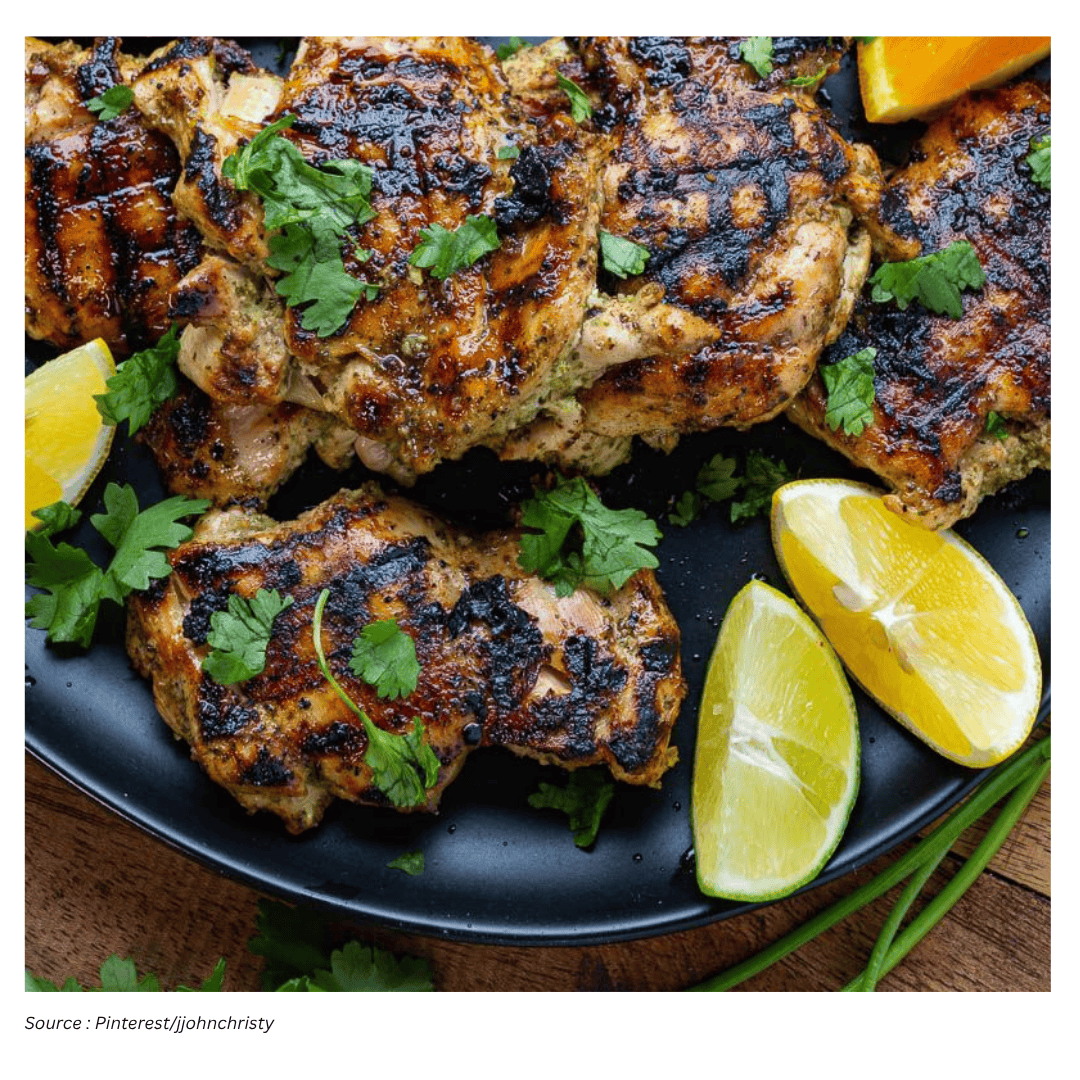
A fresh-flavored chicken dinner that earns a regular spot in the rotation
Chicken may be one of the most adaptable proteins in the kitchen, but that versatility can also make it feel like a blank canvas—especially when you’re craving something that tastes unmistakably lively. Cuban mojo chicken answers that problem with a flavor profile that’s bright and punchy rather than heavy: herby, citrusy, zesty, and tangy. In this version, the chicken is marinated overnight, quickly pan-seared to brown the skin, then baked in the same skillet with the reserved marinade stirred into the pan drippings. The result is a one-skillet meal that tastes fresh yet still lands as comforting dinner food.
The heart of the dish is the mojo-style marinade: a blended mix of oil, citrus juices, cilantro, garlic, soy sauce, spices, and (optionally) chipotle hot sauce. The overnight marinating time matters, and so does what happens after searing—when the marinade is added back into the skillet to mingle with the browned bits and drippings. That combination of long marination and pan sauce is what helps the flavor show up in “each and every bite,” turning neutral chicken into something that feels special without requiring complicated techniques.
Why the chicken cut matters (and how to keep it cooking evenly)
Mojo marinade brings the personality, but the chicken itself sets you up for success. This approach uses a mix of bone-in, skin-on chicken breasts and thighs. Because breasts are typically larger, the breasts are halved so they’re closer in size to the thighs. That small piece of prep is less about presentation and more about control: when the pieces are similar in size, they cook more evenly, reducing the risk that some pieces dry out while others lag behind.
You can tailor the chicken selection to your preferences. White meat, dark meat, or a combination all work. Drumsticks can also be used. The main caution is about wings: unless you’re committing to an all-wing version, they’re best avoided here because they won’t match the cooking time and size of the other pieces.
Bone-in chicken is preferred for juiciness and flavor, and skin-on pieces give you the chance to develop a browned, crisp exterior during the sear. That said, boneless chicken can still be marinated the same way; it simply won’t need as much time to cook through.
The mojo marinade: what goes in, and what it contributes
This recipe’s mojo-style marinade is built from a short list of ingredients that each plays a role in the final flavor. The core is citrus, garlic, and cumin—a trio that carries the dish. Around that foundation are supporting ingredients that deepen and round out the taste: cilantro for herbaceous freshness, oregano for an additional herbal note, soy sauce for savory depth, and chipotle hot sauce for a subtle, smoky-leaning heat if you want it.
- Olive oil
- Cilantro
- Orange juice
- Lime juice
- Garlic cloves
- Soy sauce
- Chipotle hot sauce (optional, adjustable)
- Oregano
- Cumin
- Salt
- Pepper
For serving, extra citrus slices and fresh cilantro can be kept on hand as simple garnishes. They reinforce the dish’s “fresh” identity and make the finished plate look as vibrant as it tastes.
Step-by-step method: blend, marinate, sear, then bake
The workflow is straightforward, but it’s designed to layer flavor at each stage: first in the blender, then during the overnight marination, then through browning, and finally by baking the chicken in a pan sauce made from the reserved marinade and drippings.
- Place olive oil, cilantro, orange juice, lime juice, garlic cloves, soy sauce, chipotle hot sauce, oregano, cumin, salt, and pepper in a blender.
- Blend until smooth, then set the marinade aside.
- Pat the chicken pieces dry with paper towels.
- Arrange the chicken in a large casserole dish.
- Cover with plastic wrap and marinate in the refrigerator overnight.
- Remove the chicken from the marinade, letting excess drip off, and place it on a wire rack.
- Let the chicken rest for 30 minutes.
- Heat olive oil in a large oven-proof skillet over medium-high heat.
- Sear the chicken on both sides until browned, working in batches if needed.
- Remove the chicken from the skillet.
- Add the reserved marinade to the skillet and stir to combine with the pan drippings.
- Loosely tent the skillet with aluminum foil and place it in the oven.
- Bake for 35 minutes or until the chicken is cooked through.
- Serve garnished with fresh citrus and herbs.
Two small details are doing a lot of work here. First, patting the chicken dry before it goes into the marinade is a practical prep step that helps you start with clean, manageable pieces. Second, letting the chicken rest on a wire rack for 30 minutes after marinating helps it come closer to cooking temperature before it hits the hot skillet, which supports more even cooking.
Fresh citrus isn’t optional here
Mojo chicken’s signature “freshness” comes largely from orange juice and lime juice. It can be tempting to use convenience products—carton orange juice or bottled lime juice—but this is the one area where the recipe strongly discourages shortcuts. The key elements are the fresh citrus juice, garlic, and cumin, and keeping those intact is essential to the intended flavor. Using fresh-squeezed juices is the best way to get the bright, clean taste that defines the dish.
In other words: if you’re going to focus on one quality upgrade, make it the citrus. It’s not just acidity; it’s the aromatic lift that makes the chicken taste zesty and vivid rather than simply “marinated.”
Flexible swaps and adjustments (without losing the mojo character)
While the citrus-garlic-cumin foundation is treated as non-negotiable, several of the supporting ingredients can be adjusted to fit your preferences or pantry.
- Cilantro: Important to the flavor profile, but if you dislike it, swap in parsley or a parsley–Thai basil combination.
- Oregano: Fresh oregano can be replaced with dried oregano. If using dried, reduce the amount to 1 teaspoon in place of 1 tablespoon fresh.
- Chipotle hot sauce: Increase it if you want more heat, or omit it entirely if you prefer no spice or don’t want the chipotle-forward note.
These options keep the recipe practical. They also make it easier to serve a range of tastes at the table, from spice lovers to those who prefer a milder, citrus-led chicken.
Serving ideas: a comforting plate that still tastes bright
Mojo chicken is described as an ideal match for Cuban black beans and yellow rice, a pairing that underscores why the dish works so well for weeknights and gatherings alike. The chicken brings tang and herbs; the sides bring comfort and balance. Even without changing the cooking method, a finishing garnish of fresh citrus and herbs can make the plate feel complete and intentional.
Because the recipe creates a pan sauce by stirring the reserved marinade into the drippings, each serving can carry that citrusy, garlicky flavor beyond the meat itself—especially helpful when you’re plating the chicken alongside rice or beans.
Alternative method: grilling for charred edges and the same bright marinade
If you’d rather cook outdoors or simply want the flavor of the marinade with grill marks, the chicken can be grilled instead of pan-seared. The approach uses two heat zones: preheat one side of the grill to medium-high heat and the other to medium-low. Start the chicken on the hotter side just long enough to form grill marks, then choose how you want to finish cooking it.
- After marking on the hot side, transfer the chicken to an oven-proof skillet and finish it in the oven as written.
- Alternatively, transfer the chicken to a skillet and finish cooking it on the grill (this takes longer).
- Or move the chicken to the lower-temperature side of the grill and finish it there.
If you go with the full grilling route, basting with residual mojo marinade as the chicken grills helps keep the flavor front and center.
No big oven-proof skillet? A simple workaround that keeps the same end result
One practical limitation with one-skillet recipes is capacity. If your oven-proof skillet can’t fit all the chicken pieces at once, you can still follow the same idea without forcing a crowded pan. Sear the chicken in batches in whatever pan you have, then set the pieces aside. Add the residual marinade to the pan and simmer it for about 2 minutes. From there, transfer the marinade to a casserole dish large enough to hold all the chicken, arrange the chicken on top, and finish the recipe in the oven as written.
This workaround preserves the key elements: browning for flavor, a sauce that incorporates the marinade, and an oven finish that brings the chicken to doneness while keeping it juicy.
Putting it all together: what makes this mojo chicken work
This recipe succeeds because it treats “fresh flavor” as a process rather than a last-minute garnish. The blended marinade distributes garlic, herbs, citrus, and spices evenly. The overnight marination gives that mixture time to do its job. The sear builds browned flavor and texture, especially on skin-on pieces. And the final bake in a sauce made from reserved marinade and pan drippings ties everything together into a cohesive, bright, and satisfying chicken dinner.
Whether you stick to the oven-proof skillet method, adapt it to the grill, or finish in a casserole dish for a larger batch, the dish keeps its identity: citrus-forward, herb-laced mojo chicken with a tangy, savory edge and a juicy interior.