
One-Pot Vegetable Red Curry: A Fast, Creamy Weeknight Dinner With Flexible Swaps
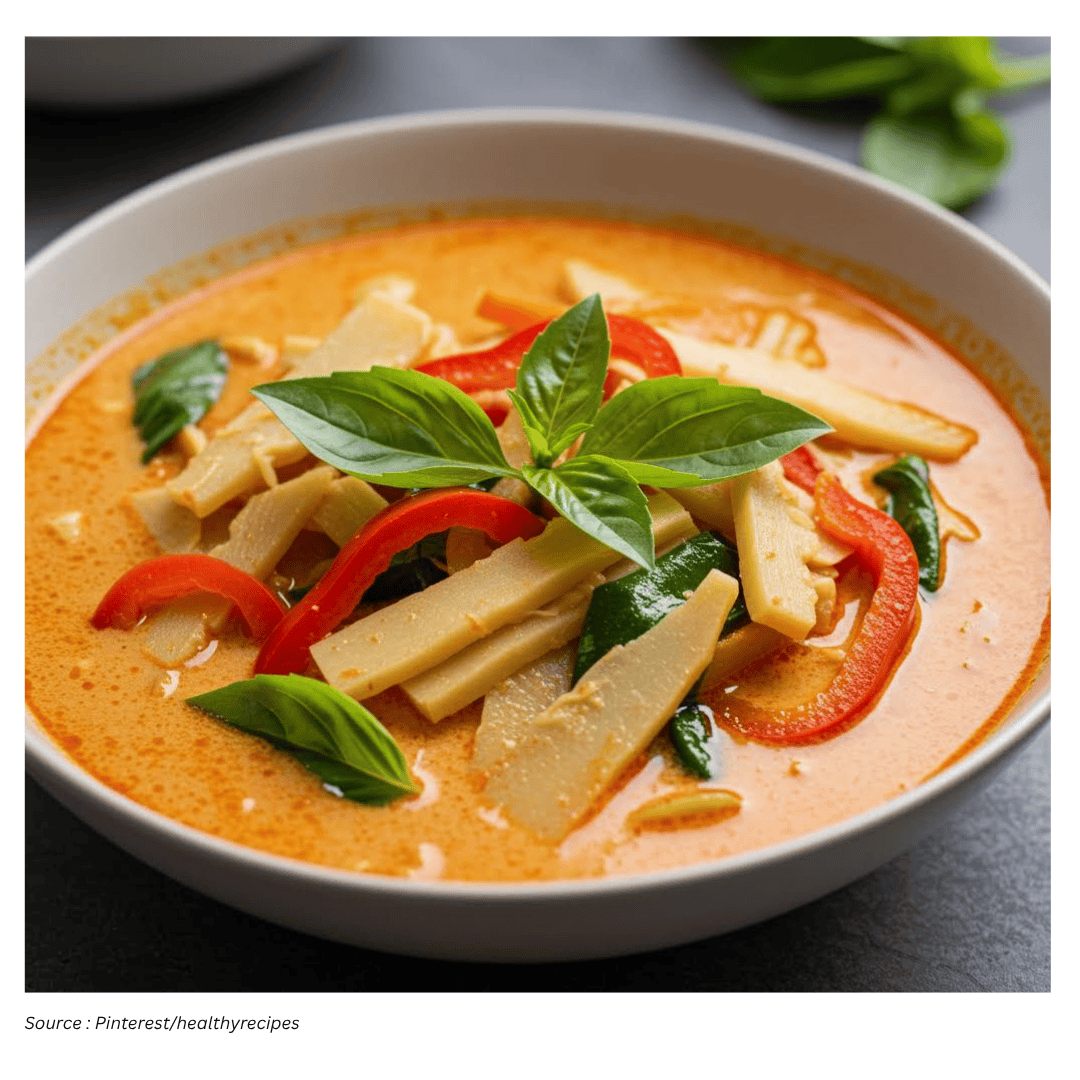
A one-pot curry built for busy nights
One-pot meals earn their reputation in the most practical way: they make it easier to cook nourishing food consistently. When everything happens in a single pan, the payoff is immediate—less cleanup, fewer moving parts, and a smoother path from prep to dinner. This one-pot vegetable red curry leans into that convenience without giving up what makes curry worth making in the first place: layered flavor, contrast in texture, and a satisfying, cozy finish.
The dish is creamy and vibrant, with a slight kick from red curry paste. That heat is balanced by tender bell peppers, carrots, mushrooms, and kale that wilts into the sauce. Coconut milk brings richness, soy sauce adds savory depth, coconut sugar rounds the edges with a touch of sweetness, and lime juice brightens the whole pot right at the end. The result is a weeknight-friendly curry that comes together in under 30 minutes and still tastes like something you’d happily eat again tomorrow.
Why this vegetable red curry works
This recipe is structured to build flavor in quick stages. First, onion is sautéed until it softens and sweetens. Garlic and ginger follow for aroma and warmth. Then the vegetables cook until the carrots turn tender, which is key because they’re the slowest-cooking component in the mix. Only after the vegetables have started to soften does the curry paste go in, giving it a short moment in the pan to bloom and deepen before the liquid ingredients arrive.
Once coconut milk, soy sauce, coconut sugar, and kale are added, the curry simmers gently on medium-low heat. That final simmer is where the sauce becomes cohesive and the kale turns silky. A garnish of cilantro and a squeeze of lime finish the dish with freshness and contrast—especially welcome against the creamy base.
Ingredients to gather before you start
The shopping list is produce-forward, with a few pantry staples doing the heavy lifting on flavor. You’ll start in the produce aisle for the vegetables and aromatics, then pick up curry paste and coconut milk to form the backbone of the sauce.
- Onion
- Garlic
- Ginger
- Red bell pepper
- Yellow bell pepper
- Carrots
- Mushrooms
- Lacinato kale
- Lime
- Cilantro (for garnish)
- Red curry paste
- Coconut milk
- Soy sauce
- Coconut sugar
- Oil (any type works)
- Optional: rice for serving
When choosing red curry paste, it helps to check the ingredient list. If you can find one that includes galangal and lemongrass, you’ll be closer to classic Thai flavor notes.
Step-by-step: the one-pan method
You’ll need a large, deep frying pan—something roomy enough to hold the vegetables and sauce comfortably. The cooking process is straightforward, and the order matters because it’s designed to keep the vegetables tender (not mushy) while giving the curry paste time to develop.
- Add oil to a large, deep frying pan and bring the heat to medium.
- Add the onion and sauté for 5 minutes, stirring frequently.
- Add the garlic and ginger and cook for another minute.
- Add the bell peppers, carrots, and mushrooms and cook for 8 minutes, or until the carrots are tender.
- Stir in the curry paste and cook, stirring, for 2 minutes.
- Add the kale, coconut milk, soy sauce, and coconut sugar. Cook on medium-low heat for 10 minutes.
- Garnish with cilantro and serve, optionally with steamed rice.
Served over rice, the curry becomes a complete, comforting meal. Served on its own, it still delivers plenty of substance thanks to the variety of vegetables and the richness of coconut milk.
Flavor profile: creamy, savory, bright
Red curry paste sits in a useful middle ground: it’s spicy, but typically not overwhelmingly so. In this dish, its heat is softened by coconut milk and balanced by sweetness from coconut sugar. Soy sauce contributes a rich umami note that makes the curry taste deeper and more rounded, while lime juice adds brightness that keeps the sauce from feeling heavy.
Texture is part of the appeal, too. Bell peppers become tender but still hold their shape. Carrots provide a soft bite once cooked through. Mushrooms bring their own savory character, and kale wilts into the sauce, adding body and a hearty green element.
Easy vegetable substitutions (and how to adjust)
Like many curries, this one is flexible. The base method—aromatics, vegetables, curry paste, coconut milk—can support a range of swaps depending on what you have available or what you’re craving that week. If you change the vegetables, the main thing to watch is cook time, especially for denser options.
- Swap carrots: Use sweet potato or butternut squash instead. Cut into 1/2-inch cubes and keep an eye on cooking time, since these may need a bit longer.
- Change the peppers: Add chopped zucchini or snap peas instead of, or in addition to, bell peppers.
- Replace mushrooms: Use chopped broccoli or cauliflower florets.
- Switch the greens: Any hearty green works in place of kale, including Swiss chard, collard greens, or spinach.
This kind of flexibility is especially useful if you plan to make the curry more than once. You can keep the same core flavors while changing the vegetables to suit the season or your fridge.
Choosing a curry paste (or using curry powder)
Thai curry pastes come in multiple colors, and each has its own character. Red curry paste is often considered the balanced option: flavorful and spicy, but not the most intense. If you want to shift the flavor without changing the overall method, you can choose a different paste and adjust to taste.
- Yellow curry paste: Milder and sweeter, with its yellow color coming from turmeric and curry powder.
- Green curry paste: Spicier and more vibrant; add a little at first and increase to your preference.
- Curry powder alternative: Instead of paste, use 1 tablespoon of curry powder and add a little more garlic to help make up for the difference in flavor intensity.
Because curry pastes vary in heat and saltiness, tasting as you go is a practical habit—especially if you’re switching brands or colors.
Making it creamy without coconut milk
Coconut milk is the classic choice here, delivering the dish’s signature creamy feel. But the recipe approach also allows for other options if coconut milk isn’t available or if you prefer a different base.
- Plant-based milk options: Unsweetened soy milk or flax milk can work for creaminess.
- Cashew cream: Blend 1/2 cup soaked raw cashews with 1/2 cup water to create a rich, neutral alternative.
Whichever route you take, the goal is the same: a smooth sauce that carries the curry paste and coats the vegetables.
Sweetness options: small tweaks, big balance
The sweetness in this curry isn’t meant to turn it into a sweet dish—it’s there to balance spice, salt, and richness. Coconut sugar is the listed option, but it’s not the only way to achieve that gentle rounding effect.
- Maple syrup
- Agave
- Date syrup
- Brown sugar (for a similar effect)
Even a small amount can shift the overall balance, so it’s worth adding gradually if you’re substituting.
Ways to make the curry heartier (plant-based options)
If you want the meal to feel more substantial while keeping it plant-based, you have several straightforward add-ins. These options integrate easily into the existing cooking flow and complement the curry’s flavor profile.
- Chickpeas: Rinse and drain, then add with the coconut milk step.
- Shelled edamame: Add frozen edamame directly with the coconut milk; it will thaw in the pot.
- Tofu: Use super-firm tofu, cube it, and add after the vegetables are tender and before adding the curry paste.
- Lentils: Another way to increase protein in a curry.
These additions can make the curry feel more like a complete bowl meal even without rice, while staying aligned with the dish’s creamy, vegetable-forward identity.
Protein at serving time: simple changes to the base
Not every protein choice needs to be cooked directly in the curry. Some can be introduced through what you serve it with. For example, serving the curry over quinoa instead of rice is one way to increase protein while keeping the meal plant-based.
If you want to add animal protein, the same one-pan approach can still work. Thinly sliced chicken breast can be added after sautéing the onion and cooked for about 10 minutes. For red meat, very thinly sliced flank steak can be added after cooking the garlic and ginger.
Meal prep and leftovers: a curry that holds up
This is the kind of dish that fits naturally into a weekly routine. It’s positioned as a strong option for Meatless Monday and works whether you’re experienced in the kitchen or just getting comfortable with cooking. It also stores well in the fridge, making it practical for easy meals throughout the week.
Because the flavors are built in layers—aromatics, curry paste, coconut milk, soy sauce, lime—the curry stays satisfying even after it’s been chilled and reheated. If you’re planning ahead, you can also keep rice (or quinoa) ready separately so each serving can be assembled quickly.
The takeaway
This one-pot vegetable red curry is designed to be both comforting and efficient: a creamy, cozy bowl with a gentle kick, balanced by sweetness and finished with lime for brightness. With bell peppers, carrots, mushrooms, and kale as the core vegetables—and plenty of room for substitutions—it’s a flexible template you can return to whenever you want a fast, satisfying meal with minimal cleanup.