
Beef Salpicao: A Fast, Garlicky Stir-Fry for Busy Weeknights
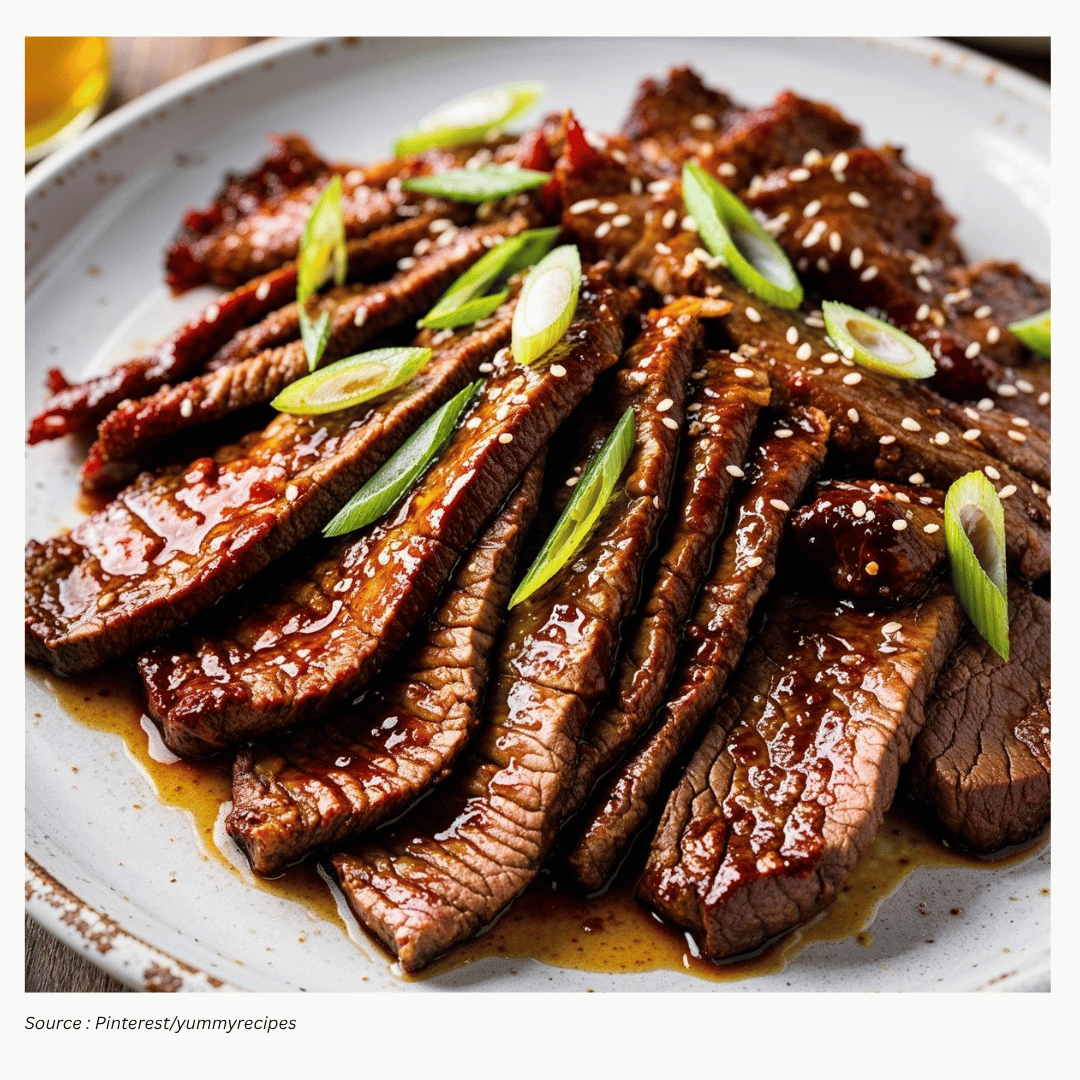
A weeknight stir-fry that doesn’t feel like a compromise
When time is tight and you still want something satisfying, stir-fries tend to rise to the top of the list. They’re quick, adaptable, and built for big flavor with minimal fuss. Beef salpicao fits that category perfectly: it’s an easy stir-fry dish loaded with a garlicky, umami-flavored sauce—and it can be prepared in under 20 minutes.
The appeal is straightforward. You’re working with a short ingredient list (nine ingredients, according to the recipe notes), a simple technique, and a result that tastes like more effort went into it than actually did. The dish is also flexible enough to accommodate small changes, which is helpful when you’re cooking midweek and using what you already have.
What beef salpicao is, and where it comes from
Beef salpicao is a dish that originated in the Philippines. It’s typically made with tender cubes of beef that are marinated in a flavorful sauce and then quickly stir-fried with garlic until cooked to medium or medium-rare. It’s usually served with rice and topped with fried garlic, which adds both flavor and texture.
That final flourish—fried garlic—matters more than it might seem at first glance. It reinforces the dish’s signature garlicky character while giving each bite contrast: savory sauce-coated beef paired with crisp, aromatic garlic pieces.
The flavor profile: garlicky, savory, and built on umami
Beef salpicao is described as “garlicky” and “umami flavored,” which captures the heart of the dish. The sauce is whisked together separately, then added to the hot pan after the beef has been seared. This sequence is important because it helps you keep the beef tender while still building a glossy, flavorful coating.
Even with a small number of ingredients, the dish aims for a “burst of flavor in every bite.” That’s one reason it works so well as a quick dinner: you don’t need a long simmer or complicated prep to get a satisfying result.
How the cooking process works (and why the order matters)
The method is designed for speed and texture. It breaks down into a few clear steps:
- Cook the garlic in a skillet until golden brown, then remove it when done.
- Meanwhile, make the sauce by whisking together the ingredients.
- Sear the beef over medium-high heat before adding the sauce and butter.
- Coat the beef, then add the garlic back in before serving.
This order helps you control two things at once: the garlic’s color and crispness, and the beef’s doneness. Cooking the garlic first allows it to turn golden without competing for attention in the pan while you sear the beef. Removing it prevents it from going too far while the beef cooks at high heat.
Separately whisking the sauce also keeps the process efficient. Once the beef is seared, you can add the sauce and butter quickly, coat the pieces, and finish with the garlic.
Don’t overcook the beef: the key to tenderness
If there’s one technical point that matters most in beef salpicao, it’s doneness. The guidance is clear: cook the beef to medium-rare or medium, or it will be too tough. That’s why the beef is cooked at high temperature for a short time—about 1 to 2 minutes per side.
This is a common challenge with quick stir-fries: the temptation is to keep cooking “just to be safe,” but with tender cubes of beef, extended heat can quickly push the texture from juicy to chewy. High heat and short cook time are the practical solution here, especially because the sauce is added after the sear rather than at the beginning.
Ingredient flexibility: easy ways to adapt the dish
Like any recipe, beef salpicao can be adjusted. The notes emphasize that you can mix up the ingredients, and that while the dish is made with beef, you can also use chicken or pork. The main caution is that cooking time will need to be adjusted depending on the protein you choose.
This flexibility makes the dish useful beyond a single occasion. If you like the garlicky, umami-forward sauce and the quick stir-fry approach, you can keep the same overall method while changing the main ingredient to suit what you have available.
Serving: simple, classic, and satisfying
Traditionally, beef salpicao is served with rice, which makes sense for a dish built around a bold sauce. Rice helps balance the intensity of the garlicky, savory coating and turns the stir-fry into a complete meal.
The finishing touch—topping with fried garlic—does more than add aroma. It provides a crisp contrast to the tender beef, and it reinforces the dish’s defining flavor. It’s a small step that can make the final plate feel more intentional, even when you’re cooking quickly.
Leftovers and reheating: what to expect
Beef salpicao can be made ahead in the sense that leftovers store well in the fridge for 2 to 3 days in an air-tight container. However, there is an important note about texture: the beef’s texture might be compromised after reheating. That’s a realistic expectation for a dish that’s designed to be cooked quickly to medium-rare or medium.
For reheating, microwaving is an option, but the preferred approach is to warm it in a skillet over low heat with the sauce until warmed through. Lower heat helps reduce the risk of pushing the beef into overcooked territory, and reheating with the sauce helps maintain moisture.
Pairing ideas: what to serve alongside
This beef salpicao recipe is described as great on its own, but it also works with side dishes. Because the dish is rich and savory, many people will naturally lean toward simple sides that don’t compete with the garlicky sauce—especially if rice is already on the table.
If you’re planning a fuller spread, the main idea is to keep the sides supportive: something that complements the beef and helps round out the meal without distracting from the stir-fry’s core flavors.
Equipment considerations
The notes also point out that the equipment you use is important to how the recipe turns out, and that certain items are needed. While the specific list isn’t included here, the method itself suggests why equipment matters: you need a skillet that can handle medium-high heat for searing, and you need enough space in the pan to give the beef contact with the hot surface.
Because timing is central—golden garlic, quick sear, fast sauce coating—having your tools ready before you start cooking can make the process smoother and help you hit the intended texture.
Why this dish earns a spot in your regular rotation
Beef salpicao is the kind of recipe that’s easy to return to, especially if you value meals that are both fast and flavorful. It’s positioned as a weeknight-friendly option: minimal ingredients, straightforward steps, and a cook time that can fit into a busy schedule. At the same time, it still delivers the kind of savory, garlicky impact that makes dinner feel special.
It’s also a dish that encourages confidence in the kitchen. Once you understand the core sequence—brown the garlic, sear the beef quickly, coat with sauce and butter, finish with garlic—you can repeat it reliably and adjust as needed. That combination of speed, flexibility, and strong flavor is exactly what many home cooks look for when building a practical recipe repertoire.
A quick recap of the method
- Brown the garlic until golden, then remove it to prevent burning.
- Whisk the sauce ingredients together while the garlic cooks.
- Sear the beef over medium-high heat, about 1–2 minutes per side.
- Add the sauce and butter, then coat the beef.
- Finish by adding the garlic back in before serving.
Cook the beef only to medium-rare or medium for the best texture, serve with rice, and expect leftovers to keep for a couple of days—ideally reheated gently in a skillet over low heat with the sauce.
For many households, dishes like this become repeat favorites. As one home cook put it after trying the recipe: it was a hit with the family and worth making again.