
A Bakery-Style Banana Bread Recipe With Pecans, Nutmeg, and a Moist Sour Cream Crumb
Why banana bread remains a quick-bread classic
Banana bread sits in a sweet spot of home baking: it feels like cake, slices like a snack bread, and is forgiving enough for everyday cooks. It also has a practical charm—those overly ripe bananas on the counter become the main ingredient rather than food waste. The result is a moist loaf with subtle sweetness and a familiar aroma that many people associate with comfort and nostalgia.
Even though banana bread is commonly made at home, there is a particular appeal to the glossy, golden-brown loaf you might see in a bakery display. The recipe below is designed to bring that “window-case” look and texture into a home kitchen, with a cake-like crumb and flavors that go beyond basic banana.
What makes this loaf taste “bakery-worthy”
This version builds on the classic mellow flavor of bananas and layers in richness and warmth. Butter and light brown sugar provide a deep sweetness and a caramel-like note, while chopped raw pecans add buttery flavor and a pleasant bite. Ground nutmeg contributes a distinctive spice that pairs naturally with banana, and rum extract is used as a nod to a Bananas Foster-inspired flavor profile. Vanilla extract rounds everything out.
Texture is where this loaf aims to stand out. Full-fat sour cream is included specifically to increase moisture and tenderness. It also brings a gentle tang that balances the sweetness of the fruit and sugar. The finished bread is delicious plain, but it also welcomes simple toppings like butter or jam.
Ingredient notes that matter
Small ingredient choices and prep details can make a noticeable difference in quick breads. Here are the key points that define this loaf’s flavor and structure.
- Overripe bananas are essential: Extra-ripe bananas have developed more sugars and a softer, silkier texture. They’re also more moist and flavorful than bananas that are firm yellow or still tinged with green. If you’re buying them, look for brown-flecked fruit. When peeling, avoid bananas that show signs of mold or give off strong off-odors, which can indicate they’re no longer edible.
- Brown sugar over white sugar: Light brown sugar contributes a caramel-like flavor and supports a moist texture. It also complements the nutmeg and extracts used in the batter.
- Room-temperature eggs: Using eggs at room temperature helps them combine more smoothly. It also reduces the risk of chilling the softened butter, which can lead to a curdled mixture that doesn’t emulsify as well.
- Room-temperature sour cream: Full-fat sour cream is used for moisture and a tender crumb. Bringing it to room temperature helps it blend evenly into the batter.
- Baking soda’s role: Baking soda reacts with acidic ingredients in the batter (including sour cream and brown sugar), helping the loaf rise and bake up with a lighter crumb.
- Pecans for sweetness and texture: Chopped raw pecans add a toothsome bite and a buttery flavor that fits naturally with banana and warm spice.
Bakery-style banana bread (step-by-step)
This method follows a classic quick-bread approach: cream butter and sugar, add eggs, then fold in dry ingredients just until combined. Overmixing after the flour goes in can make the crumb tougher, so the goal is to stop mixing as soon as the batter comes together.
- Oil a 9 x 5-inch loaf pan and line it with a 9 x 16-inch strip of parchment paper so it hangs over both long sides. This makes the loaf easier to lift out cleanly.
- Cream together softened unsalted butter and light brown sugar using a hand-held or stand mixer.
- Add the eggs one at a time, mixing well after each addition.
- In a separate bowl, combine the dry ingredients: all-purpose flour, baking soda, sea salt, and ground nutmeg.
- Add the dry ingredients to the banana mixture on low speed, mixing just until combined.
- Transfer the batter to the prepared loaf pan.
- Bake for 55 to 60 minutes, or until a tester inserted into the center comes out clean.
- Remove the bread from the oven and cool on a rack for 30 minutes.
- Use the parchment “handles” to lift the loaf out of the pan.
- Cool completely, then slice and serve with desired toppings.
Serving ideas: from simple slices to dessert
Because the loaf has a cake-like quality, it can move easily between breakfast and dessert. A plain slice is satisfying on its own, and it also pairs well with a thin layer of butter or jam. If you’re serving it as a dessert, the warm spice and pecans help it feel more “finished” than a basic banana bread, even without frosting or glaze.
Variations and mix-ins (use the loaf as a template)
One advantage of banana bread is how adaptable it is. This recipe can function as a base for small flavor shifts without losing its core character.
- Brown butter option: For a deeper, toastier butter flavor, you can brown the butter first. Because browning evaporates moisture, add 2 tablespoons of water to the batter if you make this swap to compensate for the lost liquid.
- Swap the nuts: Walnuts or hazelnuts can replace the pecans while keeping the overall flavor profile aligned. If using hazelnuts, roast them first and remove as much of the papery skins as possible to avoid bitterness.
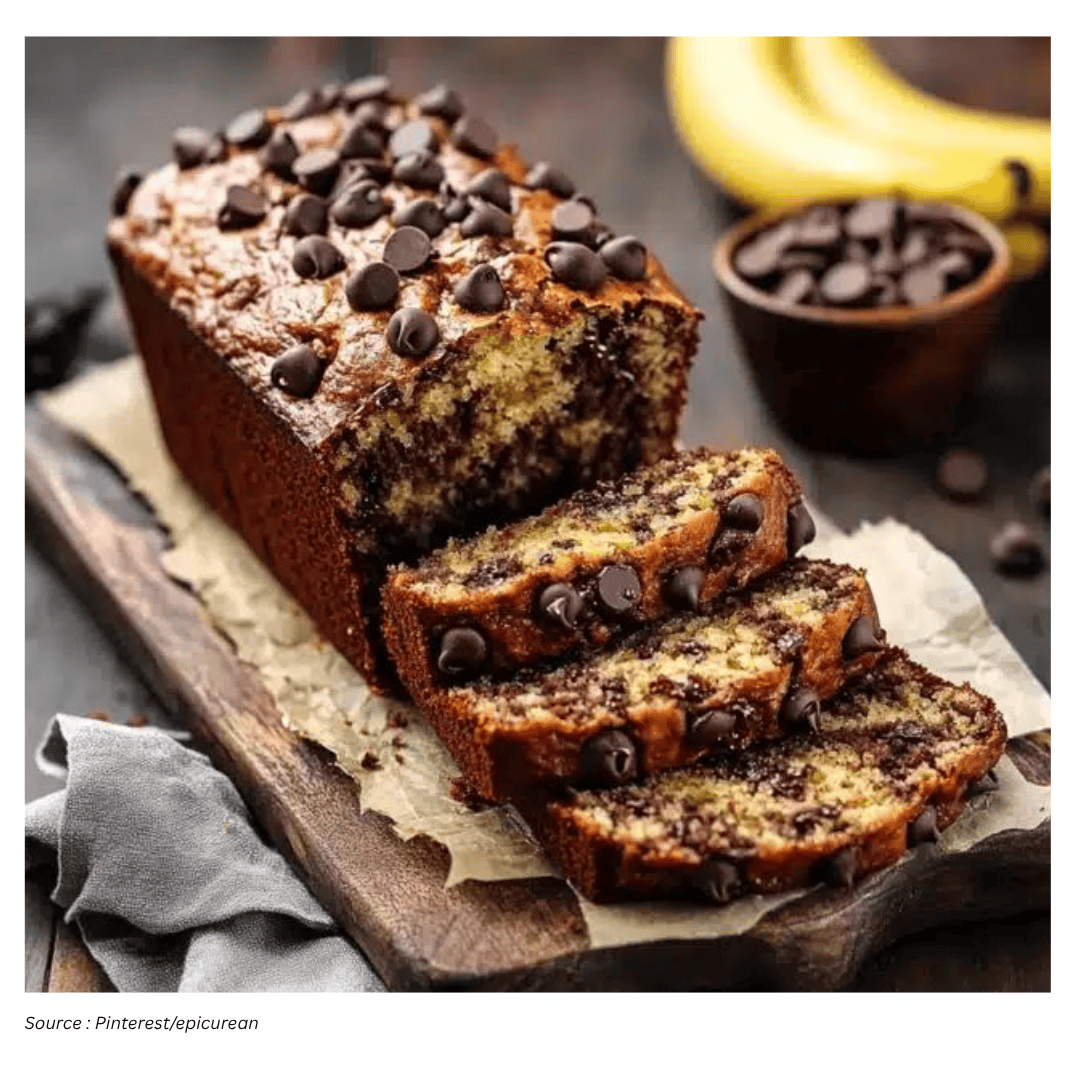
- Add chocolate: Stir in 1/2 cup of milk, semi-sweet, or dark chocolate chips along with the nuts at the end for a richer, more dessert-like loaf.
- Change the spice: Cinnamon can be used in place of nutmeg for a different warm-spice emphasis.
Why the loaf can taste better after a couple of days
Fresh banana bread is excellent once it’s cool enough to slice, but the flavor and texture can continue to improve with time. By around day 3, the loaf often becomes easier to slice cleanly. As it “ages,” the gluten structure and proteins relax, moisture from the bananas and sour cream redistributes, and the flavors have time to mature and meld together. If you’ve ever noticed banana bread tasting more balanced the next day, this is the same idea—just a bit further along.
Storage and freezing for best texture
Proper storage helps preserve moisture without making the loaf soggy. The key is to let the bread cool completely before wrapping it. Wrapping too soon can trap steam, leading to an overly damp surface and a gummy texture.
- Refrigerator storage: Once fully cool, wrap the loaf tightly in plastic wrap and refrigerate. Stored this way, it can stay fresh for up to a week.
- Freezing: The bread can be frozen for up to 4 months. For best protection, add an extra layer of plastic wrap or place the wrapped loaf in a zip-top bag.
- A useful note on texture: Even freezing for a single day can create a similar “aged” effect, helping the bread slice more neatly and feel more cohesive.
Creative ways to use leftover slices
This recipe makes a large loaf, which is great for sharing—but it also means you may end up with extra slices. Leftover banana bread is particularly versatile because it already has sweetness, moisture, and structure.
- Banana bread pudding: Toast cubes of banana bread, then toss them with a mixture of eggs, cream, and a bit more brown sugar. Bake until set and serve with a scoop of vanilla ice cream.
- Banana bread French toast: Soak slices and fry them like classic French toast. You can keep slices whole or cut them into wide strips to make French toast sticks for dipping in syrup.
- Savory-leaning toast: Top a toasted slice with soft cream cheese and a sprinkle of bacon crumbles for a sweet-salty contrast.
- Decadent sandwich: Make a banana bread and chocolate-hazelnut spread sandwich for an extra-rich treat.
Practical takeaways for consistent results
If you want the loaf to look and taste like something you’d proudly set in a bakery case, focus on a few repeatable habits: use truly overripe bananas for maximum sweetness and moisture; keep eggs and sour cream at room temperature so the batter blends smoothly; mix the flour in gently and stop as soon as it’s combined; and cool the loaf fully before wrapping or slicing. With those basics in place, the brown sugar, nutmeg, rum and vanilla extracts, and pecans do the rest—delivering a banana bread that feels classic, but more refined.