
How to make a russian dressing recipe
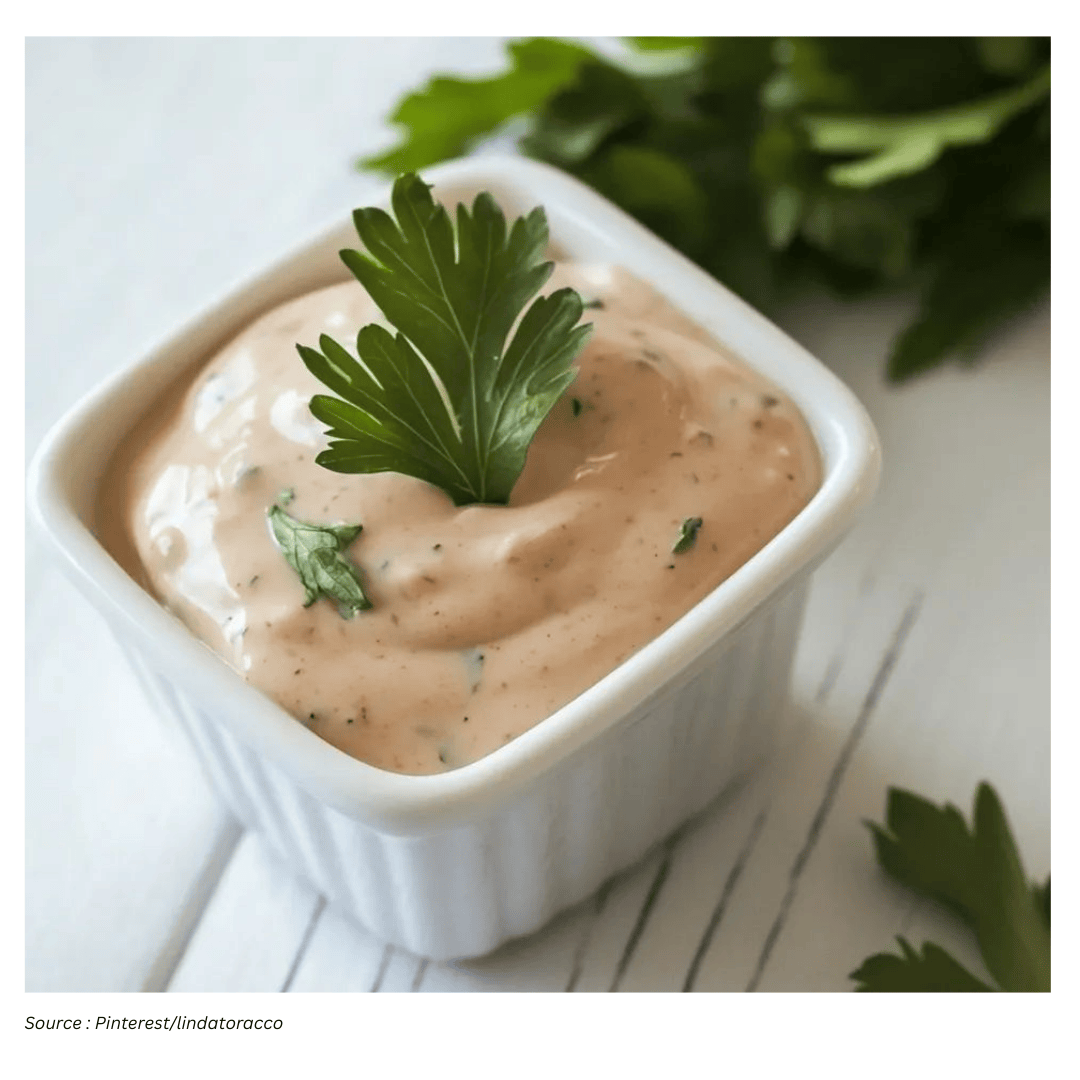
How to make a russian dressing
Russian dressing is one of those classic, mayo-based sauces that quietly earns a permanent place in the refrigerator once you start making it at home. It’s best known for its role on a Reuben sandwich, where it brings a creamy, savory punch that ties together the rest of the ingredients. But limiting it to sandwiches is a missed opportunity. This is the kind of versatile dressing that can show up across meals—on fries, pizza, fish, burgers, salads, and even grilled chicken—without feeling out of place.
The appeal is simple: it’s quick to make, it uses only a handful of ingredients, and it’s easy to keep on hand so you can “upgrade” everyday food with almost no extra effort. Once you learn the basic method, you can treat it as a dependable base recipe or a starting point for shaping the sauce into your own ideal version.
Why Russian dressing deserves a spot in your fridge
At its core, Russian dressing is a creamy sauce built on mayonnaise, which is one reason it plays so well with so many foods. Mayo-based sauces tend to cling nicely to ingredients, making them great as spreads, drizzles, and dips. Russian dressing is also known for being savory and crowd-pleasing, which explains why it transitions so easily from a sandwich spread to a finishing sauce for other dishes.
Home cooks who make it often point to two practical advantages: it’s easy, and it tastes better than many store-bought versions. One reviewer put it plainly: “Really good and easy to make dressing. Way better than the store brought one. Amazing with just a green salad, in a sandwich or with seafood. - staple to have on hand!” That “staple” idea is the key. When a sauce can work across salads, sandwiches, and seafood, it stops being a single-use condiment and becomes a weekly kitchen tool.
The basic method: mix, whisk, season
This dressing could not be easier to make. The process is essentially a one-bowl operation, which means minimal cleanup and a fast turnaround from ingredients to finished sauce.
Use a medium bowl. A medium bowl gives you enough space to whisk comfortably without splashing, and it makes it easier to incorporate everything evenly.
Mix all ingredients together. Combine the ingredients in the bowl and whisk until the mixture looks consistent and smooth.
Season with salt and pepper. Once everything is mixed, season to taste. This step matters because salt and pepper help the flavors read clearly, especially in a mayo-based sauce.
Scrape the bowl. Make sure you scrape the bottom and sides of the bowl so that all of the ingredients get incorporated. This small habit prevents pockets of unmixed ingredients and helps the dressing taste the same from the first spoonful to the last.
That’s it: mix, whisk, season, and scrape down the bowl. The technique is straightforward, but the result feels like something you can build meals around.
Ingredient notes: the optional horseradish factor
One ingredient that often comes up in Russian dressing is prepared horseradish, which may be listed as optional. If included, it’s typically used in small amounts—up to about 4 teaspoons of prepared horseradish—so it can add a sharper edge without overpowering the sauce. Because it’s optional, you can treat it as a dial: include it when you want more bite, or leave it out when you prefer a milder, more universally crowd-friendly spread.
Even if you keep the recipe simple, it’s useful to think of Russian dressing as flexible. The base is meant to be dependable, and then you can adjust it to match what you’re serving it with.
Beyond the Reuben: where this dressing really shines
Most people first meet Russian dressing on a Reuben sandwich, and for good reason: it’s a classic pairing. But a better way to think about the sauce is as a multipurpose condiment that can travel across cuisines and cooking styles. It can be a spread, a drizzle, a dip, or even a glaze depending on how you use it.
If you’re looking for inspiration, one easy approach is to start with “Reuben-inspired” dishes. The same flavors that work in the sandwich can work in other formats, and Russian dressing can be the through-line that makes them feel cohesive.
Reuben nachos for a shareable, snackable twist
Reuben squares when you want something sliceable and easy to serve
Reuben bowls for a more composed, fork-and-bowl approach
Reuben casserole for a comforting, bake-and-serve option
Reuben pickle bites for a bite-size, tangy snack
Reuben-stuffed chicken when you want a more substantial main dish
But the options don’t stop with Reuben variations. In fact, the dressing’s biggest strength is how naturally it fits into meals that have nothing to do with the original sandwich.
On a burger: Smear it on the bun as a creamy, savory spread.
Over fish tacos: Drizzle it on top to bring richness and balance.
As a glaze for grilled chicken: Use it to coat grilled chicken for a flavorful finish.
With seafood: Serve it alongside seafood dishes when you want something creamy and punchy.
On a green salad: Toss or drizzle it as a dressing that feels more substantial than a basic vinaigrette.
And yes—fries, pizza, and fish can all be part of the plan. If you’re someone who likes to dip fries into creamy sauces, Russian dressing is an easy fit. If you like a finishing drizzle on pizza, it can add a savory, tangy layer. And with fish, it can act as a rich counterpoint, especially when served as a topping or sauce on the side.
How to store it (and why storage matters)
One reason this dressing is so practical is that it keeps well. Once made, Russian dressing can be stored in an airtight container in the refrigerator for up to 2 weeks. That storage window turns it from a “make it for one meal” recipe into a prep-ahead staple.
To get the most out of that two-week lifespan, store it in a container that seals tightly and makes it easy to scoop or spoon out what you need. Because it’s a sauce you’ll likely use in different ways—spread one day, drizzle the next—it helps to keep it in a format that’s convenient for both.
Ways to use it throughout the week
If you want to make Russian dressing once and use it multiple times, it helps to think in terms of roles rather than recipes. The same dressing can act like several different condiments depending on what you pair it with.
Spread: Use it on sandwiches and burgers as a creamy layer that adds flavor immediately.
Drizzle: Spoon it over fish tacos or other dishes where a finishing sauce brings everything together.
Dip: Keep it on the table with fries or other snackable foods.
Glaze: Brush or spoon it onto grilled chicken for a savory coating.
This kind of versatility is why many cooks end up treating it as a “default” sauce—something to reach for when a meal needs a little extra richness and seasoning without starting from scratch.
A simple base you can adapt
Russian dressing is easy enough to follow as written, but it also works as a jumping-off point. Once you’ve made it a couple of times, you’ll get a feel for how you like it: whether you want it more mild or more assertive, whether you want to include the optional prepared horseradish, and how much salt and pepper makes it taste right to you.
The key is to keep the method consistent—mix thoroughly, whisk until smooth, season thoughtfully, and scrape the bowl—so the dressing stays cohesive. From there, it becomes less like a strict recipe and more like a reliable kitchen habit.
Final takeaway
Russian dressing may have a famous home on the Reuben, but it’s far more useful than a single sandwich. With a simple whisk-and-season method, it comes together quickly, tastes fresh, and can be stored in the refrigerator for up to two weeks. Whether you’re spreading it on burgers, drizzling it over fish tacos, glazing grilled chicken, dressing a green salad, or reaching for it as a dip for fries, it’s a practical, crowd-pleasing sauce that earns its keep.