
Cheesy French Onion Pot Roast: A Comforting Braise With Caramelized Onions, Garlic Croutons, and Gruyère
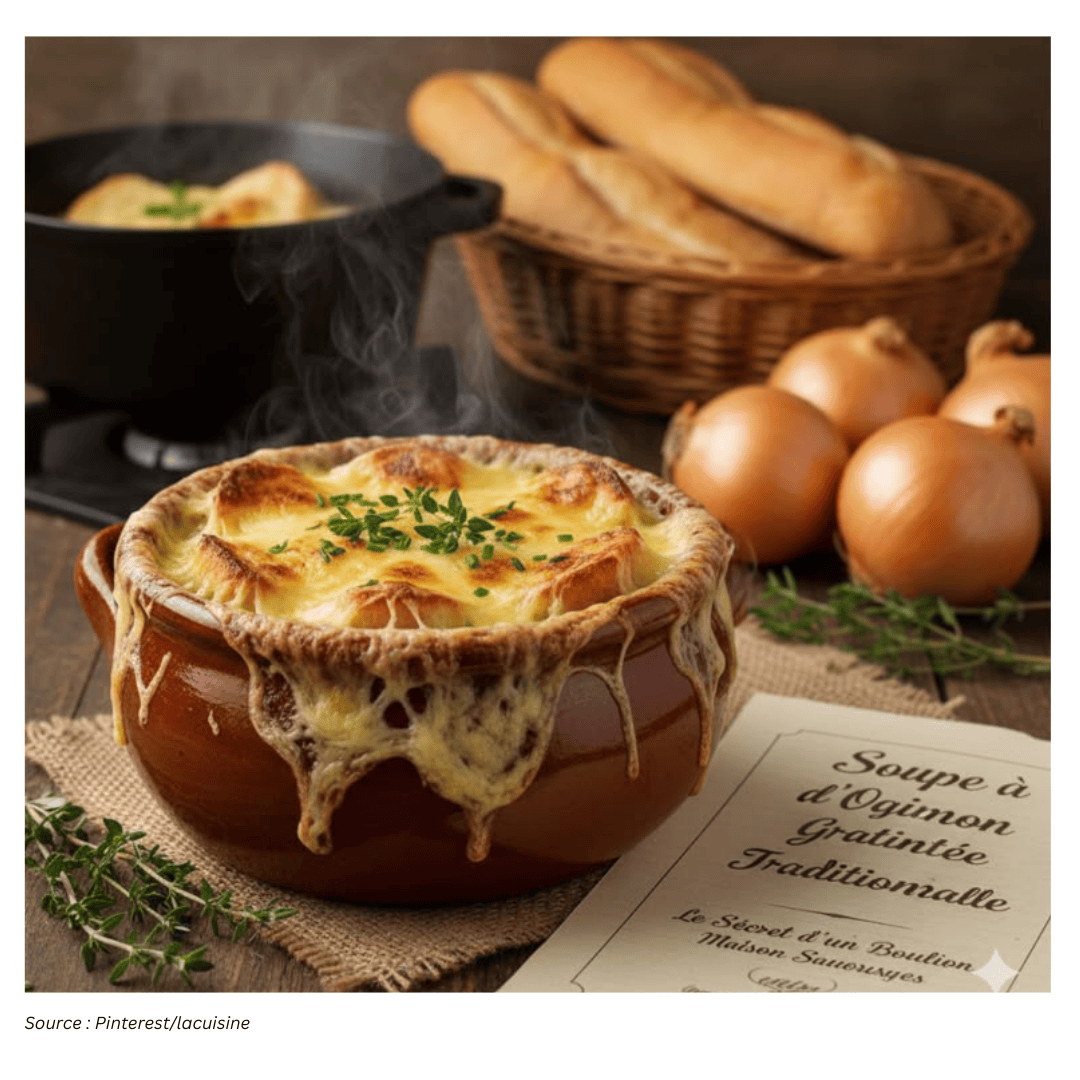
A French onion twist on classic pot roast
French onion soup has a reputation for being deceptively simple: a short ingredient list, but a long runway of time and attention required to coax onions into that deep, sweet-savory caramelization. Many home cooks love ordering it, yet hesitate to make it, partly because the process can feel mysterious. This pot roast takes the familiar comfort of a slow braise and layers in the signature elements people crave from French onion soup—deeply browned onions, a tangy deglaze, and the unmistakable finishing duo of toasted bread and broiled Gruyère.
The result is a dish that leans both homey and elegant. Long cooking builds a flavor profile that reads savory, buttery, nutty, and sweet at once. The beef becomes exceptionally tender, and the onions mellow as their sharpness gives way to natural sugars and a deep caramel color. It’s the kind of centerpiece that can suit a candlelit dinner just as easily as a relaxed Sunday gathering.
What makes this dish work
This recipe is built around a few core techniques: browning, caramelizing, deglazing, and braising. Each step is doing a specific job, and together they create the “French onion” effect without requiring a separate soup pot.
- Browning the beef creates a crust and adds depth to the braising liquid later.
- Caramelizing a large volume of onions concentrates sweetness and builds the dish’s backbone of flavor.
- Deglazing with dry white wine and balsamic vinegar lifts browned bits from the pot and adds tangy complexity.
- Slow oven braising in beef broth with thyme tenderizes the roast and rounds out the sauce.
- Toasted baguette croutons and broiled Gruyère deliver the classic French onion soup finish—crisp bread, melted cheese, and browned bubbles.
Ingredients overview (and why they matter)
At its heart, this is a straightforward pot roast with a French onion-inspired topping. The ingredient list is familiar, but the proportions and timing are key.
- Boneless beef chuck roast (3–4 pounds): A preferred choice for pot roast because it’s well-marbled, which helps the meat stay juicy during a long braise. Using boneless meat also makes shredding and serving tidier.
- Yellow onions (about 3 pounds): This may look like an intimidating pile, but onions cook down dramatically. The goal is deep golden-brown caramelization, which becomes the dish’s signature flavor.
- Unsalted butter and olive oil: Used for browning the roast and caramelizing the onions. The combination supports both flavor and heat management.
- Dry white wine: Used to deglaze the pot after caramelizing onions. A French selection can be used if you want to keep the theme consistent.
- Balsamic vinegar: Adds tang and helps balance the sweetness of long-cooked onions.
- Beef broth: The braising liquid that carries the onion flavor into the beef and creates a rich serving base.
- Fresh thyme sprigs: Infuses the braise with an herbal note as the roast cooks.
- Baguette slices: Toasted into croutons to mimic French onion soup’s bread cap.
- Fresh garlic and olive oil: Brushed onto baguette slices before baking for crisp, aromatic croutons.
- Shredded Gruyère: Broiled at the end to create a browned, bubbly top layer.
- Kosher salt and black pepper: Used throughout for seasoning.
Choosing the right cut: chuck vs. bottom round
Pot roast is less about picking a tender roast for slicing and more about selecting a cut that improves with long, moist heat. The technique—browning, then braising at a moderate temperature for several hours—gives tougher cuts time to relax. Connective tissue and well-exercised muscles gradually break down, turning the meat tender and succulent. Fat content matters too, because it supports both texture and flavor in the finished dish.
Boneless beef chuck is the go-to choice here because it comes from the shoulder region and typically has a high degree of marbling. That marbling helps the roast cook down into a fall-apart texture and contributes to a richer sauce.
Another option is bottom round (rump roast), which comes from the hind-quarters. Like chuck, it has connective tissue that benefits from braising, becoming soft and gelatinous with enough time. However, it generally has less marbling than chuck. If you prefer a less fatty sauce while still keeping rich flavor, bottom round can be appealing. It also tends to be better for slicing than pulling, though extended cooking can still get you to a shreddable result.
Step-by-step method (Dutch oven or braiser)
This process is designed for a large Dutch oven or braiser. The timeline is not complicated, but it does require patience—especially during onion caramelization and the long braise.
- Heat the pot: In a large Dutch oven or braiser, heat 2 tablespoons olive oil and 2 tablespoons butter over medium-high heat.
- Season the roast: Pat the roast dry. Season both sides with 1 teaspoon salt and 1/2 teaspoon pepper.
- Brown the meat: Place the roast in the hot pan and cook about 5 minutes per side to form a crust. Transfer the roast to a platter and set aside.
- Start the onions: Reduce heat to medium. Add 2 tablespoons olive oil and 2 tablespoons butter.
- Caramelize: Add the onions and the remaining 1 teaspoon salt. Cook about 30 minutes, stirring occasionally, until the onions are deep golden brown.
- Deglaze: Add the dry white wine and balsamic vinegar. Stir to lift any browned bits from the bottom of the pot. Cook until most of the liquid has evaporated.
- Braise: Return the roast to the pot. Add thyme sprigs, cover with a lid, and place in the oven. Braise about 3.5 hours, until the meat is very tender.
- Make croutons: Line a small baking tray with parchment paper and arrange baguette slices in an even layer. Mix remaining olive oil with minced garlic, brush onto baguette slices, and bake on the top rack about 15 minutes until golden and crisp. (This can be done while the roast cooks or after it comes out.)
- Shred the beef: When the roast is tender, remove the pot from the oven and shred the beef into chunks.
- Top and broil: Add the croutons and shredded Gruyère, then return the pot to the oven and broil until the cheese is browned and bubbly.
- Serve: Serve in shallow bowls with your favorite sides.
How the flavors come together
What distinguishes this pot roast from a standard version is the way the onions and finishing elements are treated as more than garnish. Three pounds of onions, cooked down slowly until deep golden brown, become the foundation of the sauce and the primary aromatic. Deglazing with wine and balsamic vinegar adds brightness and pulls concentrated flavor from the bottom of the pot, while beef broth provides the body needed for a braise.
As the roast cooks for several hours, it becomes fall-apart tender. The onions soften further, their initial bite fading into a rounded sweetness. Thyme quietly perfumes the background. Then, at the end, the dish leans fully into French onion soup territory: crisp baguette croutons and a broiled Gruyère layer that turns bubbly and browned.
Serving ideas and the “shallow bowl” approach
This dish is designed to be served in shallow bowls, which helps capture the meat, onions, and braising juices together—especially once the cheese has melted and the croutons have settled into the top. Because the topping is a key part of the experience, serving in bowls can also help keep each portion balanced: beef and onions underneath, bread and cheese on top.
Pair it with your favorite sides to complete the meal. The pot roast itself is rich and hearty, so sides that you already enjoy with braised beef can fit naturally alongside it.
Leftovers, food safety, and reheating
This recipe yields generous, hearty servings, and leftovers are part of its appeal. Cooling and storage matter, though, because a large pot of braised meat and onions can retain heat in the center.
- Cool completely before refrigerating: It’s important to let the entire dish cool so a warm center doesn’t encourage bacterial growth.
- Portion for storage: Consider dividing into individual portions in sealable containers. Portions can include croutons and cheese.
- Reheat options: Reheat in a microwave-safe dish until heated through, or warm in an oven-safe dish. If using the oven, you can finish with a brief broil to refresh the croutons and re-brown the cheese.
Making it ahead (up to five days)
If you want to plan ahead, this dish is well-suited to advance preparation. You can cook the roast fully, let it cool, and store the entire pot in the refrigerator for up to 5 days. When it’s time to serve, gently reheat the roast and onions in the oven. Prepare the croutons, layer them over the warmed meat, add the cheese, and finish with a broil for that classic browned, bubbly top.
Because the recipe is substantial, having sides ready can help turn reheated portions into a meal that still feels complete and intentional—especially when you take the time to refresh the croutons and cheese under the broiler.
Why this is a strong “special occasion or Sunday” main
Some comfort foods are casual by nature, while others feel like restaurant fare. This pot roast sits comfortably in both worlds. The method is classic and approachable—brown, braise, shred—but the finishing touches make it feel composed: garlic-brushed baguette croutons and a broiled Gruyère cap that echoes the most recognizable part of French onion soup.
Most importantly, it respects what people love about the original inspiration. The onions are given the time they need, the deglaze adds tang and depth, and the long braise turns a hardworking cut of beef into something tender enough to pull apart with ease. Served hot in shallow bowls, it delivers the layered, savory-sweet satisfaction you’d expect from French onion soup—now with the added comfort of a pot roast at the center.