Check Your Decaf: Coffee Pod Recalls Highlight Labeling Errors and Caffeine Sensitivity Risks
A recall that matters most to caffeine-sensitive coffee drinkers
Many people choose decaffeinated coffee for specific reasons: to avoid jitters, to manage sleep, or because they are sensitive to caffeine. That’s why a labeling error on “decaf” products can be more than an inconvenience. It can create a real health concern for the people who rely on accurate packaging to make everyday choices.
In a recent case involving single-serve coffee pods, Keurig users are being urged to check their cabinets after a voluntary recall was issued for a large quantity of decaf-labeled pods that may actually contain caffeine. The issue is not about contamination or a product that is unsafe to drink in general; rather, it is about the mismatch between what the package says and what may be inside.
Which product is involved in the Keurig Dr Pepper recall?
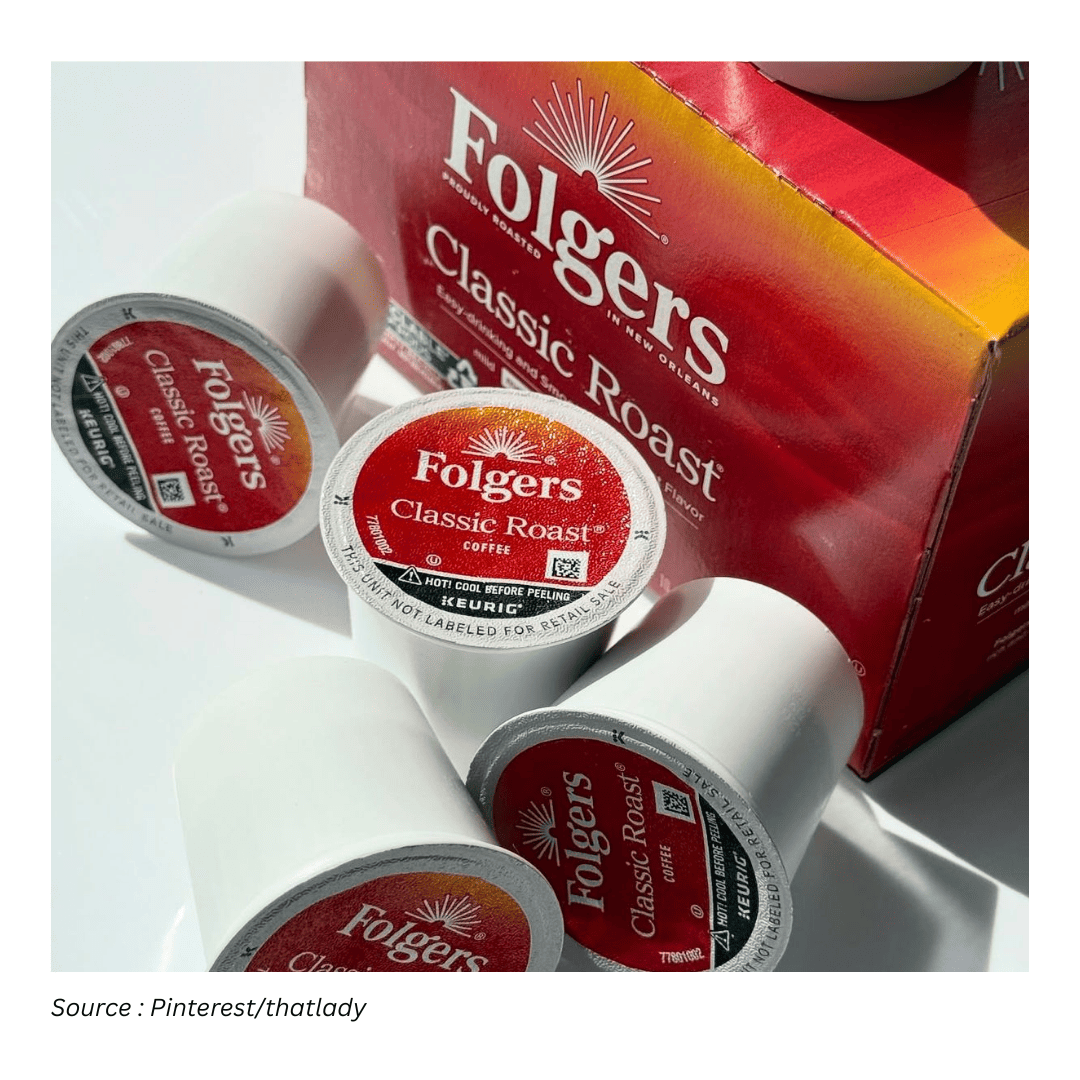
Keurig Dr Pepper initiated a voluntary recall of its McCafé Premium Roast Decaf Coffee K-Cup Pods due to a labeling error. Despite being listed as decaf, the pods may contain caffeine.
The recall is notable for its scale: more than 80,000 pods are affected. The company’s recall covers a limited number of 84-count boxes, and the affected product was sold exclusively through Amazon, according to a company spokesperson.
FDA classification: what “Class II” means in practical terms
The U.S. Food and Drug Administration (FDA) elevated the recall to a Class II risk classification. In general terms, that classification indicates that using or consuming the product may cause temporary or medically reversible adverse health consequences, or that the probability of serious adverse health consequences is remote.
In this situation, the potential risk is tied to unintended caffeine exposure. While the product is described as safe to drink, the concern is that people with caffeine sensitivity could experience side effects if they consume coffee they believed was decaffeinated.
How much caffeine is considered safe for most adults?
As part of its guidance, the FDA has advised that 400 milligrams per day of caffeine—about two to three 12-fluid-ounce cups of coffee—is a safe amount to consume for most adults without negative effects. That benchmark can help contextualize risk for many consumers, but it does not remove the importance of accurate labeling for those who intentionally avoid caffeine or who have heightened sensitivity.
Where the affected McCafé decaf pods were distributed
The recalled McCafé Premium Roast Decaf Coffee K-Cup Pods were distributed in three U.S. states:
- California
- Indiana
- Nevada
The distribution details matter because they narrow the scope for consumers who are trying to determine whether they might have purchased the affected product. However, because the product was sold exclusively through Amazon, some shoppers may still prefer to verify using the identifying codes and dates rather than relying solely on location.
How to identify the recalled Keurig Dr Pepper product
Consumers can identify the affected product using several markers printed on packaging. The recall covers 960 cartons, and each box contains 84 individual coffee pods. The key identifiers include:
- “Best-buy” date: November 17, 2026
- Batch number: 5101564894
- Material number: 5000358463
- ASIN: B07GCNDL91
If you have an 84-count box of McCafé Premium Roast Decaf Coffee K-Cup Pods, these details are the most direct way to confirm whether your purchase is part of the recall.
What consumers are advised to do
For customers who have the recalled pods, the recommended steps are straightforward. Consumers are encouraged to either discard the recalled pods or return them to their place of purchase in exchange for a refund or replacement.
At the time the issue was described, it was not known whether the company had received any complaints as a result of the labeling error. Even without reported complaints, the recall and the FDA’s classification are intended to prevent avoidable problems—especially for people who are sensitive to caffeine.
Company statement: notifications and removal from sale
In a statement, a spokesperson for Keurig Dr Pepper said the company cooperated with the FDA and initiated a voluntary recall in mid-December. The spokesperson added that the recall involved a limited number of 84-count boxes of McCafé Premium Roast Decaf coffee K-Cup pods and that these were sold exclusively through Amazon.
According to the statement, all consumers who purchased the product were notified directly in mid-December, and the product was removed from sale at that time. The spokesperson also emphasized a commitment to safety and quality standards in the products the company produces and distributes.
A similar decaf labeling recall: Gimme Coffee pods
The Keurig Dr Pepper recall is not the only recent example of decaf labeling errors in the single-serve coffee category. Another coffee pod product was also recalled due to a similar issue.
Gimme Coffee, Inc. announced in October that it was voluntarily recalling its Gimme! Decaf de Agua Coffee Pods after it was discovered that the pods contained caffeine. Like the McCafé case, this recall was later elevated to Class II.
How to identify the recalled Gimme! Decaf de Agua Coffee Pods
The recall for Gimme! Decaf de Agua Coffee Pods involves 252 affected boxes. The product can be identified using the following details:
- UPC: 051497457990
- Outer packaging best-by date: October 15, 2025
- Inner packaging best-by date: September 30
These identifiers are especially useful for consumers who may have discarded receipts or no longer have access to purchase confirmations.
Where the recalled Gimme pods were distributed
In the Gimme Coffee recall, boxes of 10 coffee pods were distributed to multiple states. The distribution list includes:
- Florida
- Iowa
- Massachusetts
- Maryland
- Missouri
- North Carolina
- New Jersey
- New York
- Ohio
- Wisconsin
As of October 24, the company had not received any complaints from customers regarding the mix-up, according to the information provided.
What to do if you have the recalled Gimme pods
Consumers who have the recalled Gimme! Decaf de Agua Coffee Pods are advised to either contact the company for a return or replacement, or return the coffee pods to the place of purchase.
Questions can be directed to Gimme! Coffee using the phone number (607) 273-0111 or the email address [email protected].
Why labeling accuracy is a practical safety issue
Both recalls point to the same underlying problem: when a product is labeled “decaf,” many consumers interpret that as a clear signal to avoid caffeine. For most coffee drinkers, an unexpected dose of caffeine may be a minor annoyance. For others—particularly those with caffeine sensitivity—the difference can be meaningful.
The FDA’s Class II designation underscores that the risk is not theoretical. It reflects the possibility of health effects, even if they are expected to be temporary or medically reversible. The recalls also show how quickly a labeling issue can become a consumer-protection matter once it is identified.
A quick checklist for consumers
If you regularly buy decaf coffee pods, especially in bulk, it may help to take a few minutes to verify what you have at home. Based on the recall details provided, here are simple steps consumers can take:
- Check whether you have McCafé Premium Roast Decaf Coffee K-Cup Pods in an 84-count box and look for the best-buy date (November 17, 2026) and batch number (5101564894).
- If you have Gimme! Decaf de Agua Coffee Pods, look for the UPC (051497457990) and confirm the best-by dates on both outer and inner packaging.
- If your product matches the recall identifiers, follow the guidance to discard it or return it for a refund or replacement.
- If you are caffeine-sensitive, consider being especially cautious with any decaf products involved in a labeling recall, since the core issue is unintended caffeine exposure.
Bottom line
The recalls involving McCafé Premium Roast Decaf Coffee K-Cup Pods and Gimme! Decaf de Agua Coffee Pods share a common theme: decaf labeling errors that may result in caffeine being present. The FDA’s Class II classification signals a health risk for some consumers, particularly those with caffeine sensitivity, even though the products are described as safe to drink for the general population.
For shoppers, the most important step is to identify whether the coffee pods in your home match the specific best-by dates, batch numbers, and codes listed in the recall notices—and then follow the recommended return, replacement, or disposal instructions.